Excerpt: This post answers the questions “Which is the largest barrage in Pakistan? Which is the biggest barrage in Pakistan? What is the name of largest barrage of Pakistan?”
In Pakistan, water management and irrigation play pivotal roles in supporting agriculture and sustaining livelihoods. The country’s intricate network of rivers and canals is regulated by various barrages, which are essential for controlling water flow and distribution. Among these, one barrage stands out as the largest and most significant, contributing immensely to Pakistan’s agricultural and economic landscape.
Which is the Largest Barrage in Pakistan?
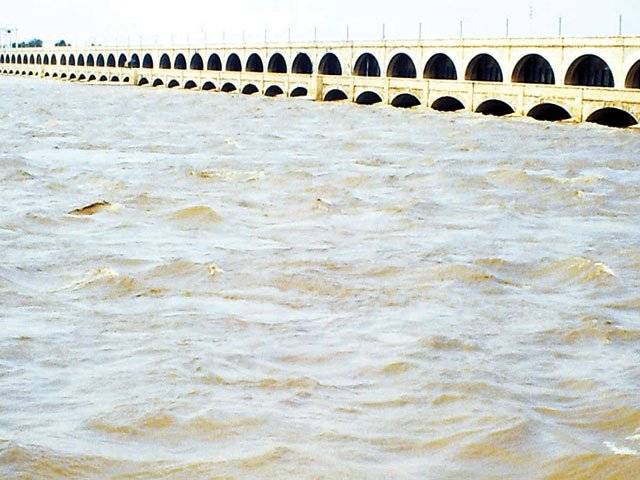
The biggest barrage in Pakistan is the Sukkur Barrage, also known as the Lloyd Barrage. Situated on the Indus River near the city of Sukkur in Sindh province, this colossal structure was constructed between 1923 and 1932 during British rule. The Sukkur Barrage is renowned as the largest irrigation system of its kind in the world, highlighting its critical role in supporting agriculture across a vast region.
What is a Barrage?
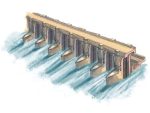
A barrage is an artificial barrier constructed across a river or estuary to control water flow. Unlike dams, which typically create large reservoirs for water storage, barrages are designed to regulate the water level upstream and channelize it for irrigation, navigation, and flood control. They consist of multiple gates that can be opened or closed to manage the flow of water, ensuring a steady and controlled supply to downstream areas.
The Sukkur Barrage – An Engineering Marvel
Historical Significance

The idea for the Sukkur Barrage, initially named Lloyd Barrage, was conceived in the late 19th century. However, it wasn’t until 1923 that the project received official approval, and construction commenced under the supervision of Sir Arnold Musto, the chief engineer. The project aimed to harness the waters of the Indus River to transform the arid lands of Sindh into fertile agricultural fields. Completed in 1932, the Sukkur Barrage was inaugurated by the then Viceroy of India, marking a monumental achievement in engineering and irrigation.
Architectural Features
The Sukkur Barrage spans approximately 1.6 kilometers (1 mile) and features 66 gates, each 18 meters (60 feet) wide. Its original design discharge capacity was 1.5 million cubic feet per second (cusecs). The barrage’s extensive network of canals, stretching over 6,473 miles (10,412 kilometers), provides vital irrigation to about 7.63 million acres of land, supporting millions of farming communities.
Impact on Agriculture and Economy
The Sukkur Barrage has been instrumental in transforming Sindh into one of the most agriculturally productive regions in Pakistan. By regulating the flow of the Indus River, the barrage ensures a reliable supply of water to agricultural fields, facilitating the cultivation of various crops such as wheat, rice, sugarcane, and cotton. This, in turn, supports the livelihoods of millions of people and contributes significantly to Pakistan’s economy.
The barrage has also played a crucial role in flood control, protecting downstream areas from seasonal flooding and ensuring the safety of inhabitants and their agricultural lands. Its importance to the region’s socio-economic development cannot be overstated, as it continues to provide water for irrigation, drinking, and industrial use.
The Sukkur Barrage stands as a testament to engineering ingenuity and the critical role of water management in transforming arid lands into fertile fields. Recognized as the largest barrage in Pakistan, its impact on agriculture, economy, and flood control has been profound and enduring. By providing a steady and controlled flow of water, the Sukkur Barrage supports millions of livelihoods and contributes to the overall prosperity of the region. As Pakistan continues to evolve and develop, the legacy of the Sukkur Barrage remains a cornerstone of its agricultural success and a symbol of the country’s commitment to harnessing the power of its natural resources.
Sources: To ensure the accuracy and authenticity of the information provided, the following sources were referenced:
- Sukkur Barrage – Sindh Irrigation Department
- Sukkur Barrage – Wikipedia
- Sukkur Barrage: The Backbone of Sindh’s Agriculture – Graana