
Excerpt: This post answers the questions “Which is the biggest dam in Pakistan? Which dam in Pakistan is the biggest of all? What is the name of biggest dam of Pakistan?”
Water resources play a critical role in Pakistan’s agriculture, energy production, and overall economic development. Managing these resources effectively is essential for the country’s progress and sustainability. Among various water management structures, dams hold significant importance for their role in irrigation, flood control, and electricity generation. There is one dam in Pakistan that stands out as the biggest and most vital for the country’s water management and power generation needs.
Which is the Biggest Dam in Pakistan?
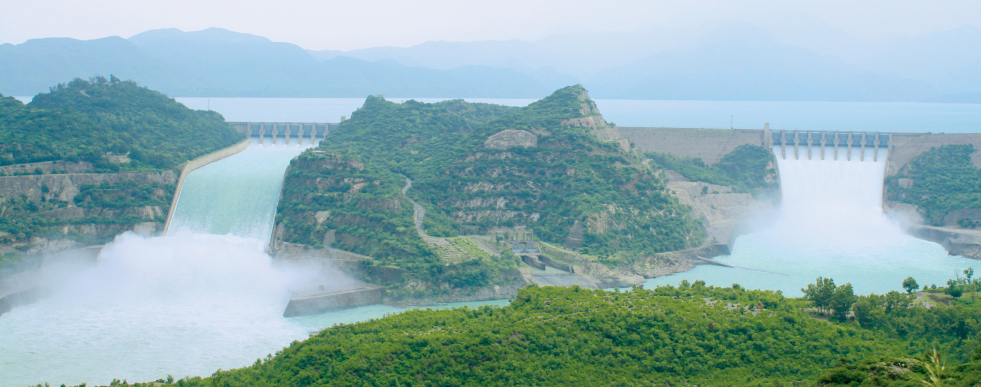
The biggest dam in Pakistan is the Tarbela Dam. Located on the Indus River in the Haripur District of Khyber Pakhtunkhwa, Tarbela Dam is one of the largest earth-filled dams in the world. It was constructed between 1968 and 1976 as part of the Indus Basin Project aimed at managing the water resources of the Indus River. The dam plays a crucial role in irrigation, flood control, and hydroelectric power generation in Pakistan.
It occupies an area of 37 Square Kilometers and has 142,000,000 cubic meters volume capacity. It stands 147 meters above the Indus riverbed.
What is a Dam?
A dam is a barrier constructed across a river or stream to obstruct or control the flow of water. Dams are built for a variety of purposes, including water storage, flood control, irrigation, and the generation of hydroelectric power. They typically create a reservoir or artificial lake, which stores water for future use. The controlled release of water from a dam ensures a steady supply for agricultural, industrial, and domestic needs.
The Tarbela Dam – An Engineering Marvel
Historical Significance
The construction of the Tarbela Dam was a monumental project aimed at addressing the chronic water shortages and flood problems in the region while also generating hydroelectric power. The design and construction were carried out by a consortium of international engineering firms, with financial assistance from the World Bank. The project officially started in 1968, and the dam was completed in 1976, marking a significant achievement in Pakistan’s engineering and infrastructure development.
Structural Features
Tarbela Dam is an earth-filled dam with a crest elevation of 472 meters (1,549 feet) above sea level. It spans approximately 2,743 meters (9,000 feet) in length and has a height of 143 meters (470 feet) above the riverbed. The dam’s reservoir, known as Tarbela Reservoir or Lake, extends over an area of about 250 square kilometers (97 square miles) with a storage capacity of approximately 11.62 billion cubic meters (9.36 million acre-feet).
The dam is equipped with five spillway tunnels and eight irrigation tunnels that help manage the flow of water for irrigation purposes. Additionally, the Tarbela Dam has a hydroelectric power station with multiple generating units, resulting in a total installed electricity generation capacity of 4,888 megawatts. This makes it a vital source of renewable energy for Pakistan.
Impact on Agriculture and Economy
The Tarbela Dam has had a tremendous impact on Pakistan’s agriculture and economy. Its vast reservoir provides a reliable source of water for irrigation, allowing millions of hectares of land to be cultivated. The availability of water from Tarbela Dam helps in the cultivation of various crops, including wheat, rice, cotton, and sugarcane, which are essential for the country’s food security and export earnings.
In addition to supporting agriculture, Tarbela Dam plays a critical role in flood control by regulating the flow of the Indus River, reducing the risk of devastating floods downstream. The hydroelectric power generated by the dam contributes significantly to Pakistan’s energy supply, providing clean and renewable energy to millions of households and industries.
The Tarbela Dam stands as a testament to Pakistan’s commitment to managing its water resources effectively and harnessing the power of nature for sustainable development. Recognized as the biggest dam in Pakistan, its impact on agriculture, flood control, and energy production is immense and enduring. By providing a steady supply of water and renewable energy, the Tarbela Dam supports millions of livelihoods and contributes to the overall prosperity of the region. As Pakistan continues to grow and develop, the legacy of the Tarbela Dam remains a cornerstone of its infrastructure success and a symbol of the country’s dedication to sustainable resource management.
Sources: To ensure the accuracy and authenticity of the information provided, the following sources were referenced:
- Tarbela Dam – Wikipedia
- Tarbela Dam: The Backbone of Pakistan’s Water Management – WAPDA
- World Bank’s Role in the Tarbela Dam Project – World Bank
- Hydroelectric Power Projects in Pakistan – National Transmission & Despatch Company
- NASA Earth Observatory – NASA