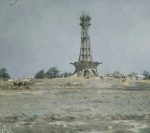
Excerpt: This post answer the questions “What was the old name of the place where Minar-e-Pakistan is located? What is the old name of Minar-e-Pakistan? What is the old name of the place where today is Minar-e-Pakistan? What is the ancient name of the location of Minar-e-Pakistan?”
Imagine a towering structure that stands tall, symbolizing the aspirations and dreams of a nation. A monument that has become an iconic landmark, representing the struggle for independence and the birth of a new country. This structure, with its architectural grandeur and historical significance, has witnessed countless moments of triumph and pride. As we delve into the history of this monumental edifice, we uncover its old name and explore the journey it has undergone to become a symbol of national pride.
What was the old name of the place where Minar-e-Pakistan is located?
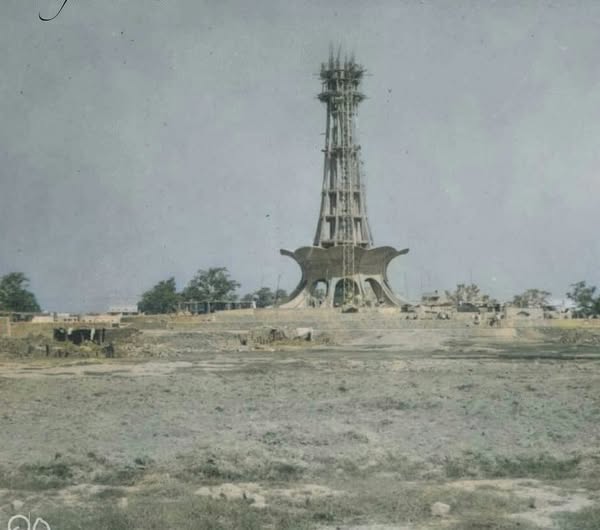
Minar-e-Pakistan, located in the heart of Lahore, Pakistan, is a national monument that commemorates the historic Lahore Resolution of 1940. Before it was known as Minar-e-Pakistan, the site where the monument now stands was simply referred to as Minto Park. Named after the British Viceroy of India, Lord Minto, the park was a prominent recreational area during the colonial period.
Minto Park played a significant role in the political history of the Indian subcontinent. It was here, on March 23, 1940, that the All-India Muslim League, led by Muhammad Ali Jinnah, passed the Lahore Resolution. This resolution called for the creation of an independent state for Muslims, which eventually led to the formation of Pakistan in 1947. To honor this historic event, the monument was constructed, and the site was renamed Minar-e-Pakistan, meaning “Tower of Pakistan.”
Minar-e-Pakistan: An Overview
Historical Significance
Minar-e-Pakistan is not just a physical structure; it is a symbol of the dreams and aspirations of the people of Pakistan. The monument was designed to commemorate the Lahore Resolution, which laid the foundation for the creation of Pakistan. The resolution, passed on March 23, 1940, was a pivotal moment in the struggle for independence, as it called for the establishment of a separate homeland for Muslims in the north-western and eastern zones of India.
The construction of Minar-e-Pakistan began in 1960, under the supervision of renowned architect Nasreddin Murat-Khan. The monument was completed in 1968 and stands as a testament to the enduring spirit of the Pakistani people. The design of Minar-e-Pakistan is a blend of Islamic and modern architecture, reflecting the rich cultural heritage and the progressive vision of the nation.
Architectural Marvel
Minar-e-Pakistan is an architectural masterpiece that stands at a height of 70 meters (230 feet). The monument is built on a raised platform, shaped like a five-pointed star, with four large platforms symbolizing different stages of the freedom movement. The base of the monument is made of rough Taxila stones, representing the initial struggle for independence. As the structure ascends, it transitions to smooth white marble, symbolizing the ultimate success and purity of the cause.
The tower is adorned with floral motifs, inscriptions of Quranic verses, and extracts from the Lahore Resolution. The design elements of the monument are a harmonious blend of Mughal, Islamic, and modern architectural styles. The use of white marble and the elegant minaret-like structure give Minar-e-Pakistan a majestic and timeless appearance.
Cultural and Social Hub
Minar-e-Pakistan is not only a historical landmark but also a cultural and social hub for the people of Lahore. The monument is situated in Iqbal Park, one of the largest urban parks in Pakistan. The park covers an area of over 125 acres and offers a serene and picturesque environment for visitors.
Iqbal Park is a popular destination for families, tourists, and students. The park features lush green lawns, beautifully landscaped gardens, and tranquil water fountains. It provides a perfect setting for picnics, leisurely strolls, and recreational activities. The park also hosts various cultural events, festivals, and public gatherings, making it a vibrant and lively space.
Symbol of National Identity
Minar-e-Pakistan holds a special place in the hearts of the Pakistani people. It is a symbol of national identity and pride, representing the struggle for independence and the birth of a sovereign nation. The monument serves as a reminder of the sacrifices made by countless individuals who fought for the creation of Pakistan.
Every year, on March 23, Pakistan Day is celebrated with great enthusiasm and patriotism at Minar-e-Pakistan. The day marks the anniversary of the Lahore Resolution and honors the vision and leadership of Muhammad Ali Jinnah and other prominent leaders of the independence movement. The monument is illuminated, and various events and ceremonies are held to commemorate the occasion.
In conclusion, Minar-e-Pakistan, with its rich history, architectural grandeur, and cultural significance, stands as a beacon of hope and inspiration for the people of Pakistan. From its origins as Minto Park to its transformation into an iconic national monument, Minar-e-Pakistan embodies the dreams and aspirations of a nation. The monument serves as a testament to the enduring spirit of the Pakistani people and their unwavering commitment to freedom and independence. As we continue to honor and preserve this symbol of national pride, we ensure that future generations can draw inspiration from its legacy and strive to build a brighter and more prosperous future for Pakistan.
Source: To ensure the accuracy and authenticity of the information provided, the following sources were referenced:
- Minar e Pakistan – Wikipedia