Excerpt: This post answers the questions “What is the old name of Khyber Pakhtunkhwa (KPK)? What is the ancient known name of Khyber Pakhtunkhwa? What is the first name of KPK?”
Imagine a region that boasts a rich tapestry of history, culture, and natural beauty. A land where ancient civilizations once thrived, leaving behind a legacy that continues to shape the identity of its people. This region, known for its scenic landscapes and vibrant traditions, has undergone several transformations over the centuries. As we explore the history of this area, we will uncover its old name and delve into its significance.
What is the Old Name of Khyber Pakhtunkhwa (KPK)?
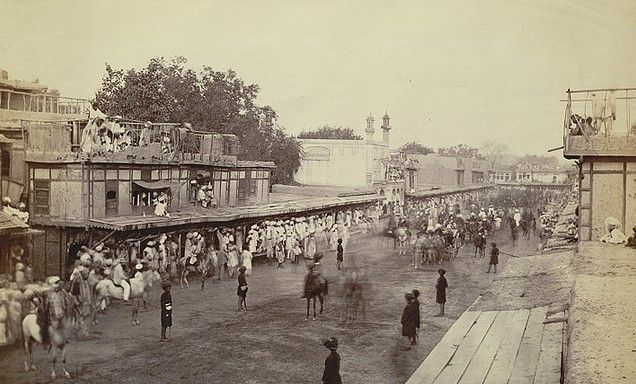
Khyber Pakhtunkhwa, commonly referred to as KPK, is one of the provinces of Pakistan. Before it was known by its current name, this region was called the North-West Frontier Province (NWFP). The name “North-West Frontier Province” was used during the British colonial rule in India, highlighting its geographical position on the northwestern frontier of British India. The area was also called Sarhad and Gandhara in different times.
The British established NWFP in 1901, recognizing the strategic importance of the region due to its proximity to the Khyber Pass, a crucial trade route and military corridor. The name remained in use until 2010 when the province was officially renamed Khyber Pakhtunkhwa to reflect the cultural identity and heritage of its people. The new name combines “Khyber,” referring to the famous Khyber Pass, and “Pakhtunkhwa,” meaning “Land of the Pashtuns,” the dominant ethnic group in the region.
Khyber Pakhtunkhwa: An Overview
Geographical Significance
Khyber Pakhtunkhwa is located in the northwestern part of Pakistan, sharing borders with Afghanistan, Azad Kashmir, Gilgit-Baltistan, Punjab, and Balochistan. The province is characterized by its diverse topography, ranging from towering mountain ranges to fertile plains and lush valleys. Key geographical features include the Hindu Kush mountains, Swat Valley, and the Khyber Pass, which has historically been a gateway for trade and invasions.
Historical Background
Khyber Pakhtunkhwa’s history is marked by the presence of various civilizations and empires. The region was part of the ancient Gandhara civilization, which was known for its Buddhist culture and contributions to art and architecture. Archaeological sites such as Takht-i-Bahi and Butkara Stupa provide glimpses into this rich heritage. Over the centuries, the area came under the control of several dynasties, including the Mauryas, Kushans, and Mughals.
During the British colonial period, the region’s strategic importance led to its designation as the North-West Frontier Province. The British built forts and established administrative control to secure their frontier against potential threats. The province played a significant role in the independence movement, with leaders like Abdul Ghaffar Khan advocating for non-violent resistance and the rights of the Pashtun people.
Cultural Diversity
Khyber Pakhtunkhwa is known for its rich cultural diversity, with a majority Pashtun population and significant communities of Hindko, Kohistani, and other ethnic groups. Pashtunwali, the traditional code of conduct of the Pashtuns, plays a central role in shaping the social and cultural fabric of the region. Hospitality, bravery, and loyalty are core values upheld by the people.
The province is also famous for its vibrant folk music, dances, and traditional crafts. The Pashto language, along with other regional languages, is widely spoken and contributes to the linguistic diversity of the area. Festivals such as Eid, Nowruz, and the Swat Summer Festival are celebrated with great enthusiasm, showcasing the region’s cultural richness.
Natural Beauty and Tourism
Khyber Pakhtunkhwa is a haven for nature lovers and adventure enthusiasts. The province’s stunning landscapes, including the Swat Valley, Kaghan Valley, and Chitral, attract tourists from around the world. These areas are known for their picturesque scenery, crystal-clear rivers, and majestic mountains. Adventure activities such as trekking, hiking, and skiing are popular among tourists.
The Kalash Valley, home to the indigenous Kalash people, offers a unique cultural experience with its distinct traditions and festivals. The province’s diverse flora and fauna, including rare species like the snow leopard and the Himalayan brown bear, add to its natural allure.
Economic Development
Khyber Pakhtunkhwa’s economy is primarily based on agriculture, forestry, and mining. The fertile plains of Peshawar and Mardan are known for producing a variety of crops, including wheat, sugarcane, and tobacco. The province is also rich in natural resources, with significant deposits of marble, limestone, and gemstones.
In recent years, the government has focused on improving infrastructure and promoting tourism to boost economic development. Initiatives such as the construction of the Swat Motorway and the development of tourist resorts aim to enhance connectivity and attract more visitors to the region.
In conclusion, Khyber Pakhtunkhwa, with its rich history, cultural diversity, and breathtaking landscapes, is a province that holds immense significance in Pakistan. From its days as the North-West Frontier Province to its current identity as Khyber Pakhtunkhwa, the region has evolved while preserving its unique heritage. As we continue to explore and appreciate this land, we honor the legacy of its people and ensure that future generations can experience its beauty and traditions. By promoting sustainable development and tourism, Khyber Pakhtunkhwa can continue to thrive and contribute to the nation’s prosperity.
Source: To ensure the accuracy and authenticity of the information provided, the following sources were referenced:
- About – Khyber Pakhtunkhwa Government Web Portal
- Khyber Pakhtunkhwa – Wikipedia