Excerpt: This post answers the questions “What is the old name of Gilgit-Baltistan? What is the first name of Gilgit-Baltistan? What is the ancient name of Gilgit-Baltistan?”
Nestled in the northernmost part of Pakistan, there is a region that stands as a testament to nature’s grandeur and cultural richness. This area is home to some of the most breathtaking landscapes on Earth, including towering mountains, lush valleys, and pristine rivers. It attracts adventurers, mountaineers, and nature lovers from around the world who come to explore its rugged beauty. The region is also steeped in history, having been influenced by various cultures and civilizations over the centuries. It is a place where the beauty of nature and the depth of human history come together in perfect harmony.
What is the Old Name of Gilgit-Baltistan?
The area now known as Gilgit-Baltistan was previously referred to as the “Federally Administered Northern Areas” (FANA). This name was used when the region was established as a separate administrative unit in 1970. FANA included the districts of Gilgit, Skardu, and several other smaller regions. The name emphasized the region’s location in the northernmost part of Pakistan and its status as a federally administered territory.
The Gilgit-Baltistan Empowerment and Self-Government Order of 2009 established a Gilgit parliament and gave the region self-rule. The region’s head of state is the governor, who is appointed by the President of Pakistan. The Chief Minister is the head of government and holds most of the executive powers.
The Gilgit-Baltistan
Historical Significance
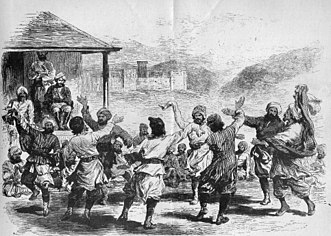
Gilgit-Baltistan has a rich and diverse history that dates back to ancient times. The region has been inhabited for thousands of years and has seen the rise and fall of various civilizations. Archaeological evidence suggests that Gilgit-Baltistan was part of the ancient Gandhara civilization, which flourished around 500 BCE. The region has also been influenced by the Achaemenian, Graeco-Bactrian, and Kushan empires, each leaving its mark on the cultural and historical landscape of Gilgit-Baltistan.
During the medieval period, the region came under the influence of the Tibetan Empire, and Buddhism flourished in the area. The Buddhist Patola Shahis ruled the region, and numerous Buddhist stupas and monasteries were established. By the 13th century, the region came under Islamic influence, notably under the Maqpon Kings. This period saw the conversion of the Balti people from Buddhism to Islam and increased interaction with their Kashmiri Muslim neighbors.
Modern Gilgit-Baltistan
Today, Gilgit-Baltistan is an administrative territory of Pakistan, consisting of three divisions and fourteen districts. The region is known for its stunning natural beauty, with towering mountains, lush green valleys, and crystal-clear rivers. Gilgit-Baltistan is a popular destination for tourists, mountaineers, and adventure enthusiasts from around the world.
Natural Beauty
Gilgit-Baltistan is home to some of the most breathtaking landscapes in the world. The region is dominated by the Karakoram and Himalayan mountain ranges, which include some of the highest peaks on the planet. Some of the notable peaks in the region include:
K2
K2, also known as Mount Godwin-Austen, is the second-highest peak in the world, standing at 8,611 meters (28,251 feet) above sea level. It is located in the Karakoram Range and is known for its challenging climbing routes. K2 attracts mountaineers from around the globe who seek to conquer its formidable slopes.
Nanga Parbat
Nanga Parbat, also known as the “Killer Mountain,” is the ninth-highest peak in the world, standing at 8,126 meters (26,660 feet) above sea level. It is located in the western Himalayas and is known for its steep and dramatic slopes. Nanga Parbat is a popular destination for climbers and trekkers.
Cultural Heritage
Gilgit-Baltistan has a rich cultural heritage that reflects the diverse influences of various civilizations and cultures. The region is home to several historical landmarks and archaeological sites that provide a glimpse into its rich past. Some of the notable cultural and historical sites in Gilgit-Baltistan include:
Baltit Fort
Baltit Fort is a historic fort located in the Hunza Valley. The fort dates back to the 8th century and has been a symbol of the region’s cultural heritage for centuries. The fort’s architecture reflects the influences of Tibetan, Kashmiri, and Central Asian styles. Baltit Fort has been restored and is now a popular tourist attraction.
Shigar Fort
Shigar Fort, also known as Fong-Khar, is another historic fort located in the Shigar Valley. The fort was built in the 17th century and served as the residence of the local rulers. The fort has been beautifully restored and converted into a heritage hotel, offering visitors a unique experience of staying in a historic setting.
Economy and Trade
The economy of Gilgit-Baltistan is primarily based on agriculture, tourism, and trade. The region’s fertile valleys and favorable climate make it suitable for the cultivation of various crops, including wheat, barley, and fruits such as apricots, apples, and cherries. The region is also known for its production of high-quality gemstones, including rubies, emeralds, and sapphires.
Tourism is a major contributor to the region’s economy, with thousands of visitors flocking to Gilgit-Baltistan each year to explore its natural beauty and cultural heritage. The region’s stunning landscapes, trekking routes, and historical sites make it a popular destination for adventure enthusiasts and nature lovers.
Education and Infrastructure
Gilgit-Baltistan is home to several educational institutions that provide quality education to the residents of the region. The city has a number of schools, colleges, and vocational training centers that cater to the educational needs of the community. Some of the notable educational institutions in Gilgit-Baltistan include:
Karakoram International University
Karakoram International University (KIU) is a prominent higher education institution in the region. The university offers a wide range of undergraduate and postgraduate programs in various fields, including science, engineering, and humanities. KIU is known for its academic excellence and research contributions.
Transportation and Connectivity
Gilgit-Baltistan is well-connected to other parts of Pakistan through a network of roads and highways. The Karakoram Highway, also known as the “Eighth Wonder of the World,” connects the region to the rest of the country and provides a vital link for trade and travel. The region is also served by several airports, including Gilgit Airport and Skardu Airport, which provide air connectivity to major cities in Pakistan.
In conclusion, Gilgit-Baltistan, formerly known as the Federally Administered Northern Areas (FANA), has a rich history and has undergone significant transformations over the years. The region’s diverse cultural heritage, stunning natural beauty, and strategic importance make it a unique and fascinating part of Pakistan. Gilgit-Baltistan continues to evolve, offering new opportunities and experiences while preserving its historical significance and cultural identity. As a prominent region in Pakistan, Gilgit-Baltistan remains a symbol of resilience, progress, and natural splendor.
Source: To ensure the accuracy and authenticity of the information provided, the following sources were referenced:
Gilgit Baltistan – Wikipedia