
Excerpt: This post answers the questions “What is the old name of Faisalabad? What is the original name of Faisalabad? What is the ancient name of Faisalabad?”
Located in the fertile plains of Punjab, there is a city that has played a pivotal role in the economic and cultural development of Pakistan. Known for its thriving textile industry and bustling markets, this city has transformed into a major urban center over the years. However, its journey to becoming a bustling metropolis is rooted in a name that signifies its colonial past. This historic name still resonates with the locals and reflects the rich history of the city.
What is the Old Name of Faisalabad?
The city we now recognize as Faisalabad was formerly known as Lyallpur. The name Lyallpur was given during the British colonial era in honor of Sir James Lyall, the then Lieutenant Governor of Punjab. This name was used for many years until the city was renamed Faisalabad in 1979, in honor of King Faisal of Saudi Arabia.
History of Faisalabad
Early Beginnings
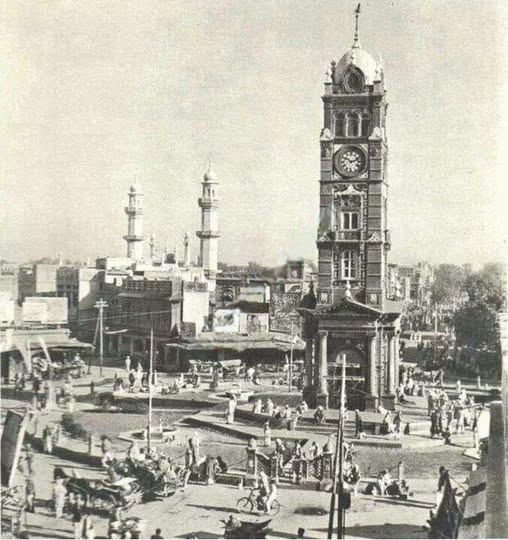
The area that is now Faisalabad was primarily a barren tract of land before the British colonial era. The fertile land, suitable for agriculture, was untapped and largely uninhabited. The British recognized the potential of this region for agricultural development and initiated the establishment of a planned city.
The British Colonial Era
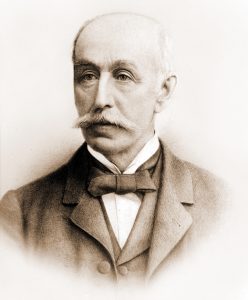
The city of Lyallpur was officially founded in 1892 by Sir James Lyall, the then Lieutenant Governor of Punjab. The British developed Lyallpur as a planned city with a systematic layout inspired by the Union Jack, the flag of the United Kingdom. The city was designed to serve as a major agricultural hub, facilitating the cultivation and trade of various crops, particularly wheat and cotton.
The establishment of the Lower Chenab Canal was a significant development during this period. The canal system transformed the barren land into fertile fields, attracting settlers from different parts of the region. The influx of settlers led to rapid growth in population and infrastructure development.
Post-Independence Era
After the partition of India in 1947, Lyallpur became part of Pakistan. The city continued to grow and develop, emerging as a major industrial and commercial center. In 1979, the government of Pakistan decided to rename Lyallpur to Faisalabad, in honor of King Faisal of Saudi Arabia, who was a strong supporter of Pakistan.
The Textile Industry Boom
Faisalabad is often referred to as the “Manchester of Pakistan” due to its significant contribution to the textile industry. The city became a hub for textile production, with numerous mills and factories established over the years. The textile industry played a crucial role in the economic development of Faisalabad, providing employment opportunities and boosting the local economy.
Modern-Day Faisalabad
Today, Faisalabad is a thriving metropolis with a blend of historical charm and modern amenities. The city is well-known for its textile industry, educational institutions, and cultural sites. Faisalabad hosts several annual events and festivals that attract visitors from around the region.
The city boasts modern infrastructure, including roads, parks, and commercial centers. The Faisalabad International Airport and the Faisalabad Dry Port further underscore the city’s importance as an economic hub.
Faisalabad, with its deep-rooted history and vibrant present, stands as a testament to the resilience and adaptability of its people. The journey from Lyallpur to Faisalabad reflects not only a change in name but also a narrative of growth, development, and a return to indigenous roots. As we stroll through its streets and observe its bustling life, we are reminded of the city’s dynamic past and the promise of its future.
Source: To ensure the accuracy and authenticity of the information provided, the following sources were referenced:
- History | Faisalabad – Punjab Government Web Portal
- Faisalabad – Wikipedia

