
Excerpt: This post answers the questions “What is the old name of Ayub Park? What was Ayub Park called before? What is the first name of Ayub Park?”
In the bustling city of Rawalpindi, there is a park that has become a beloved destination for families, tourists, and nature enthusiasts. This park offers a wide range of recreational activities, beautiful landscapes, and a serene environment. It is a place where people come to relax, enjoy nature, and spend quality time with their loved ones. The park has a rich history and has undergone significant transformations over the years, making it a prominent landmark in the city.
What is the Old Name of Ayub Park?
Ayub Park, which is now known for its lush greenery and recreational facilities, was originally called “Topi Rakh Park.” The name “Topi Rakh” is derived from the Potwari language, where “Topi” means “hat” and “Rakh” means “reserve” or “forest.” The park was established during the British colonial period and was a popular picnic spot for the residents of Rawalpindi and nearby areas. The name “Topi Rakh Park” reflects the park’s historical significance and its role as a natural reserve in the region.
In 1959, the park was renamed Ayub Park in honor of Field Marshal Ayub Khan, the former President of Pakistan. The renaming marked a new era for the park, as it underwent extensive development and became a national park. The transformation of Topi Rakh Park into Ayub Park was part of a broader effort to enhance the recreational facilities and green spaces in Rawalpindi.
The Ayub Park
Historical Significance
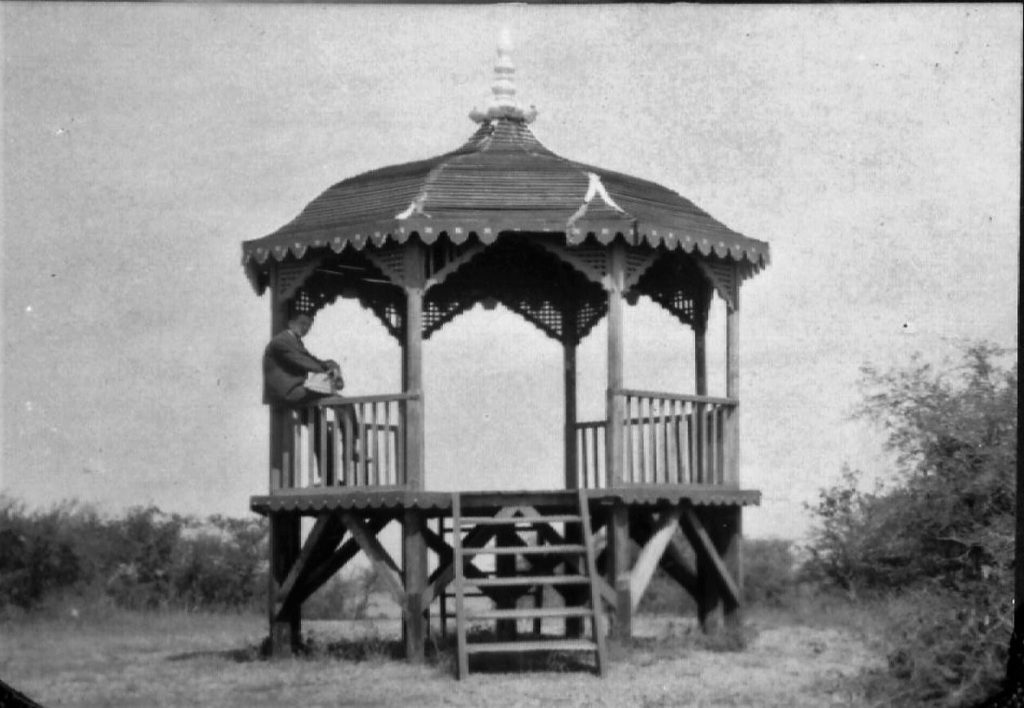
Ayub Park has a rich history that dates back to the British colonial period. Originally known as Topi Rakh Park, it was established as a natural reserve and a popular picnic spot. The park’s strategic location on the Grand Trunk Road made it easily accessible to the residents of Rawalpindi and nearby areas. Over the years, the park became a favorite destination for families and tourists, offering a peaceful retreat from the hustle and bustle of city life.
In 1959, the park was renamed Ayub Park in honor of Field Marshal Ayub Khan. This renaming marked the beginning of a new chapter in the park’s history, as it underwent significant development and transformation. The park was converted into a national park, and the Rawalpindi Cantonment Board was tasked with its administration. The park’s open-air theater, which was the only one in Rawalpindi at the time, became a hub for cultural and social gatherings.
Modern Ayub Park
Today, Ayub Park is one of the largest and most popular parks in Rawalpindi. Covering an area of approximately 313 acres, the park offers a wide range of recreational facilities and attractions. The park’s lush green lawns, beautiful gardens, and scenic lakes make it a perfect destination for nature lovers and outdoor enthusiasts.
Recreational Facilities
Ayub Park is known for its diverse range of recreational facilities that cater to people of all ages. Some of the key attractions and facilities in the park include:
Jungle World
Jungle World is an animal-themed amusement park and zoo located within Ayub Park. It features a variety of rides, animal exhibits, and interactive attractions that provide entertainment and education for visitors. The zoo is home to over 130 species of animals and more than 200 birds, making it a popular destination for families and children.
Army Museum
The Army Museum in Ayub Park is a must-visit attraction for history enthusiasts and patriots. The museum showcases the history and achievements of the Pakistan Army through a collection of maps, pictures, diagrams, weapons, and audio-visual presentations. Visitors can learn about the struggles and bravery of the Pakistan Army and gain a deeper understanding of the country’s military history.
Sports Facilities
Ayub Park offers a range of sports facilities, including a flood-lit cricket ground, practice nets, and an AstroTurf hockey ground. These facilities provide opportunities for sports enthusiasts to engage in their favorite activities and participate in tournaments and events. The park’s cricket ground has become a hub for night tournaments during Ramadan, attracting numerous clubs and players.
Picnic Spots and Jogging Tracks
The park’s well-maintained picnic spots and jogging tracks provide a perfect setting for outdoor activities and relaxation. Visitors can enjoy a leisurely walk, have a picnic with family and friends, or simply unwind in the serene environment. The park’s scenic beauty and peaceful ambiance make it an ideal place for social gatherings and recreational activities.
Environmental Initiatives
Ayub Park is committed to environmental sustainability and has implemented several initiatives to promote eco-friendly practices. The park has a waste recycling plant that helps manage waste and reduce its environmental impact. Additionally, the park’s lush green lawns and gardens are maintained using sustainable landscaping practices, ensuring the preservation of the natural environment.
Recent Developments
In recent years, Ayub Park has undergone extensive development to enhance its facilities and attractions. In 2021, a “Miracle Garden” was inaugurated in the park, featuring a stunning display of flowers and plants. The park also introduced a chairlift, providing visitors with a unique and scenic view of the park from above. These developments have further enhanced the park’s appeal and made it a top destination for tourists and residents alike.
In conclusion, Ayub Park, formerly known as Topi Rakh Park, has a rich history and has undergone significant transformations over the years. The park’s diverse range of recreational facilities, beautiful landscapes, and commitment to environmental sustainability make it a beloved destination for families, tourists, and nature enthusiasts. Ayub Park continues to evolve, offering new attractions and experiences while preserving its historical significance and natural beauty. As a prominent landmark in Rawalpindi, Ayub Park remains a symbol of the city’s commitment to providing green spaces and recreational opportunities for its residents and visitors.
Source: To ensure the accuracy and authenticity of the information provided, the following sources were referenced:
- Ayub Park – Punjab Government Web Portal
- Ayub Park – Wikipedia

