Excerpt: This post answers the questions “What is the ancient name of Swat? What is the old name of Swat? What is the other name of Swat?”
Nestled in the picturesque valleys of northern Pakistan lies a region of breathtaking beauty and historical significance. This area, known for its lush landscapes and rich cultural heritage, has been a center of human civilization for thousands of years. The region’s ancient history is as captivating as its natural beauty, with stories of ancient civilizations, religious significance, and cultural exchange. One of the intriguing aspects of this region is its ancient name, which reflects its historical and cultural importance.
What Is the Ancient Name of Swat?
The ancient name of Swat is Udyana, a Sanskrit word meaning “land of garden.” This name perfectly encapsulates the region’s lush and fertile landscapes, which have long been celebrated for their natural beauty and agricultural productivity. Swat was also known as Suvastu in ancient times, named after the Swat River, which flows through the valley. These ancient names reflect the region’s historical significance and its role as a center of culture and civilization.
The History of Swat
Ancient Period and Gandhara Civilization
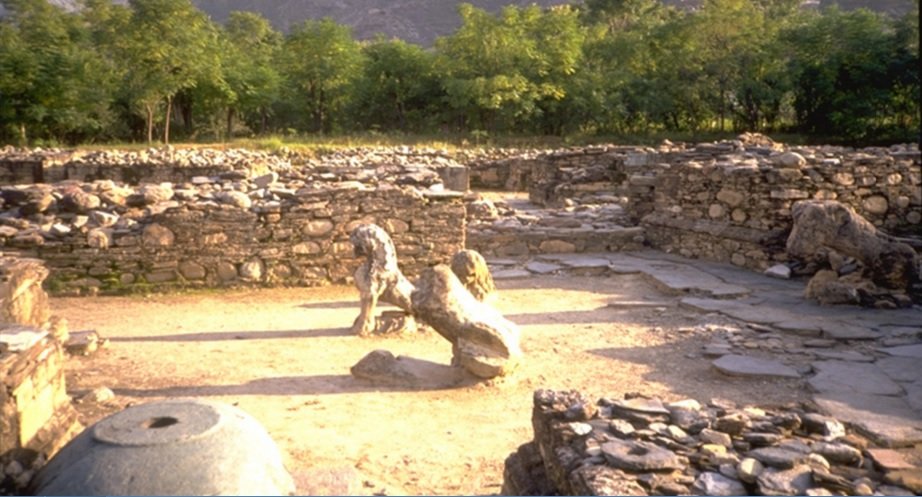
Swat’s history dates back to ancient times, with archaeological evidence indicating human habitation as far back as 2000 BCE. The region became a significant part of the Gandhara civilization, which flourished from around 1500 BCE to 500 CE. Gandhara was known for its advanced urban planning, art, and architecture. The region was a major center of Buddhist culture, with numerous monasteries, stupas, and universities. Swat played a crucial role in the spread of Buddhism, and several ancient Buddhist relics and structures have been discovered in the valley.
The Buddhist Era and Udyana
During the Buddhist era, Swat, known as Udyana, became a prominent center of Buddhist learning and culture. The valley was home to many monasteries and stupas, and it attracted scholars, monks, and pilgrims from across the region. One of the most significant archaeological sites in Swat is the Butkara Stupa, which dates back to the 2nd century BCE. The stupa is one of the largest and most well-preserved Buddhist structures in the region, providing valuable insights into the art and architecture of the Gandhara civilization.
The Arrival of Islam
In the 8th century CE, Swat saw the arrival of Islam, which gradually replaced Buddhism as the dominant religion. The region became part of various Islamic empires, including the Ghaznavid and Ghurid dynasties. The Islamic period saw the construction of new mosques, madrasas, and other religious structures, which contributed to the region’s architectural and cultural landscape. Swat’s strategic location made it an important center of trade and cultural exchange, connecting Central Asia with the Indian subcontinent.
The Yousafzai Period
In the 16th century, the Yousafzai tribe, an influential Pashtun tribe, settled in Swat and established their rule over the valley. The Yousafzai period marked a significant era in Swat’s history, characterized by the establishment of local governance and the construction of forts and other defensive structures. The Yousafzai rulers maintained their autonomy while navigating the complex political landscape of the time, forging alliances with neighboring tribes and empires.
The Modern Era and Malakand Division
Swat’s modern history began in the early 20th century when the British colonial administration established the Malakand Division, which included Swat. The region saw significant development during this period, with the construction of roads, schools, and hospitals. Swat retained a degree of autonomy under the leadership of the Wali of Swat, who played a crucial role in the region’s administration and development.
After Pakistan gained independence in 1947, Swat was incorporated into the newly formed country. In 1969, Swat was officially integrated into the province of Khyber Pakhtunkhwa, becoming a district within the province. The region continued to develop, with investments in infrastructure, education, and healthcare contributing to its growth.
What is the old name of Swat?
One of its old names is “Udeyan” or “Ujiana,” which means garden or park in Sanskrit. Another name it was known by is “Sawad,” which might have been derived from the dark soil of the area. The region has also been referred to as “Gandhara” during ancient times when it was a major center of Buddhism.
Swat’s rich history and cultural heritage make it a fascinating region to explore and study. From its ancient name, Udyana, to its role as a center of Buddhist culture and its journey through various periods of religious and political change, Swat has a story that spans millennia. Today, the valley is not only a testament to its historical significance but also a symbol of resilience and cultural continuity. As we look to the future, it is essential to preserve and celebrate the unique heritage of Swat, ensuring that its rich history continues to inspire and educate generations to come.
Source: To ensure the accuracy and authenticity of the information provided, the following sources were referenced:
- Swat District – Wikipedia
- Swat – KPCTA
- Swat State During 1849-1969 – NIHCR