Excerpt: This post answers the questions “How much Thar Desert is in Pakistan? What percentage of Thar Desert lies in Pakistan? How much are of Thar Desert lies in Pakistan?”
Imagine a vast expanse of golden sands that stretches endlessly under the blazing sun. This unique and diverse region is known for its rich culture, history, and natural beauty. Despite its harsh and arid conditions, this landscape supports a variety of flora and fauna and has been home to resilient communities for centuries.
How much Thar Desert is in Pakistan?
The Thar Desert, also known as the Great Indian Desert, extends across both India and Pakistan. The portion of the Thar Desert that lies within Pakistan is predominantly situated in the Sindh province and covers an area of approximately 30,000 square kilometers (about 11,583 square miles) which is equal to 15% of the total desert. This makes up a significant part of the overall Thar Desert, which spans a total area of around 200,000 square kilometers (about 77,000 square miles).
The Thar Desert in Pakistan
Location and Geography
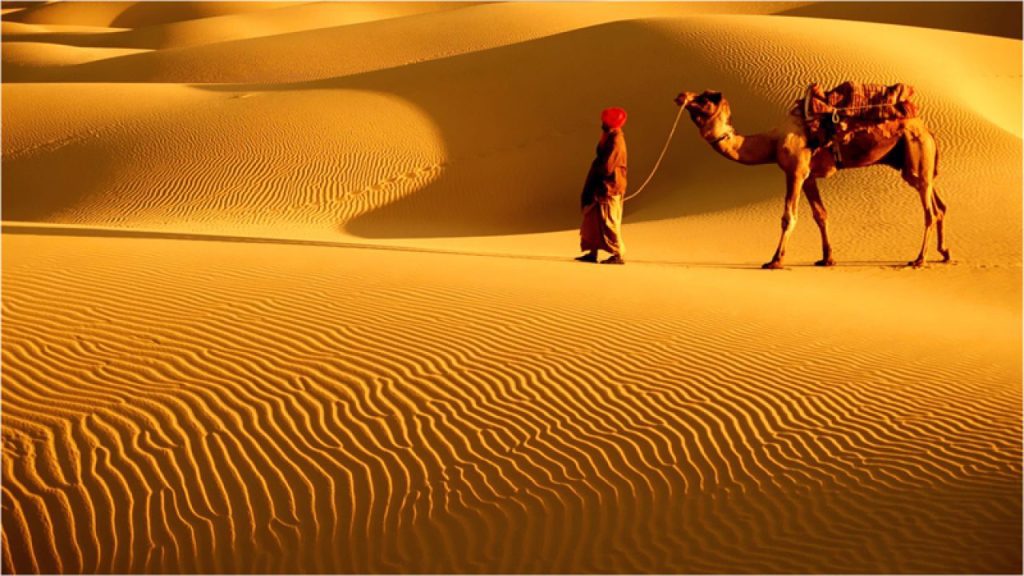
The Thar Desert in Pakistan is located primarily in the southeastern region of the Sindh province, extending into the eastern parts of the Punjab province. The desert is bordered by the Indus River to the west and the Aravalli Range to the northeast. The terrain of the Thar Desert is characterized by vast stretches of sand dunes, rocky outcrops, and salt flats. The landscape is dotted with thorny bushes, cacti, and the occasional oasis, providing a stark contrast to the otherwise barren environment.
Climate
The climate of the Thar Desert is predominantly arid, with extreme temperatures and very little rainfall throughout the year. Summers are scorching, with daytime temperatures often exceeding 45°C (113°F), while nights remain relatively cool. Winters, on the other hand, are mild during the day but can become quite chilly at night, with temperatures dropping to around 5°C (41°F). The region receives an annual average rainfall of about 100 to 500 mm (4 to 20 inches), which is highly variable and typically occurs during the monsoon season in the form of brief, intense downpours.
Flora and Fauna
Despite the harsh conditions, the Thar Desert in Pakistan supports a surprising variety of plant and animal life. The vegetation is primarily composed of hardy species that can withstand the arid environment, such as acacia, khejri, and ber trees. These plants play a crucial role in stabilizing the sand dunes and providing a source of food and shelter for the desert’s inhabitants.
The desert’s fauna is equally diverse, with several species of birds, mammals, and reptiles adapted to the extreme conditions. Notable inhabitants include the Indian gazelle (chinkara), desert fox, and various species of lizards and snakes. The Thar Desert is also a haven for birdwatchers, with species such as the great Indian bustard, sandgrouse, and peafowl being commonly spotted in the region. These animals have evolved various survival strategies to cope with the scarcity of water and extreme temperatures.
Human Settlement and Culture
The Thar Desert in Pakistan is not just a barren expanse of land; it is also home to a vibrant and resilient human population. The people living in and around the desert have developed a unique culture that reflects their close relationship with the land. Traditional agriculture is practiced in the more fertile areas, where crops such as millets, pulses, and mustard are grown. These agricultural practices are heavily dependent on the limited water sources available in the region, such as underground wells and seasonal streams.
Livestock rearing is another important aspect of life in the Thar Desert, with goats, sheep, and camels being the primary animals raised. The local culture is rich with traditions, music, and crafts that have been passed down through generations. The people of the Thar Desert are known for their hospitality and strong sense of community, making it a welcoming destination for travelers.
Tourism and Attractions
In recent years, the Thar Desert has become a popular tourist destination, attracting visitors with its unique landscape and rich cultural heritage. Travelers can explore the vast sand dunes, take in the panoramic views of the surrounding landscape, and experience the vibrant culture of the local communities. Camel safaris, jeep tours, and traditional folk performances are among the popular activities that offer an authentic desert experience.
The Thar Desert is also home to several historic and cultural landmarks. The ancient city of Umerkot, located in the Sindh province, is known for its historic fort and its association with Mughal emperor Akbar’s birth. The Marvi’s Well in Tharparkar is another notable site, linked to the legendary Sindhi folklore of Marvi. These sites offer a glimpse into the rich history and architectural heritage of the region, making the Thar Desert a fascinating destination for both history enthusiasts and adventure seekers.
In conclusion, the Thar Desert in Pakistan, covering an area of approximately 30,000 square kilometers, is a testament to the incredible diversity of our planet’s landscapes. Its unique combination of sandy plains, rocky outcrops, extreme climate, and resilient human settlements make it a fascinating destination for travelers and nature lovers alike. Whether you are drawn to its stunning scenery, rich cultural heritage, or historical significance, the Thar Desert offers an unforgettable experience that will leave you in awe of nature’s wonders.
Source: To ensure the accuracy and authenticity of the information provided, the following sources were referenced:
- Thar Desert – Wikipedia
- Thar Desert – Britannica