
Excerpt: This post answers the questions “How much electricity does Tarbela Dam generate? How much electricity does Tarbela Dam produce? What is the electricity generation capacity of Tarbela Dam? “
Hydropower is a significant source of renewable energy, and large dams play a crucial role in generating electricity. One of the most prominent hydropower facilities in Pakistan is a major dam located on the Indus River. This blog post will explore the electricity generation capacity of this dam and its importance in Pakistan’s energy landscape.
How Much Electricity Does Tarbela Dam Generate?
Tarbela Dam, one of the largest earth-filled dams in the world, generates 4,888 megawatts (MW) of electricity. This impressive capacity makes it a vital component of Pakistan’s power infrastructure, contributing significantly to the national grid.
The Tarbela Dam
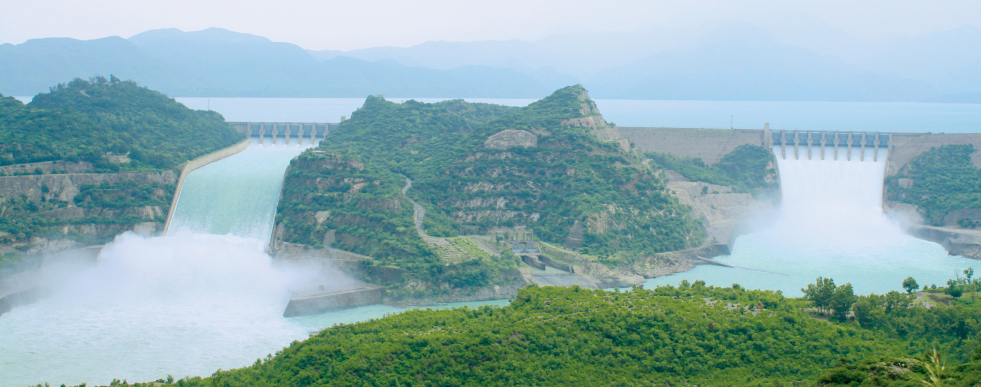
1. Overview of Tarbela Dam
Location and Structure: Tarbela Dam is situated on the Indus River in Khyber Pakhtunkhwa province, approximately 105 kilometers northwest of Islamabad. The dam is 143 meters high and stretches about 9,000 feet across the river. It features a reservoir, Tarbela Lake, with a surface area of approximately 250 square kilometers.
Construction and History: Construction of Tarbela Dam began in 1968 and was completed in 1976. It was designed to utilize water from the Indus River for irrigation, flood control, and hydroelectric power generation. The dam has been operational since 1977 and has undergone several upgrades and expansions over the years.
2. Electricity Generation Capacity
Current Capacity: Tarbela Dam currently has an installed capacity of 4,888 MW. This capacity is achieved through the operation of 10 turbines, each generating 175 MW, and additional turbines with higher capacities. The dam generates around 17,395 gigawatt-hours (GWh) of electricity annually.
Upcoming Expansion: The Tarbela 5th Extension Project is underway, which will further increase the dam’s electricity generation capacity. Once completed, the project will add 1,530 MW to the existing capacity, bringing the total to 6,418 MW. This expansion is expected to be completed by 2026.
3. Importance of Tarbela Dam
Energy Security: Tarbela Dam plays a crucial role in ensuring Pakistan’s energy security by providing a significant portion of the country’s electricity. The low-cost and environment-friendly hydel electricity generated by the dam helps reduce the reliance on fossil fuels and contributes to a cleaner energy mix.
Economic Impact: The electricity generated by Tarbela Dam supports various sectors of the economy, including agriculture, industry, and domestic consumption. The dam’s contribution to the national grid helps stabilize the power supply and reduces the frequency of load-shedding.
Environmental Benefits: Hydropower is a renewable energy source that produces minimal greenhouse gas emissions compared to fossil fuels. Tarbela Dam’s operation helps mitigate climate change by reducing the carbon footprint of Pakistan’s energy sector.
4. Challenges and Future Prospects
Maintenance and Upgrades: Maintaining a large dam like Tarbela requires continuous monitoring and periodic upgrades to ensure optimal performance. The ongoing Tarbela 5th Extension Project is a testament to the commitment to enhancing the dam’s capacity and efficiency.
Climate Change: Climate change poses challenges to hydropower generation, as changing precipitation patterns and glacial melt can affect water availability. Tarbela Dam’s management must adapt to these changes to maintain its electricity generation capacity.
Future Projects: In addition to the Tarbela 5th Extension Project, other hydropower projects are being planned and developed in Pakistan. These projects aim to further harness the country’s water resources for sustainable energy production.
In conclusion, Tarbela Dam is a cornerstone of Pakistan’s hydropower infrastructure, generating 4,888 MW of electricity and playing a vital role in the country’s energy security. With the upcoming Tarbela 5th Extension Project, the dam’s capacity will increase to 6,418 MW, further supporting Pakistan’s economic growth and environmental sustainability. The continued development and maintenance of Tarbela Dam are essential for meeting the country’s energy needs and contributing to a cleaner, greener future.
Source: To ensure the accuracy and authenticity of the information provided, the following sources were referenced:
- Tarbela Dam – Wikipedia
- Tarbela Dam’s Extension to start power generation in 2026 – Pakistan Observer
- Tarbela’s power generation capacity to jump to 6418 MW in 2025 – Pakistan Radio