
Excerpt: This post answers the questions “How many types of canals are there in Pakistan? What are the types of canals in Pakistan? Which types of canals are there in Pakistan?”
Water is the lifeblood of agriculture, and in a country like Pakistan, where agriculture forms the backbone of the economy, an efficient canal system is essential. Canals are artificial waterways designed to transport water from rivers and reservoirs to farmlands, ensuring that crops receive adequate hydration. In Pakistan, the canal system is extensive and plays a crucial role in sustaining the agricultural sector. This blog post explores the different types of canals in Pakistan and their significance.
How Many Types of Canals Are There in Pakistan?
In Pakistan, there are two main types of canals: Perennial Canals and Non-perennial Canals. Perennial Canals mostly feed the Desert Saline Water Area while Non-perennial Canals irrigate sweet water area. The Non-perennial Channels starts running from 15th April to 15th October of each year.
The Canal System of Pakistan
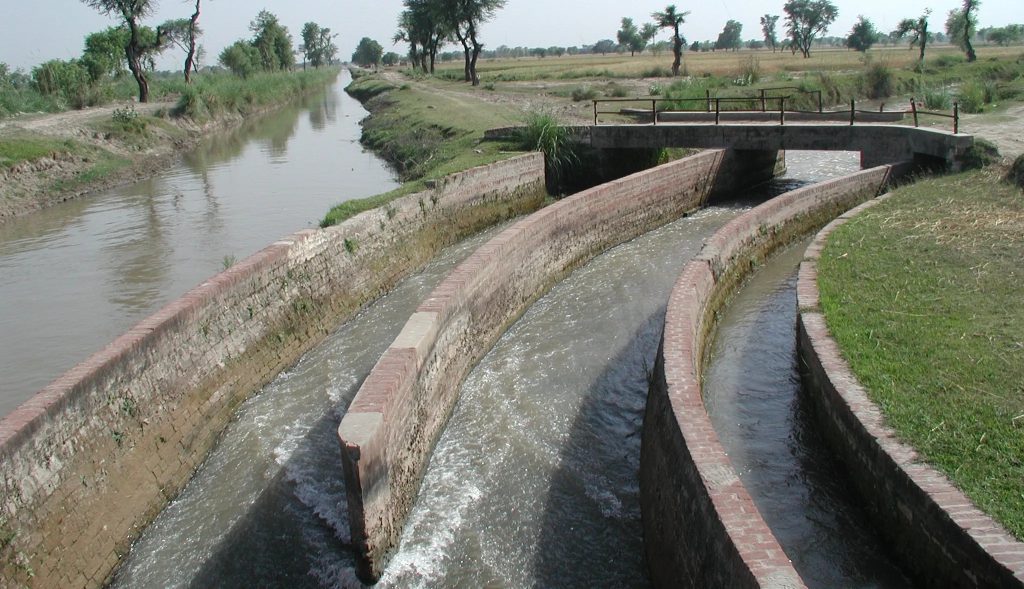
1. Perennial Canals
Definition and Function: Perennial canals are designed to provide water to farmlands throughout the year. These canals continuously supply water, ensuring that crops receive a steady and reliable source of hydration. They are especially important for regions that require irrigation during the dry seasons.
Examples:
- Upper Chenab Canal: Located in the Punjab region, the Upper Chenab Canal is a significant perennial canal that draws water from the Chenab River. It irrigates vast tracts of agricultural land, supporting the cultivation of crops such as wheat, sugarcane, and rice.
- Lower Bari Doab Canal: Another essential perennial canal in Punjab, the Lower Bari Doab Canal receives water from the Ravi River. It plays a crucial role in the irrigation of the fertile Bari Doab region.
Advantages:
- Consistent Water Supply: Perennial canals ensure a continuous water supply, which is vital for maintaining crop health and productivity.
- Year-round Irrigation: These canals allow farmers to cultivate crops throughout the year, reducing the risk of crop failure due to water scarcity.
- Support for Multiple Crops: The consistent water flow supports the cultivation of a variety of crops, including those that require frequent irrigation.
2. Non-perennial Canals
Definition and Function: Non-perennial canals, also known as seasonal or intermittent canals, provide water to farmlands only during certain periods of the year, usually during the monsoon season or when there is an excess flow of water in the rivers. These canals are not operational throughout the year and rely on seasonal variations in water availability.
Examples:
- Sidhnai Canal: The Sidhnai Canal, located in the Punjab region, is a non-perennial canal that operates primarily during the monsoon season. It draws water from the Ravi River and supports the irrigation of crops during the rainy season.
- Dadu Canal: In the Sindh region, the Dadu Canal is another example of a non-perennial canal. It receives water from the Indus River during the monsoon season and provides irrigation to the surrounding farmlands.
Advantages:
- Efficient Use of Seasonal Water: Non-perennial canals make efficient use of the excess water available during the monsoon season, preventing water wastage and flooding.
- Support for Rain-fed Agriculture: These canals complement rain-fed agriculture by providing additional water during the rainy season, enhancing crop yields.
- Reduced Maintenance Costs: Since non-perennial canals are operational only during certain periods, their maintenance costs are generally lower than those of perennial canals.
3. The Role of Canals in Pakistan’s Agriculture
Irrigation: The primary function of canals in Pakistan is to provide water for irrigation. The country’s agriculture heavily relies on canal irrigation, particularly in the Punjab and Sindh regions, where major canal systems support vast tracts of farmland.
Flood Control: Canals also play a significant role in flood control. By diverting excess water from rivers during the monsoon season, canals help prevent flooding in downstream areas, protecting both lives and property.
Hydroelectric Power Generation: While the primary purpose of canals is irrigation, some canal systems also contribute to hydroelectric power generation. By harnessing the flow of water, small hydroelectric plants located along canals can generate electricity, contributing to the country’s energy needs.
Support for Livestock: Canals provide a reliable source of water for livestock, ensuring that animals have access to clean water for drinking and other needs. This is particularly important in rural areas where livestock farming is a significant part of the economy.
In conclusion, the canal system in Pakistan is a vital component of the country’s agricultural infrastructure. With two main types of canals—perennial and non-perennial—these waterways ensure a steady and reliable supply of water for irrigation, flood control, and other purposes. The efficient management and maintenance of these canals are essential for sustaining Pakistan’s agricultural productivity and supporting the livelihoods of millions of people. As the country continues to face challenges related to water scarcity and climate change, the importance of a well-functioning canal system cannot be overstated.
Types of Canals in Pakistan
In Pakistan there are two types of Canals in Pakistan; Perennial and Non-perennial. Perennial Canals mostly feed the Desert Saline Water Area while Non-perennial Canals irrigate sweet water area. The Non-perennial Channels starts running from 15th April to 15th October of each year.
Source: To ensure the accuracy and authenticity of the information provided, the following sources were referenced:
- Introduction of Bahawalpur Irrigation Zone – Punjab Irrigation Department
- List of Canals in Pakistan – Wikipedia

