
Excerpt: This post answers the questions “How many rivers are there in Punjab Pakistan? What is the total number of rivers in Punjab Pakistan?”
Punjab, a province of Pakistan, is often referred to as the “land of five rivers.” This moniker itself hints at the presence of multiple significant rivers within its territory. The region has a rich history and culture deeply intertwined with its river systems. Agriculture, industry, and daily life in Punjab revolve around the abundance of water provided by these rivers. In this blog post, we will explore the rivers that flow through Punjab, Pakistan, and understand their significance.
How many rivers are there in Punjab Pakistan?
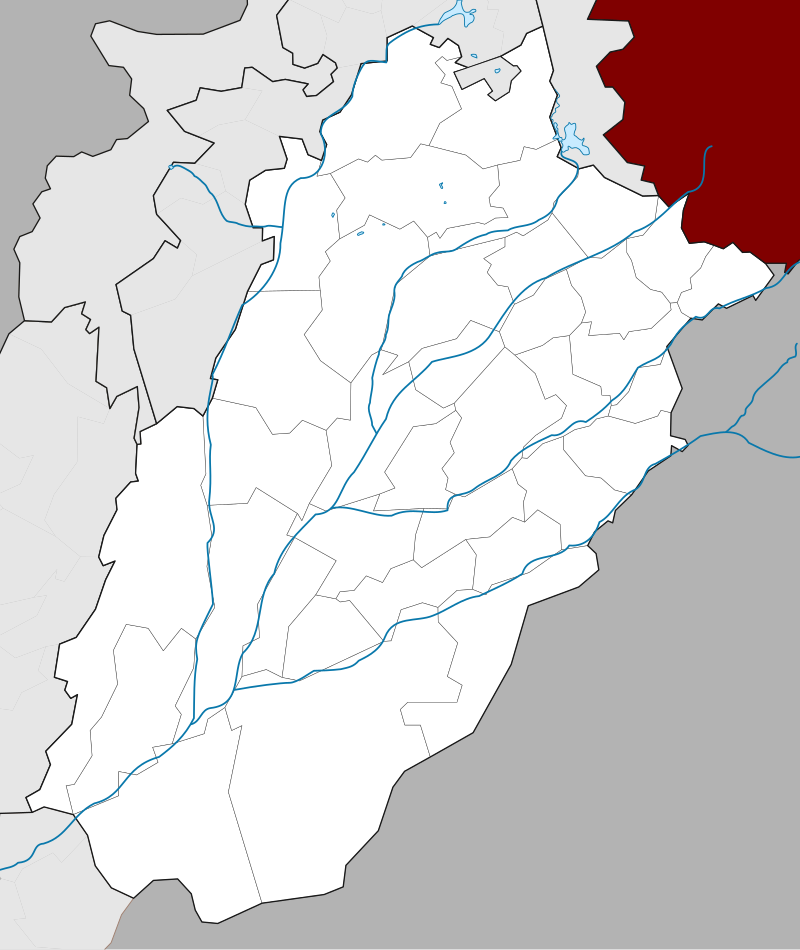
Punjab, which translates to “five waters,” is named after the five major rivers that flow through it. These rivers are Jhelum, Chenab, Ravi, Sutlej, and Beas. They are all tributaries of the Indus River, which plays a crucial role in Pakistan’s water system. Each of these rivers has its unique characteristics and history, contributing to the region’s identity.
Jhelum River
The Jhelum River is the westernmost river of the five and originates from the Indian-administered territory of Jammu and Kashmir. It flows through the city of Jhelum in Punjab, giving the city its name. The river is known for its historical significance, as it has been a part of many ancient civilizations. The Mangla Dam, one of the largest dams in Pakistan, is constructed on the Jhelum River, providing water for irrigation and hydroelectric power.
Chenab River
The Chenab River is one of the largest rivers in Punjab and originates from the Himalayan region in India. It flows through the heart of Punjab, providing water for agriculture and other purposes. The river passes through several cities, including Sialkot, Gujranwala, and Multan. The Chenab River is known for its role in the folklore of Punjab, particularly in the famous love story of Heer and Ranjha.
Ravi River
The Ravi River is another significant river in Punjab, originating from the Himalayas in India. It flows through the northeastern part of Punjab and passes through the city of Lahore, the provincial capital. The river has historical and cultural importance, as it has been mentioned in many ancient texts and scriptures. The Ravi River also serves as a natural border between India and Pakistan in some regions.
Sutlej River
The Sutlej River is the longest of the five rivers in Punjab and originates from the Tibetan Plateau. It flows through India before entering Pakistan, where it becomes an essential part of the Indus Basin. The river passes through several districts in Punjab, including Bahawalnagar, Bahawalpur, and Rahim Yar Khan. The Sutlej River is vital for irrigation, supporting the agricultural economy of the region.
Beas River
The Beas River is the smallest of the five rivers and originates from the Indian state of Himachal Pradesh. Although it does not flow through a large part of Pakistan, it joins the Sutlej River in the Indian state of Punjab before entering Pakistan. The confluence of the Beas and Sutlej rivers is an important point in the Indus River system, as it contributes to the overall water supply.
The five rivers of Punjab – Jhelum, Chenab, Ravi, Sutlej, and Beas – form the backbone of the province’s water system. They have shaped the region’s history, culture, and economy for centuries. The abundance of water provided by these rivers has made Punjab one of the most fertile and agriculturally productive areas in Pakistan. Understanding the significance of these rivers helps us appreciate the rich heritage and natural resources of Punjab, Pakistan.