Excerpt: This post answers the questions “How many deserts are there in Pakistan? What is the total number of deserts in Pakistan? Total how many deserts are located in Pakistan?”
Picture a landscape where golden sands stretch endlessly under a blazing sun, dotted with thorny bushes and the occasional oasis. This vast and arid region offers a unique glimpse into the diverse environments that our planet has to offer. With its rich history, natural beauty, and cultural significance, this place holds a special charm that draws travelers and explorers alike.
How many deserts are there in Pakistan?
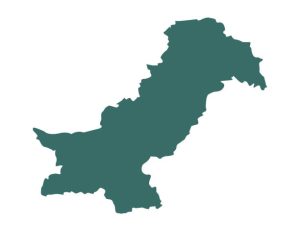
Pakistan is home to several deserts, each with its own unique characteristics and beauty. There are five main deserts in Pakistan:
- Thar Desert
- Cholistan Desert
- Kharan Desert
- Katpana Desert
- Thal Desert
Each of these deserts has its own distinct features and offers a different experience for those who venture into their arid expanses.
List of Deserts in Pakistan
Thar Desert
The Thar Desert, also known as the Great Indian Desert, is one of the largest deserts in the world, covering an area of approximately 200,000 square kilometers (about 77,000 square miles). It extends across northwestern India and southeastern Pakistan, predominantly occupying the Indian state of Rajasthan. The Thar Desert is characterized by its vast stretches of sand dunes, rocky outcrops, and salt flats. Despite its arid conditions, the Thar Desert is home to a surprising variety of plant and animal life. Hardy species such as acacia, khejri, and ber trees thrive in the arid environment, providing food and shelter for the desert’s inhabitants. The desert is also home to a diverse range of wildlife, including the Indian gazelle, desert fox, and various species of lizards and snakes.
Cholistan Desert
The Cholistan Desert, also known as the Rohi Desert, is located in the southeastern region of Pakistan’s Punjab province. Covering an area of approximately 16,000 square kilometers (about 6,200 square miles), the Cholistan Desert is an extension of the Thar Desert. The desert’s terrain is a mix of sandy plains, rocky outcrops, and large sand dunes. The Cholistan Desert is known for its rich history and cultural heritage, with numerous ancient forts and archaeological sites scattered throughout the region. The desert is home to a variety of flora and fauna, including species such as tamarisk, saltbush, and wild grasses. The desert’s wildlife includes animals such as the Indian wolf, desert cat, and various species of reptiles and birds.
Kharan Desert
The Kharan Desert is located in the Balochistan province of southwestern Pakistan, covering an area of approximately 20,000 square kilometers (about 7,722 square miles). The desert is characterized by its sandy and mountainous terrain, with large crescent-shaped dunes formed by wind-borne sand. The landscape is dotted with barren mountains and occasional clusters of date palms growing at their foothills. The climate of the Kharan Desert is predominantly dry and arid, with extreme temperatures throughout the year. Despite the harsh conditions, the desert supports a variety of plant and animal life, including hardy species such as tamarisk, saltbush, and various types of grasses. The desert is also home to several species of birds, mammals, and reptiles, including the Indian gazelle, desert fox, and various species of lizards and snakes.
Katpana Desert
The Katpana Desert, also known as the Cold Desert, is located near Skardu in the Gilgit-Baltistan region of Pakistan. Covering an area of approximately 9.4 square kilometers (about 3.6 square miles), the Katpana Desert is one of the highest deserts in the world, situated at an elevation of around 2,226 meters (7,303 feet) above sea level. The desert is characterized by its unique combination of golden sand dunes and snow-capped mountains, creating a stunning contrast. The climate of the Katpana Desert is cold, with temperatures dropping as low as -25 degrees Celsius (-13 degrees Fahrenheit) during the winter months. Despite the challenging conditions, the desert supports a variety of plant and animal life, including species such as tamarisk, saltbush, and wild thyme. The desert is also home to a diverse range of wildlife, including the elusive snow leopard, ibex, and Himalayan brown bear.
Thal Desert
The Thal Desert is located in the Punjab province of Pakistan, between the Indus River and the Jhelum River. Covering an area of approximately 10,000 square kilometers (about 3,861 square miles), the Thal Desert is characterized by its sandy plains and semi-arid conditions. The terrain is a mix of sand dunes, rocky outcrops, and patches of sparse vegetation. The climate of the Thal Desert is arid, with hot summers and mild winters. The region receives very little rainfall, making agriculture challenging. Despite the harsh conditions, the desert supports a variety of hardy plant species, such as acacia and tamarisk. The Thal Desert is also home to several species of wildlife, including birds, mammals, and reptiles.
In conclusion, Pakistan is home to five distinct and diverse deserts: the Thar Desert, the Cholistan Desert, the Kharan Desert, the Katpana Desert, and the Thal Desert. Each of these deserts has its own unique characteristics and beauty, offering a glimpse into the incredible diversity of our planet’s landscapes. From the vast stretches of sand dunes in the Thar Desert to the cold and snowy terrain of the Katpana Desert, these arid regions are a testament to the resilience of nature and the adaptability of life. Whether you are drawn to the stunning scenery, rich cultural heritage, or the unique flora and fauna, the deserts of Pakistan offer an unforgettable experience that will leave you in awe of nature’s wonders.
Source: To ensure the accuracy and authenticity of the information provided, the following sources were referenced:
- Deserts in Pakistan – Wikipedia