Excerpt: This post answers the questions “How many barrages are on Indus River in Pakistan? How many barrages the Indus River has in Pakistan? What is the number of barrages on Indus River?”
The Indus River is the lifeline of Pakistan, playing a crucial role in the country’s agriculture, economy, and daily life. Stretching over 3,180 kilometers, it traverses the country from the northern regions to the Arabian Sea in the south. The river is essential for irrigation, drinking water, and hydroelectric power generation. One of the ways Pakistan manages and utilizes the water of the Indus River is through the construction of barrages.
How Many Barrages Are on Indus River in Pakistan?
There are a total of nine barrages on the Indus River in Pakistan. As of 2024 data, eight out of the total nine barrages are functional, while the ninth barrage, which is the Sehwan Barrage, is under construction. Each of these barrages serves a critical purpose in water management and distribution. Let’s take a closer look at some of these key barrages and their significance.
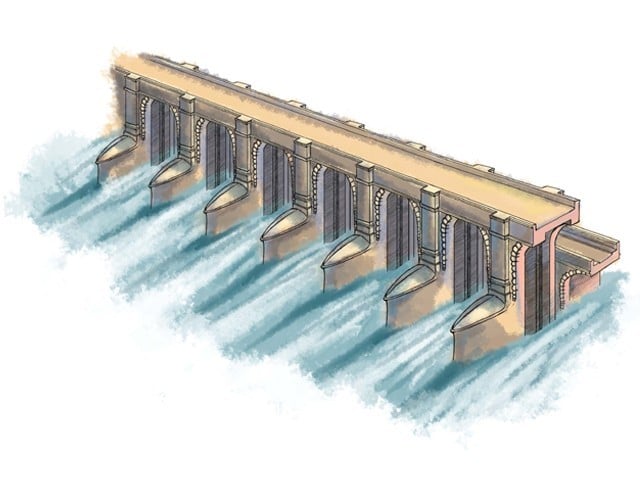
Jinnah Barrage
Jinnah Barrage is one of the major barrages on the Indus River, situated near Kalabagh in the Punjab province. Constructed in the early 20th century, this barrage is instrumental in diverting water for irrigation purposes. It supplies water to the Thal Canal, which irrigates a vast area of agricultural land.
Chashma Barrage
Located in the Mianwali district of Punjab, Chashma Barrage is another important structure on the Indus River. Completed in 1971, this barrage serves multiple purposes, including irrigation, flood control, and power generation. It also supports the Chashma Right Bank Canal, which provides water to agricultural lands in Khyber Pakhtunkhwa and Punjab.
Taunsa Barrage
Taunsa Barrage, situated near Kot Addu in the Punjab province, was constructed in the 1950s. This barrage plays a vital role in regulating the flow of water to the Dera Ghazi Khan Canal and the Muzaffargarh Canal. It ensures a steady supply of water for irrigation, contributing to the agricultural productivity of the region.
Guddu Barrage
Guddu Barrage is located in the Sindh province near the city of Kashmore. Completed in 1962, this barrage is essential for controlling the flow of water to the Guddu and Begari Sindh Feeder canals. These canals irrigate large areas of farmland in Sindh and Balochistan, supporting the livelihoods of thousands of farmers.
Sukkur Barrage
Sukkur Barrage, also known as the Lloyd Barrage, is one of the oldest and largest barrages on the Indus River. Constructed in the 1930s, it is located near the city of Sukkur in the Sindh province. This barrage plays a crucial role in diverting water to seven major canals, including the Nara Canal and Rohri Canal, which irrigate vast tracts of agricultural land in Sindh.
Kotri Barrage
Kotri Barrage, also known as the Ghulam Muhammad Barrage, is situated near the city of Hyderabad in Sindh. Completed in the 1950s, this barrage regulates the flow of water to the Pinyari and Fuleli canals. It is essential for irrigation, providing water to the fertile lands of lower Sindh.
Sehwan Barrage (Under Construction)
The Sehwan Barrage, currently under construction, will be the ninth barrage on the Indus River. Located in the Sindh province, this barrage aims to further enhance water management and distribution in the region. Once completed, it will support irrigation, flood control, and other vital functions.
Ghazi Barotha Barrage
The Ghazi Barotha Barrage is located on the Indus River near the town of Ghazi in Khyber Pakhtunkhwa. It is part of the Ghazi Barotha Hydropower Project, which is one of Pakistan’s significant hydroelectric power generation projects, providing essential electricity to the national grid.
Sindh Barrage
The Sindh Barrage is an ambitious water infrastructure project planned for the province of Sindh. Once completed, it will enhance water management, irrigation, and flood control in the region, significantly benefiting local agriculture and communities.
Importance of Barrages
The barrages on the Indus River are indispensable for Pakistan’s water management system. They help in:
- Irrigation: Diverting water to canals and irrigation systems, supporting agriculture and ensuring food security.
- Flood Control: Regulating water flow to prevent floods during the monsoon season, protecting lives and property.
- Hydroelectric Power: Some barrages are equipped with hydroelectric power stations, generating electricity to meet the country’s energy needs.
- Drinking Water Supply: Providing a steady supply of water for domestic use in various regions.
The Indus River’s network of barrages is a testament to Pakistan’s commitment to managing its precious water resources effectively. These nine barrages, including the under-construction Sehwan Barrage, play a crucial role in ensuring a steady supply of water for irrigation, preventing floods, and supporting the country’s agricultural and economic growth. Understanding the significance of these barrages highlights the importance of sustainable water management practices for the future.
Source: To ensure the accuracy and authenticity of the information provided, the following sources were referenced:
- List of barrages and headworks in Pakistan – Wikipedia