
Excerpt: This post answers the questions “How big is the Kharan Desert in terms of area? How much big is the Kharan Desert? What is the size of Kharan Desert?”
Imagine a vast expanse of land stretching as far as the eye can see, with an endless sea of sand dunes and rocky terrain. This place, with its unique landscape, history, and natural beauty, offers a glimpse into the diverse environments that our world has to offer.
How big is the Kharan Desert in terms of area?
The Kharan Desert, located in the Balochistan province of southwestern Pakistan, spans an impressive area of approximately 20,000 square kilometers (about 7,722 square miles). This immense desert is characterized by its vast stretches of sand, unique geographical features, and significant historical importance. Despite its size, the Kharan Desert is relatively unexplored and remains a hidden gem for those who seek adventure and tranquility.
The Kharan Desert
Location and Geography
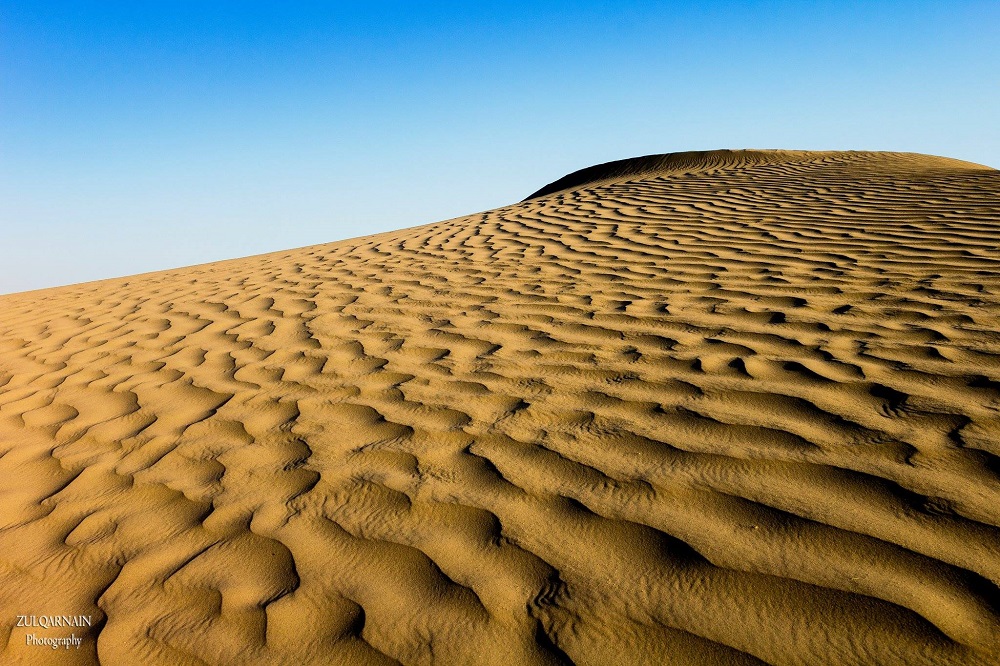
The Kharan Desert is situated in the Kharan District of Balochistan, Pakistan. It is bordered by the Ras Koh Range to the north and the Siahan Range to the south. The desert’s terrain is a mix of sandy plains, rocky outcrops, and large crescent-shaped dunes formed by the wind. The landscape is dotted with barren mountains and occasional clusters of date palms growing at their foothills, providing a striking contrast to the otherwise arid environment.
Climate
The climate of the Kharan Desert is predominantly dry and arid, with extreme temperatures throughout the year. Summers are scorching, with daytime temperatures reaching up to 42.5°C (108.5°F), while nights remain relatively cool. Winters, on the other hand, are cold and dry, with temperatures dropping to as low as 2.4°C (36.3°F). The region experiences very little rainfall, with an annual average of about 104 mm (4 inches). Dust storms are common, further adding to the harsh conditions of the desert.
Flora and Fauna
Despite the challenging environment, the Kharan Desert supports a variety of plant and animal life. The vegetation is sparse, with hardy species such as tamarisk, saltbush, and various types of grasses adapted to the dry conditions. These plants play a crucial role in stabilizing the sand dunes and providing a source of food for the desert’s inhabitants.
The desert is home to a diverse range of wildlife, including several species of birds, mammals, and reptiles. Notable inhabitants include the Indian gazelle, desert fox, and several species of lizards and snakes. Birds such as the desert wheatear, crested lark, and hoopoe can also be spotted in the region. These animals have adapted to the harsh conditions of the desert, finding food and water in the most unlikely places.
Human Settlement and Culture
The Kharan Desert is not just a barren landscape; it is also home to resilient communities that have adapted to the harsh environment. The local population practices traditional agriculture, growing crops such as barley, wheat, and vegetables in the fertile valleys. These agricultural practices are heavily dependent on the limited water sources available in the region, such as underground wells and seasonal streams.
Livestock rearing is another important aspect of life in the Kharan Desert, with goats, sheep, and camels being the primary animals raised. The local culture is rich with traditions, music, and crafts that have been passed down through generations. The people of the Kharan Desert are known for their hospitality and strong sense of community, making it a welcoming destination for travelers.
Tourism and Attractions
In recent years, the Kharan Desert has gained popularity as a tourist destination. Its unique landscape and serene environment attract travelers from all over the world. Visitors can explore the vast sand dunes, take in the panoramic views of the surrounding mountains, and experience the rich cultural heritage of the local communities. The nearby town of Kharan serves as a gateway to various trekking and mountaineering expeditions in the surrounding mountain ranges, making it a popular destination for adventure enthusiasts.
The Kharan Desert also holds historical significance, as it was the site of Pakistan’s first successful nuclear tests in 1998. This event marked a significant milestone in the country’s history and added to the desert’s intrigue and allure.
What is the total area of Kharan Desert?
The Kharan Desert, located in the southwestern province of Balochistan, Pakistan, covers an area of approximately 20,000 square kilometers (7,700 square miles). This desert is known for its rocky terrain, high plateaus, and limited vegetation.
In conclusion, the Kharan Desert, with its vast area of 20,000 square kilometers, is a testament to the incredible diversity of our planet’s landscapes. Its unique combination of sandy plains, rocky outcrops, extreme climate, and resilient human settlements make it a fascinating destination for travelers and nature lovers alike. Whether you are drawn to its stunning scenery, rich cultural heritage, or historical significance, the Kharan Desert offers an unforgettable experience that will leave you in awe of nature’s wonders.
Source: To ensure the accuracy and authenticity of the information provided, the following sources were referenced:
- List of Famous Deserts of Pakistan – Graana
- List of deserts of Pakistan – Wikipedia

