Excerpt: This post answers the questions “Who were the first women members of parliament in Pakistan? Who was the first female Member of Parliament in Pakistan? What was the name of first female member of parliament in Pakistan?”
The history of Pakistan’s political landscape is marked by the contributions of many remarkable individuals. Among these, the role of women in politics has been particularly significant. Despite the challenges and societal norms, women have made their mark in various capacities, including as members of parliament. Two such trailblazers were the first female Members of Parliament in Pakistan, whose journeys and achievements continue to inspire many.
Who Were the First Female Members of Parliament in Pakistan?
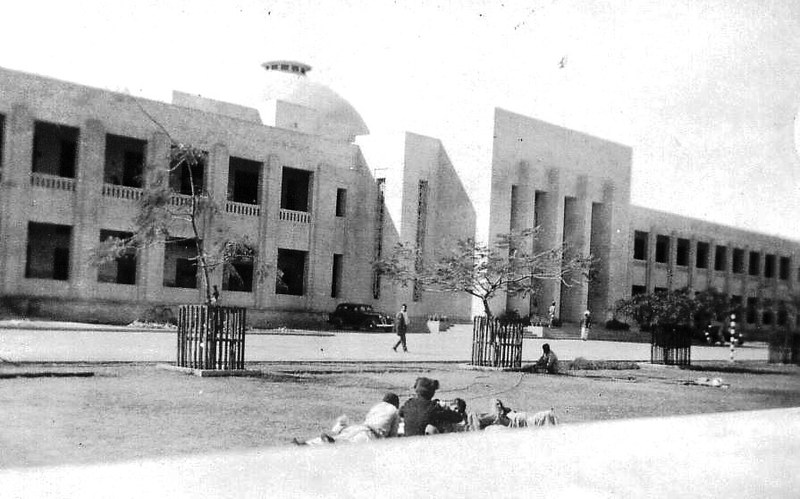
The first female Members of Parliament in Pakistan were Begum Shaista Suhrawardy Ikramullah and Begum Jahanara Shahnawaz. Their election to the Constituent Assembly of Pakistan in 1947 marked a significant milestone in the country’s political history. Their entry into the parliament was not just a personal achievement but also a symbol of the progress and empowerment of women in Pakistan.
They served the assembly from 1947 to 1954 while the Second Constituent Assembly which had 72 members had no women members.
Who was Begum Shaista Suhrawardy Ikramullah?
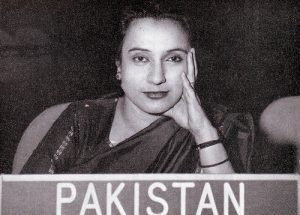
Begum Shaista Suhrawardy Ikramullah was born on July 22, 1915, in Kolkata, India. She belonged to a prominent family with a strong tradition of public service. Her father, Sir Hassan Suhrawardy, was a well-known figure in the political and social circles of British India. Shaista Suhrawardy received her early education in Kolkata and later pursued higher studies at the University of London, where she earned a Ph.D. in International Relations.
Her political career began in the 1940s when she became actively involved in the All India Muslim League, the party that played a crucial role in the creation of Pakistan. She was a close associate of Muhammad Ali Jinnah, the founder of Pakistan, and worked tirelessly for the cause of the Muslim community in India. Her dedication and leadership qualities earned her a place in the Constituent Assembly of Pakistan, where she played a vital role in shaping the country’s constitution and policies.
Who was Begum Jahanara Shahnawaz?
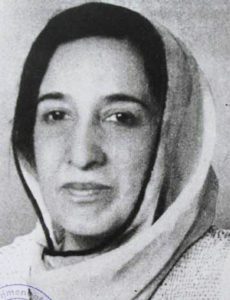
Begum Jahanara Shahnawaz was born on April 7, 1896, in Lahore, Pakistan. She was the daughter of Sir Muhammad Shafi, a prominent politician and leader of the All India Muslim League. Jahanara Shahnawaz was educated at Queen Mary College in Lahore and was actively involved in social and political activities from a young age.
She was a strong advocate for women’s rights and played a significant role in the Pakistan Movement. Jahanara Shahnawaz was elected to the Constituent Assembly of Pakistan in 1947, where she worked alongside other leaders to draft the country’s constitution. Her contributions to the parliament included advocating for women’s education, health, and social welfare.
The Pakistan’s Parliament: History, Structure and Women
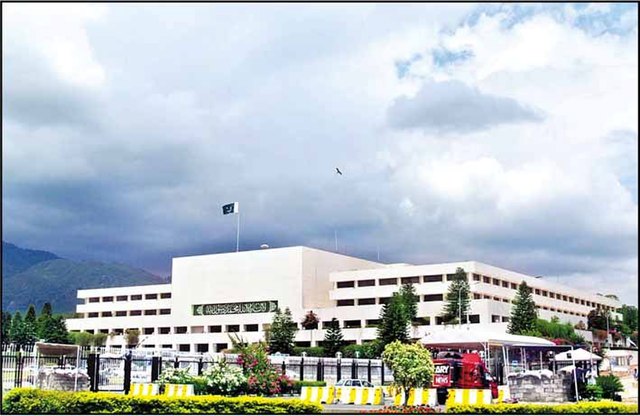
The Structure of Pakistan’s Parliament: Pakistan’s parliament, also known as the Majlis-e-Shura, is a bicameral legislature consisting of two houses: the National Assembly and the Senate. The National Assembly is the lower house, while the Senate is the upper house. Members of the National Assembly are elected through direct elections, while members of the Senate are elected by the provincial assemblies.
Role and Functions: The primary function of the parliament is to legislate, debate, and pass laws that govern the country. It also plays a crucial role in overseeing the executive branch of the government, ensuring accountability and transparency. The parliament is responsible for approving the national budget, discussing important national issues, and representing the interests of the people.
Women’s Representation: Over the years, the representation of women in Pakistan’s parliament has increased significantly. Various constitutional amendments and legislative measures have been introduced to ensure women’s participation in the political process. Reserved seats for women in both the National Assembly and the Senate have been established to promote gender equality and empower women in politics.
Contributions of Begum Shaista Suhrawardy Ikramullah and Begum Jahanara Shahnawaz: As the first female Members of Parliament, Begum Shaista Suhrawardy Ikramullah and Begum Jahanara Shahnawaz’s contributions were immense. They were vocal advocates for women’s rights and worked towards the upliftment of women in Pakistan. Their efforts in the parliament included advocating for education, health, and social welfare policies that benefited women and children. Their legacy continues to inspire women in Pakistan to participate in politics and contribute to the nation’s development.
The election of Begum Shaista Suhrawardy Ikramullah and Begum Jahanara Shahnawaz as the first female Members of Parliament in Pakistan was a groundbreaking achievement that paved the way for future generations of women leaders. Their dedication, leadership, and vision have left an indelible mark on Pakistan’s political history. As Pakistan continues to progress, the contributions of trailblazers like Begum Shaista Suhrawardy Ikramullah and Begum Jahanara Shahnawaz serve as a reminder of the importance of gender equality and the need for continued efforts to empower women in all spheres of life.
Sources: The above answer is based on information given by
- Women in Pakistani Politics – Wikipedia
- Females in Political Arena of Pakistan: A Historical Review 1947-2013 – by Muhammad Nawaz Shahzad, Humera Rehman, and Farzana Inayat
- Government of Pakistan Archives