

Excerpt: This post answers the questions “Who was the first President of Pakistan to visit USA? Who was Pakistan’s first President to visit USA? What is the name of first President of Pakistan to visit USA?”
The political landscape of the mid-20th century was marked by significant global transformations, with many newly independent nations striving to establish their place on the world’s stage. One such nation was Pakistan, which embarked on several diplomatic missions to strengthen its international relations and allies. Among the many significant events in Pakistan’s history, there was a particular visit that marked the beginning of a new chapter in its foreign policy. This historic visit showcased the nation’s evolving political aspirations and the desire to engage with one of the world’s most powerful countries.
Who was the First President of Pakistan to Visit the USA?
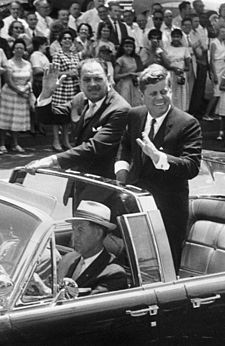
It was none other than General Muhammad Ayub Khan, the second President of Pakistan, who made history by being the first to visit the United States. General Ayub Khan’s visit in July 1961 was pivotal in laying the foundation for a strategic alliance between Pakistan and the U.S. This visit was significant not only for its diplomatic implications but also for the personal rapport Ayub Khan developed with U.S. President John F. Kennedy. The two leaders shared a vision of fostering strong bilateral relations, which would prove to be beneficial for both nations in the long run.
Objectives of President Ayub Khan’s Visit to the USA
During his visit, President Ayub Khan had several key objectives in mind:
- Strengthening Diplomatic Ties: One of the primary goals was to fortify Pakistan’s diplomatic relations with the U.S. By fostering a closer relationship, Pakistan aimed to ensure support against regional threats and stability in South Asia.
- Military and Economic Aid: Another crucial objective was to secure military and economic assistance. Given the geopolitical climate of the time, with tensions running high during the Cold War, Pakistan sought U.S. support to bolster its defense mechanisms and economic stability.
- Promoting Pakistan’s Image: Ayub Khan also aimed to enhance Pakistan’s image on the global stage as a progressive and reliable ally. The visit was designed to showcase the country’s potential and its aspirations for development.
- Addressing Regional Concerns: With the growing influence of India in the region, Ayub Khan’s visit was partly to address concerns about the balance of power in South Asia. Pakistan sought assurances of support in case of any regional conflicts or escalations.
- Establishing Personal Rapport: Building a personal relationship with President Kennedy was also high on Ayub Khan’s agenda. Strong personal ties between leaders often translated into more robust diplomatic relations, and Ayub Khan’s charismatic personality helped facilitate this.
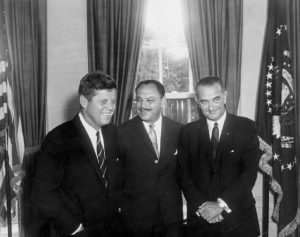
Pakistan & USA Bilateral Relations During the Cold War Era
The Cold War era was a period marked by intense geopolitical rivalries between the Eastern Bloc, led by the Soviet Union, and the Western Bloc, led by the United States. During this time, Pakistan found itself in a unique position, aligning more closely with the U.S. and its allies. Here’s a detailed overview of the bilateral relations between Pakistan and the U.S. during the Cold War:
Strategic Alliances and Defense Pacts
One of the key elements of Pakistan-U.S. relations during the Cold War was the formation of strategic alliances. Pakistan joined the Southeast Asia Treaty Organization (SEATO) and the Central Treaty Organization (CENTO), which were designed to curb Soviet influence in the region. These alliances provided Pakistan with military aid and support, strengthening its defense capabilities against potential threats.
Economic Aid and Development
In addition to military aid, the U.S. also provided significant economic assistance to Pakistan. This aid was aimed at fostering economic development, infrastructure projects, and educational programs. The bilateral economic cooperation during this era played a crucial role in Pakistan’s development trajectory.
Nuclear Non-Proliferation and Security Concerns
Another critical aspect of the bilateral relations was the issue of nuclear non-proliferation. The U.S. was keen on preventing the spread of nuclear weapons, and Pakistan’s nuclear ambitions were a point of contention. Despite these concerns, the U.S. continued to engage with Pakistan to ensure regional stability and security.
Regional Dynamics and Superpower Rivalries
Pakistan’s strategic location made it a valuable ally for the U.S. during the Cold War. The country’s proximity to the Soviet Union and China meant that it played a significant role in the regional dynamics of South Asia. The U.S. used its relationship with Pakistan to counteract Soviet influence in neighboring Afghanistan and maintain a balance of power in the region.
Impact of the Afghanistan Conflict
The Soviet invasion of Afghanistan in 1979 brought Pakistan and the U.S. even closer. Pakistan became a frontline state in the U.S.-led efforts to support Afghan Mujahideen fighters against Soviet forces. This collaboration not only included military aid but also intelligence sharing and strategic planning, further solidifying the bilateral relationship.
General Ayub Khan’s visit to the United States marked the beginning of a new era in Pakistan-U.S. relations. His diplomatic efforts set the stage for a strategic partnership that would evolve through the tumultuous decades of the Cold War. The bilateral relations
Source: The above answer is based on information from
- President Ayub Khan and US President JF Kennedy – In Pictures by Express Tribune
- Ayub Khan – Wikipedia
- President Ayub Khan Visit – Dawn Archives

