Excerpt: This post answers the questions “Who was the first Pakistani Prime Minister to visit USA? Who was the Pakistan first Prime Minister to visit USA? What is the name of first Pakistani Prime Minister to visit USA?”
In the early years of Pakistan’s formation, establishing strong international relations was a priority for the country’s leadership. One of the most significant diplomatic milestones was the first official visit of a Pakistani Prime Minister to the United States. This visit was a crucial step in building a foundation for Pakistan’s foreign policy and shaping its relations with major global powers. It highlighted the importance of fostering ties with the United States, which was emerging as a dominant force in global politics during the post-World War II era.
Who was the first Pakistani Prime Minister to visit the USA?
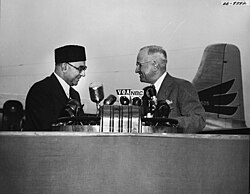
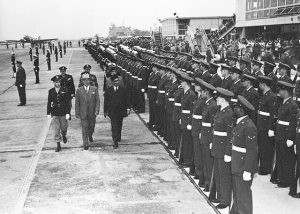
The first Pakistani Prime Minister to visit the United States was Liaquat Ali Khan. He was a pivotal figure in Pakistan’s early history, serving as the country’s first Prime Minister from 1947 until his assassination in 1951. His visit to the United States in May 1950 marked a significant moment in the history of Pakistan’s diplomacy. Liaquat Ali Khan’s visit aimed to establish a strong and cooperative relationship between Pakistan and the United States, setting the stage for future collaborations.
Objectives of Prime Minister Liaquat Ali Khan’s Visit to the USA
Prime Minister Liaquat Ali Khan’s visit to the United States had several key objectives, reflecting the strategic and diplomatic priorities of Pakistan at the time:
- Strengthening Diplomatic Ties: One of the primary objectives of the visit was to strengthen diplomatic ties between Pakistan and the United States. By engaging directly with American leaders, Liaquat Ali Khan aimed to foster mutual understanding and cooperation, laying the groundwork for a strong bilateral relationship.
- Economic Collaboration: Another critical objective was to explore opportunities for economic collaboration. Pakistan sought to benefit from American economic assistance and investments, which were crucial for the country’s development. Discussions focused on trade agreements, financial aid, and technical assistance in various sectors.
- Security and Defense Cooperation: Given the geopolitical context of the early Cold War period, security and defense cooperation were high on the agenda. Liaquat Ali Khan aimed to secure military and strategic support from the United States, which would help Pakistan strengthen its defense capabilities and address regional security concerns.
- Balancing International Alliances: The visit also aimed to balance Pakistan’s international alliances. While Pakistan was forging ties with the United States, it was essential to ensure a balanced approach in its foreign policy, avoiding over-reliance on any single global power.
Pakistan and USA Bilateral Relations: An In-Depth Look
Historical Context of Pakistan-USA Relations
Pakistan and the United States have had a long and multifaceted relationship since the early years of Pakistan’s independence. The initial years were marked by cautious engagement, influenced by the broader dynamics of the Cold War. Despite being part of different global alliances, both countries recognized the importance of establishing diplomatic ties.
Diplomatic Milestones
Prime Minister Liaquat Ali Khan’s visit to the United States in 1950 was a significant milestone in the bilateral relations between Pakistan and the United States. It paved the way for future engagements and set the tone for diplomatic exchanges. This visit was followed by several high-level visits and agreements aimed at fostering cooperation in various fields.
Economic Cooperation
Economic collaboration has been a cornerstone of Pakistan-USA relations. Following Liaquat Ali Khan’s visit, both countries explored opportunities for trade and investment. The United States provided economic assistance to Pakistan in various sectors, including agriculture, industry, and infrastructure development. The establishment of development programs and financial aid agreements highlighted the economic collaboration between the two nations.
Military and Technological Exchange
Another critical aspect of bilateral relations has been military and technological exchange. Pakistan has sought to diversify its defense partnerships, and the United States has played a significant role in providing military equipment and technology. This collaboration has evolved over the years, reflecting the changing geopolitical landscape and the mutual interests of both countries.
Challenges and Opportunities
The relationship between Pakistan and the United States has faced its share of challenges, including geopolitical tensions, shifting alliances, and differences in strategic priorities. However, both countries have continued to explore opportunities for cooperation. In recent years, there has been a renewed focus on strengthening ties, with increased engagement in areas such as counterterrorism, energy security, and economic development.
Modern-Day Relations
In the contemporary era, Pakistan and the United States continue to build on their historical ties. High-level visits, trade agreements, and joint ventures reflect the ongoing efforts to enhance bilateral relations. The two countries also collaborate on regional and international issues, including security, economic development, and humanitarian assistance.
Prime Minister Liaquat Ali Khan’s visit to the United States was a historic moment that laid the foundation for future engagements between Pakistan and the United States. This visit highlighted the strategic importance of fostering diplomatic, economic, and military ties with a major global power. Over the decades, Pakistan and the United States have navigated the complexities of their relationship, striving to build a partnership based on mutual respect and common interests. As both countries continue to face new challenges and opportunities, the legacy of Liaquat Ali Khan’s visit serves as a reminder of the enduring significance of diplomatic efforts in shaping the course of international relations.
Sources: The above answer is based on information from;
- Pakistan – USA Relations: Progress, Challenges, and Prospects – Islamabad Policy Research Institute.
- The Myth of Independence – Karachi: Oxford University Press.
- Prime Minister Liaquat Ali Khan’s Visit to the United States – Dawn Archives
- Pakistan on the Brink – New York: Viking Press
- Pakistan – USA Economic Relations – Pakistan Institute of International Affairs
- The Legacy of Liaquat Ali Khan – Pakistan Historical Review