
Excerpt: This post answers the questions “Who was the first Muslim Governor of KPK? What is the name of first Muslim Governor of KPK? Who was the first Muslim Governor of KPK?”
The history of governance in Khyber Pakhtunkhwa (KPK) is tiled with various pivotal moments that have shaped the region’s political landscape. Nestled in the mountainous northwestern region of Pakistan, KPK is a province with a rich historical tapestry and strategic significance. From ancient civilizations to the modern state, the story of KPK’s governance is a voyage through time. One significant milestone in this journey was the appointment of the first Muslim Governor of KPK after Pakistan’s independence. This marked the beginning of a new chapter characterized by local leadership and self-governance.
Who was the first Muslim Governor of KPK?
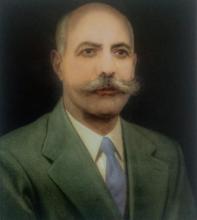
The first Muslim Governor of KPK was Sahibzada Mohammad Khurshid. He was appointed to this pivotal position on 16th July 1949, heralding a new era of governance for the province. Born on 21st July 1901, Khurshid belonged to a respected family and had an impressive academic background. He was educated at the Royal Military College, Sandhurst, which positioned him well for significant roles.
Before becoming Governor, Sahibzada Mohammad Khurshid served as the Chief Commissioner of Balochistan. His admirable administrative skills and dedication to public service made him an ideal candidate for the governorship. During his tenure, he focused extensively on stabilizing the province, promoting education, and fostering economic growth. His administrative reforms had a long-lasting impact, laying the foundation for a prosperous and stable KPK.
The Province of Khyber Pakhtunkhwa (KPK) – A Journey Through Time
Historical Significance and Evolution
Khyber Pakhtunkhwa, previously known as the North-West Frontier Province (NWFP), has a rich and complex history. The region has been a crossroads of various civilizations due to its strategic location. Traces of ancient trade routes and historical invasions highlight its importance.
The earliest inhabitants date back to the Indus Valley Civilization, with significant historical milestones during the Gandhara period when it was a center of Buddhist learning. Over centuries, the region witnessed invasions by Alexander the Great, the Mauryans, and a succession of Islamic dynasties, which established KPK as a melting pot of diverse cultures.
In the post-independence era, KPK has been a focal point for national integration and development. The provincial status granted by the Government of Pakistan in 1935 marked the official recognition of its distinct identity.
Educational and Economic Development
Under leaders like Sahibzada Mohammad Khurshid, educational reforms were a priority. The promotion of primary and secondary education laid a foundation for higher literacy rates and skilled workforce development. Universities and technical institutions flourished, turning KPK into a hub for education.
Economically, KPK’s development strategies have always aimed at harnessing its natural resources and geographical advantages. The focus has been on building infrastructure to support trade and commerce, developing agriculture, and promoting tourism in the scenic valleys and mountainous regions. The commitment to overall economic growth has continued through successive regional and national policies.
Sociopolitical Landscape
KPK’s sociopolitical landscape is diverse and dynamic. The province is predominantly inhabited by Pashtuns, known for their rich cultural heritage and strong sense of community. Traditional customs blend with modern governance, creating a unique sociopolitical fabric.
The province has been at the forefront of significant political movements, including the struggle for Pakistan’s independence and subsequent integration within the national framework. Prominent political figures from KPK have played crucial roles in shaping the province’s destiny.
The appointment of Sahibzada Mohammad Khurshid as the first Muslim Governor of Khyber Pakhtunkhwa marked a significant milestone in the province’s history. His visionary leadership helped to set the stage for much of the progress that KPK has witnessed since independence. Understanding the historical and contemporary aspects of KPK allows us to appreciate the province’s unique contribution to Pakistan’s development. As KPK continues to evolve, the legacy of pioneers like Sahibzada Mohammad Khurshid serves as an inspiring chapter in its ongoing story of resilience and growth.
Sources: The above answer is based on information from
- Sahibzada Mohammad Khurshid – Wikipedia
- Governor of Khyber Pakhtunkhwa – Wikipedia
- History of Khyber Pakhtunkhwa – Khyber Pakhtunkhwa (KP) Official Website
- Khyber Pakhtunkhwa – Wikipedia