
Excerpt: This post answers the questions “Who was the first governor of West Pakistan? What is the name of first governor of the West Pakistan? Who was West Pakistan first governor?”
West Pakistan was a significant administrative region in the history of Pakistan, formed during the reorganization of the country’s provinces. Its governance, history, and the people who played pivotal roles in its administration are of great interest to historians and political enthusiasts. One of the key figures in this history was the first governor of West Pakistan, whose contributions set the groundwork for the region’s governance. In this blog post, we will delve into the identity of this notable figure, his contributions, and a detailed note on the significance of West Pakistan.
Who was the first governor of West Pakistan?
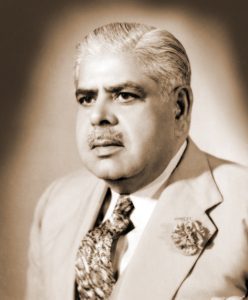
The first governor of West Pakistan was Mushtaq Ahmed Gurmani. He was a prominent figure in Pakistan’s history, known for his leadership and administrative skills. Mushtaq Ahmed Gurmani was appointed as the governor on October 14, 1955, following the establishment of West Pakistan as a single province. His tenure marked the beginning of a new era in the region’s administration, and he played a crucial role in shaping its governance structure. He remained the governor of West Pakistan till August 27, 1957.
The office of Governor of West Pakistan was mainly ceremonial at first, but later governors gained some executive powers. Ayub Khan abolished the Governor’s office and established the Martial Law Administrator of West Pakistan (MLA West) instead.
Short History Of West Pakistan
The Formation of West Pakistan
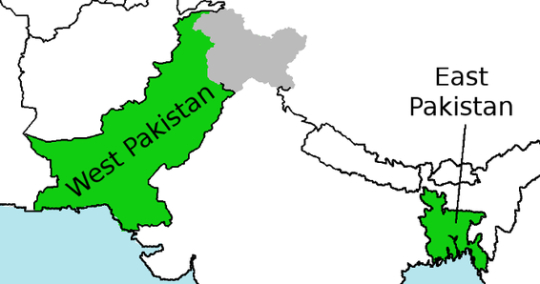
West Pakistan was formed on October 14, 1955, as part of the One Unit Scheme implemented by the government of Pakistan. The scheme aimed to integrate the four provinces and various princely states of West Pakistan into a single administrative unit. This reorganization was intended to streamline the administration, reduce provincial conflicts, and promote unity within the country.
Administrative Structure
The new province of West Pakistan was vast and diverse, encompassing the areas that are now known as Punjab, Sindh, Khyber Pakhtunkhwa, and Balochistan. The administrative structure was designed to centralize authority and bring uniformity to governance. The governor held significant power, acting as the chief executive of the province. The administrative divisions were further managed by commissioners and deputy commissioners who oversaw local governance.
Challenges and Achievements
The formation of West Pakistan presented several challenges, including managing the diverse cultural, ethnic, and linguistic groups within the province. However, the centralization of power also brought about several achievements. The administration worked towards improving infrastructure, promoting economic development, and enhancing social services. Efforts were made to integrate the various regions and foster a sense of unity among the people of West Pakistan.
The Role of Mushtaq Ahmed Gurmani
Mushtaq Ahmed Gurmani’s tenure as the governor of West Pakistan was marked by his efforts to stabilize the newly formed province. He focused on maintaining law and order, improving administrative efficiency, and addressing the needs of the diverse population. His administrative background provided him with the discipline and strategic thinking necessary to manage the complex dynamics of the province. Under his leadership, several developmental projects were initiated, which contributed to the progress of West Pakistan.
The Fall of East Pakistan and Creation of Bangladesh
One of the most significant events in the history of West Pakistan was the fall of East Pakistan and the creation of Bangladesh in 1971. The conflict between West Pakistan and East Pakistan (now Bangladesh) stemmed from political, economic, and cultural disparities. The struggle for autonomy and recognition of the Bengali language and identity led to rising tensions.
In 1971, the situation escalated into a full-scale civil war. The conflict, known as the Bangladesh Liberation War, resulted in widespread violence and atrocities. With the intervention of India, East Pakistan successfully declared its independence and became the sovereign nation of Bangladesh on December 16, 1971. This event marked the end of the One Unit Scheme and had profound implications for West Pakistan, leading to a reevaluation of its administrative and political strategies.
Impact on Modern-Day Pakistan
The legacy of West Pakistan continues to influence the administrative and political landscape of modern-day Pakistan. The One Unit Scheme, despite its eventual dissolution in 1970, laid the foundation for the current provincial boundaries and administrative practices. The lessons learned from the governance of West Pakistan have been instrumental in shaping the country’s approach to provincial administration and inter-provincial relations.
In conclusion, the history of West Pakistan is a testament to the challenges and opportunities that come with administrative reorganization. The role of the first governor, Mushtaq Ahmed Gurmani, was crucial in navigating these challenges and setting the groundwork for effective governance. His contributions, along with the efforts of the administration, have left a lasting impact on the region’s development. Understanding this history is essential for appreciating the complex tapestry of Pakistan’s provincial dynamics and the ongoing journey towards national unity and progress.
Sources: The above answer is based on information from
- Pakistan: A Modern History by Ian Talbot – A comprehensive history book that covers the political and administrative changes in Pakistan, including the formation of West Pakistan.
- The Military and Politics in Pakistan 1947-1997, by Hasan Askari Rizvi – This book provides an in-depth analysis of the role of the military in Pakistan’s politics, including the tenure of Mushtaq Ahmed Gurmani.
- Government of Pakistan Archives – Official records and documents related to the formation and administration of West Pakistan.

