Excerpt: This post answers the questions “Who was the first female deputy speaker of National Assembly? Who was Pakistan’s National Assembly first woman deputy speaker? What is the name of first female deputy speaker of Pakistan National Assembly? Who was the first woman deputy Speaker of the National Assembly?”
The political landscape of Pakistan has witnessed significant changes over the years, with women gradually making their mark in various roles. The journey towards gender equality in politics has been challenging, but the perseverance and dedication of many women have paved the way for future generations. One of the notable milestones in this journey is the appointment of the first female deputy speaker of the National Assembly. This blog post delves into the life and achievements of this trailblazing woman, highlighting her contributions to the political arena and the broader context of women’s participation in politics in Pakistan.
Who was the first female deputy speaker of National Assembly?
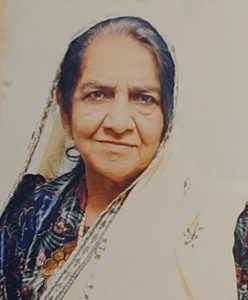
Mrs. Ashraf Khatoon Abbasi holds the distinction of being the first female deputy speaker of the National Assembly of Pakistan. She took oath as the 9th Deputy Speaker of the National Assembly of Pakistan on 11 August 1973. Her appointment marked a significant milestone in the history of the country, showcasing the progress made towards gender equality in politics. Mrs. Abbasi’s journey to this esteemed position was not without challenges, but her determination and commitment to public service helped her overcome numerous obstacles.
Mrs. Abbasi’s tenure as the deputy speaker was characterized by her efforts to promote women’s rights and ensure their representation in the political sphere. She worked tirelessly to address issues related to gender discrimination and advocated for policies that would empower women in Pakistan. Her leadership and vision inspired many women to pursue careers in politics and contribute to the development of the country.
Women in Politics in Pakistan
Breaking Barriers and Expanding Participation
The role of women in Pakistan’s political process has evolved significantly over the years. Despite facing numerous challenges, women in the country have made remarkable strides in breaking barriers and expanding their participation in politics. The patriarchal norms, limited educational opportunities, and economic constraints have historically hindered women’s political involvement. However, the emergence of powerful women who challenge established conventions and fight for gender-inclusive legislation has been a game-changer.
Cultural and Educational Factors
Cultural and educational factors play a crucial role in shaping women’s political participation in Pakistan. The country’s intricate social framework and deeply ingrained cultural values have traditionally limited women’s involvement in public life. However, efforts to increase access to education and promote economic independence have shown promising results. Women’s rights organizations and progressive legislative proposals have been instrumental in driving these changes.
Legislative Reforms and Political Empowerment
Legislative reforms have played a pivotal role in enhancing women’s political empowerment in Pakistan. The Election Act 2017, which mandated a minimum percentage of tickets for women, aimed to address the issue of under-representation. While there are reserved seats for women, the struggle to secure positions in general seats remains a considerable challenge. The mindset shift needed to fully embrace women in politics requires sustained effort from all quarters.
Role Models and Changing Perceptions
The emergence of role models and the tireless efforts of women who have paved the way contribute to changing perceptions about women’s capabilities in politics. Women like Benazir Bhutto and Fatima Jinnah have been at the forefront of this struggle, championing women’s rights and advocating for their inclusion in decision-making processes. Their dedication and perseverance have inspired many young women to pursue careers in politics and strive for gender equality.
The journey towards gender equality in Pakistan’s political landscape is ongoing, with many challenges still to be addressed. However, the progress made so far is a testament to the resilience and determination of the women who have fought for their rightful place in the political arena. The appointment of the first female deputy speaker of the National Assembly and the continued efforts of women leaders are significant milestones in this journey. As more women step into leadership roles and advocate for gender-inclusive policies, the future of Pakistan’s political landscape looks promising.
Sources: To ensure the accuracy and authenticity of the information provided, the following sources were referenced:
- Deputy Speakers – National Assembly Portal
- Deputy Speaker of the National Assembly of Pakistan – Wikipedia
- Transition: Pakistan’s first female deputy speaker dies – Express Tribune
- Women in Pakistani politics – Wikipedia
- Where Are the Women in Pakistan’s Politics? – The Diplomat