Excerpt: This post answers the questions “Who was the first ambassador of Pakistan to the United States? Who was Pakistan first ambassador to US? What is the name of Pakistan’s first ambassador to the United States of America – USA?”
Diplomatic relations between nations play a pivotal role in shaping international affairs and fostering cooperation. For Pakistan, establishing a robust diplomatic presence in the United States was crucial from the very inception of the country. The appointment of the first ambassador to the United States marked a significant step in this direction. This blog post delves into the life and career of Pakistan’s first ambassador to the United States, explores the early diplomatic ties between the two countries, and examines the evolution of their relationship over the decades.
Who Was the First Ambassador of Pakistan to the United States?
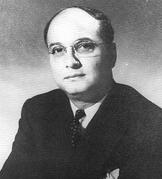
After Pakistan gained independence in 1947, it needed to establish diplomatic channels to build its standing on the global stage. In this context, Mirza Abul Hassan Ispahani was appointed as the first ambassador of Pakistan to the United States in 1948. Ispahani, a prominent politician and diplomat, played a key role in shaping Pakistan’s early foreign policy and in laying the groundwork for future relations with the United States.
Early Diplomatic Relations Between Pakistan and the United States
From the onset, Pakistan viewed its relationship with the United States as vital for its economic development and security. The U.S. recognized Pakistan’s strategic importance in the region, especially during the Cold War era.
Key Milestones in Pakistan-U.S. Relations
- 1950s – Building Foundations: The 1950s were marked by significant U.S. economic and military aid to Pakistan. Pakistan joined SEATO (Southeast Asia Treaty Organization) and CENTO (Central Treaty Organization), aligning itself with the Western bloc.
- 1960s – Challenges and Cooperation: The 1960s saw both cooperation and challenges. While the U.S. provided support during Pakistan’s conflicts with India, there were also periods of tension, particularly over the issue of arms supplies.
- 1970s – Realignments: The 1970s were a period of realignment. The U.S. played a crucial role in facilitating the opening of China to the world, with Pakistan acting as an intermediary. However, relations were strained due to Pakistan’s pursuit of nuclear capabilities.
- 1980s – Strategic Partnership: The 1980s marked a high point in Pakistan-U.S. relations, with the two countries working closely during the Soviet-Afghan War. The U.S. provided substantial aid to Pakistan, both economic and military, to support the Afghan mujahideen.
- 1990s – Sanctions and Support: The 1990s were characterized by a mixed relationship. The imposition of sanctions due to Pakistan’s nuclear tests in 1998 was a significant setback. However, there were also periods of cooperation, particularly in the context of economic assistance.
- 2000s – War on Terror: The events of 9/11 brought Pakistan and the U.S. into a closer strategic partnership in the fight against terrorism. The U.S. provided significant military and economic support to Pakistan during this period.
- 2010s and Beyond – Complex Dynamics: The relationship in the 2010s has been complex, characterized by both cooperation and contention. Issues such as the drone strikes in Pakistan’s tribal areas and the raid on Osama bin Laden’s compound in Abbottabad created friction. However, cooperation on counterterrorism and economic development continued.
The diplomatic journey between Pakistan and the United States has been a roller-coaster ride marked by periods of close cooperation and significant challenges. From the early efforts of Mirza Abul Hassan Ispahani to establish strong ties with the U.S. to the complex dynamics of the modern era, the relationship has evolved considerably. Understanding the historical context and key milestones in this relationship provides valuable insights into the current state of affairs and the potential future trajectory of Pakistan-U.S. relations.
Sources: The above answer is based on the information given by
- “Pakistan-U.S. Relations: A Historical Overview” – Council on Foreign Relations
- “Pakistan and America: Friends, Not Allies” by Husain Haqqani
- “Diplomacy of Pakistan” – Ministry of Foreign Affairs, Pakistan
- “The Role of Pakistan in Facilitating U.S.-China Rapprochement” – Harvard University Asia Center
- “The Cold War and Pakistan” – The National Archives