
Excerpt: This post answers the questions “Who paid for Tarbela Dam? Who funded Tarbela Dam project? Who financed Tarbela Dam project?”
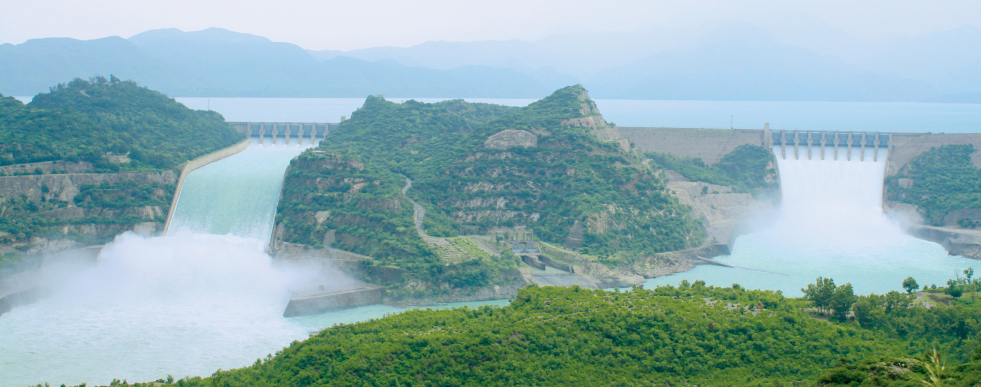
The Tarbela Dam stands as a marvel of modern engineering, serving as one of the largest earth-filled dams in the world. It plays a crucial role in Pakistan’s water resource management, electricity generation, and agricultural irrigation. Located on the Indus River in the Khyber Pakhtunkhwa province, the dam’s significance cannot be understated. Exploring who funded this immense project helps us understand the collaborative efforts that brought it to life and recognize the contributions of key international entities.
Who Paid for Tarbela Dam?
The construction of the Tarbela Dam was primarily financed by the World Bank. The project received significant financial support through a combination of loans and credits from the World Bank’s International Development Association (IDA) and the International Bank for Reconstruction and Development (IBRD). The World Bank approved the loan in 1968, and the project was completed in 1976 at a cost of approximately $1.49 billion. The financial contributions from the World Bank were instrumental in bringing this ambitious project to fruition.
The funding provided by the World Bank facilitated the dam’s construction, covering various costs associated with engineering, labor, and materials. The collaborative effort ensured the successful completion of the Tarbela Dam, which now stands as a vital component of Pakistan’s infrastructure, contributing significantly to the nation’s water supply and energy production.
Important World Bank Projects in Pakistan
Overview of World Bank Involvement in Pakistan
The World Bank has been a key partner in Pakistan’s development journey, providing financial and technical assistance for numerous projects aimed at improving the country’s infrastructure, social services, and economic stability. The World Bank’s involvement has been pivotal in addressing critical development challenges and promoting sustainable growth in Pakistan.
Notable World Bank Projects in Pakistan
Dasu Hydropower Project
The Dasu Hydropower Project is another significant initiative funded by the World Bank. Located on the Indus River, this project aims to generate clean and renewable energy to meet Pakistan’s growing electricity demands. The project’s first phase is expected to produce 2,160 megawatts of electricity, with the potential to expand further in subsequent phases. The World Bank’s financial support has been crucial in advancing the project’s construction and development.
Indus Basin Irrigation System
The Indus Basin Irrigation System is one of the world’s largest irrigation networks, and the World Bank has played a vital role in its development and modernization. The system includes an extensive network of canals, barrages, and dams that provide water for agricultural irrigation across Pakistan. The World Bank’s funding has supported various projects to enhance the efficiency and sustainability of the irrigation system, ensuring a reliable water supply for millions of farmers.
Balochistan Integrated Water Resources Management and Development Project
This project aims to improve water resource management in the arid region of Balochistan. The World Bank’s financial support has been instrumental in implementing measures to enhance water availability, improve irrigation practices, and promote sustainable land use. The project focuses on strengthening the capacity of local institutions and communities to manage water resources effectively.
Pakistan Education and Learning Project
The World Bank has also been actively involved in supporting Pakistan’s education sector. The Pakistan Education and Learning Project aims to enhance the quality of education and improve access to schooling for children across the country. The project focuses on teacher training, curriculum development, and infrastructure improvements to create a conducive learning environment.
Pakistan Social Safety Net Project
The Pakistan Social Safety Net Project, funded by the World Bank, aims to support vulnerable and low-income households through targeted social assistance programs. The project focuses on providing cash transfers, health services, and educational support to those in need, promoting social inclusion and reducing poverty.
Sindh Barrages Improvement Project
The World Bank has provided financial assistance for the Sindh Barrages Improvement Project, which aims to rehabilitate and modernize key barrages in the Sindh province. These barrages are essential for regulating water flow and ensuring the efficient distribution of water for irrigation. The project’s goal is to enhance the resilience and functionality of the barrages, ensuring a stable water supply for agricultural activities.
Pakistan National Highways Rehabilitation Project
The Pakistan National Highways Rehabilitation Project is another notable initiative funded by the World Bank. The project focuses on improving the condition and safety of the country’s national highways, which are vital for economic connectivity and trade. The World Bank’s financial support has enabled the rehabilitation and maintenance of critical road infrastructure, facilitating smoother transportation and reducing travel times.
The Tarbela Dam project, funded by the World Bank, stands as a testament to the collaborative efforts that drive global development. By understanding the financial support provided by the World Bank and other key projects in Pakistan, we can appreciate the significant impact these initiatives have on improving infrastructure, education, healthcare, and environmental sustainability in the country. The World Bank’s commitment to reducing poverty and boosting shared prosperity continues to shape the future of Pakistan, contributing to its sustainable development and economic growth.
Source: To ensure the accuracy and authenticity of the information provided, the following sources were referenced:
- Tarbela Dam – Wikipedia
- Tarbela Dam – Water & Power Development Authority
- Tarbela Dam | Indus River, Hydropower, Reservoir – Britannica

