Excerpt: This post answers the questions “Which province of Pakistan has the most canals? Which Pakistani province has the highest number of canals? Which province of Pakistan contains the most canals?”
Pakistan, a country blessed with diverse landscapes and a rich history, owes much of its agricultural prosperity to its intricate network of canals. These canals have been crucial in transforming arid lands into fertile agricultural fields, providing water for crops and helping sustain the livelihoods of millions of people. Understanding which province boasts the most extensive canal system is vital for appreciating the country’s irrigation achievements and recognizing the region’s contributions to national agriculture.
Which Province of Pakistan Has the Most Canals?
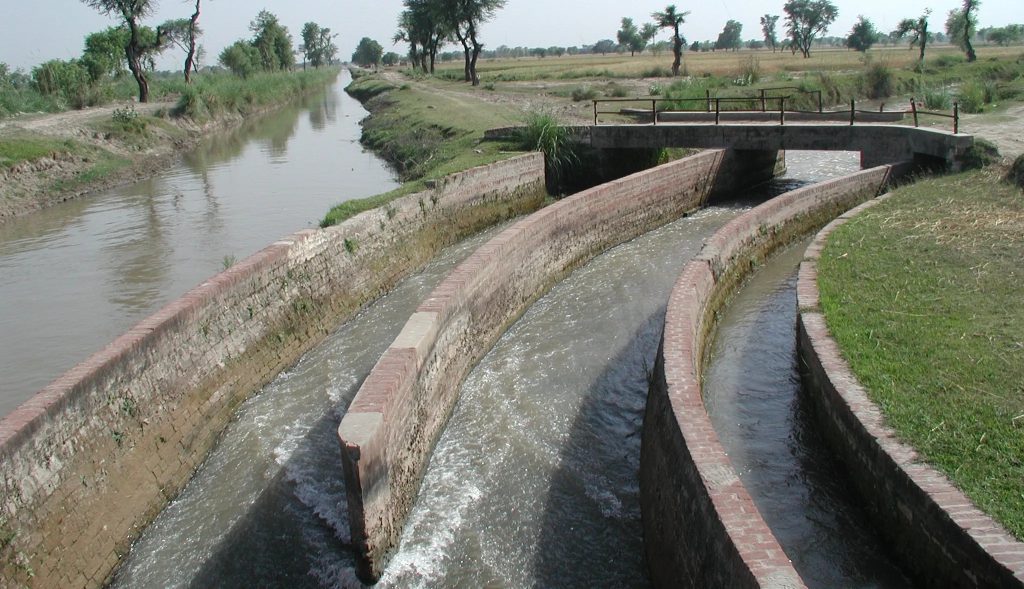
When it comes to the province with the highest number of canals, Punjab takes the crown. The total number of canals in Punjab is 35 but 24 of them are the main canals which the Punjab Irrigation Department uses for delivering irrigation supplies to farmers.
Situated in the heart of Pakistan, Punjab is home to the most extensive and sophisticated canal system in the country. The province’s name itself, derived from the Persian words “Punj” (five) and “Ab” (water), refers to the five major rivers that flow through the region—Jhelum, Chenab, Ravi, Sutlej, and Beas. These rivers have shaped Punjab’s geography and facilitated the construction of an elaborate canal network that supports its agriculture-based economy.
The Significance of Punjab’s Canals
Punjab’s canals play a vital role in the province’s agricultural productivity. They enable the irrigation of millions of hectares of farmland, making Punjab the breadbasket of Pakistan. The efficient distribution of water through these canals has led to the cultivation of various crops, including wheat, rice, sugarcane, and cotton, which are essential for both domestic consumption and export.
Historical Development of Punjab’s Canals
The history of canal construction in Punjab dates back to the British colonial period. The British administration recognized the region’s agricultural potential and invested in developing an extensive canal system to maximize crop yields. The Upper Bari Doab Canal, constructed in the mid-19th century, was one of the earliest major projects, followed by the construction of the Sutlej Valley and Lower Chenab canals. These canals laid the foundation for subsequent expansions, leading to the modern-day irrigation network that sustains Punjab’s agriculture.
Canal System of Pakistan
Overview of Pakistan’s Canal Network
Pakistan’s canal system is one of the largest and most complex in the world, comprising thousands of kilometers of canals, distributaries, and watercourses. The system is primarily fed by the Indus River and its tributaries, which flow from the mountainous regions in the north to the plains in the south. This vast network of canals is essential for irrigation, providing water to approximately 90% of the country’s cultivated land.
Major Canals in Pakistan
- Upper Bari Doab Canal (UBDC): This canal, located in Punjab, is one of the oldest and most significant canals in Pakistan. It irrigates vast agricultural lands and supports the cultivation of various crops.
- Lower Chenab Canal (LCC): Also in Punjab, the Lower Chenab Canal is crucial for irrigating the fertile lands of the province. It plays a pivotal role in the production of wheat, rice, and sugarcane.
- Sutlej Valley Project: This project includes several canals, such as the Pakpattan and Haveli canals, which are essential for irrigating the southern regions of Punjab.
- Indus Basin Project: This project, initiated in the 1960s, aimed to manage the waters of the Indus River and its tributaries. The Indus Basin Project includes the construction of major dams like Tarbela and Mangla, as well as a network of canals that distribute water throughout the country.
Importance of Canals for Agriculture
The canals of Pakistan are the lifeline of its agriculture sector. They ensure a reliable supply of water to the fields, enabling farmers to grow a wide variety of crops and supporting food security. The canal system also helps prevent waterlogging and salinity, which are common issues in arid regions. By efficiently managing water resources, the canals contribute to sustainable agricultural practices and boost the country’s economy.
The canal system in Pakistan, particularly in the province of Punjab, stands as a testament to the country’s dedication to agricultural development and water resource management. Punjab, with its vast network of canals, plays a pivotal role in sustaining Pakistan’s agriculture and ensuring food security for its people. As the country continues to modernize and expand its irrigation infrastructure, the importance of these canals remains unwavering. By understanding and appreciating the significance of this extensive canal network, we can better recognize the efforts made to transform arid lands into fertile fields and support the livelihoods of millions.
Source: To ensure the accuracy and authenticity of the information provided, the following sources were referenced:
- Irrigation and Agriculture in Pakistan – NESPAK
- History of Canal Systems in Punjab – Government of Punjab Irrigation Department
- Indus Basin Irrigation System – WAPDA