

Excerpt: This post answers the questions “Which province of Pakistan has maximum forest area? What province of Pakistan has the maximum forest area? Which state of Pakistan has the maximum number of forests?”
Pakistan is a country of diverse geographical landscapes, ranging from the towering peaks of the Himalayas to the arid deserts of Balochistan, and lush green plains in between. Among these varied terrains, one region stands out for its vast forest cover, playing a crucial role in maintaining the ecological balance and supporting biodiversity. Let’s explore this province and understand what makes it the green heart of Pakistan.
Which Province of Pakistan Has Maximum Forest Area?
The Province with Maximum Forest Area
The province with the maximum forest area in Pakistan is Khyber Pakhtunkhwa (KPK). KPK is known for its dense and expansive forests, which cover a significant portion of the province. With an estimated 1,214 thousand hectares of forest area, KPK holds about 32.7% of Pakistan’s total forested land. This extensive forest cover makes KPK a vital region for biodiversity, climate regulation, and economic activities related to forestry.
Discovering Pakistan’s Forest Wealth
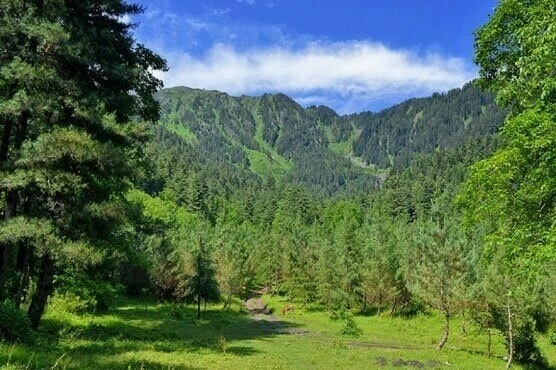
Geographical Distribution of Forests:
Pakistan’s forests are spread across its different provinces, each contributing to the country’s overall forest area in varying proportions. Here’s a breakdown of the major forested regions:
- Khyber Pakhtunkhwa (KPK)
- Sindh
- Punjab
- Balochistan
- Azad Jammu and Kashmir (AJK)
- Gilgit-Baltistan (GB)
Among these regions, KPK holds the largest share of Pakistan’s forest area, with vast tracts of coniferous forests, sub-tropical forests, and alpine forests.
Types of Forests in Pakistan:
- Coniferous Forests: Coniferous forests, primarily found in the mountainous regions of KPK, AJK, and GB, consist of species such as blue pine (Pinus wallichiana), deodar (Cedrus deodara), and Morinda spruce (Picea smithiana). These forests play a crucial role in watershed management and are a habitat for various wildlife species.
- Sub-Tropical Forests: These forests are located in the lower altitude areas of KPK and Punjab. Dominant species include phulai (Acacia modesta) and kau (Olea cuspidata). Sub-tropical forests are essential for grazing and local timber needs.
- Riverine Forests: Found along the banks of rivers in Punjab and Sindh, riverine forests comprise species such as Prosopis cineraria and Tamarix dioica. These forests help in soil conservation and flood management.
- Mangrove Forests: The coastal areas of Sindh, particularly the Indus Delta, are home to mangrove forests. They are crucial for coastal protection, fisheries, and supporting marine biodiversity.
- Scrub Forests: Scrub forests, found in the arid regions of Balochistan and Southern Punjab, consist of xerophytic shrubs and grasses adapted to dry conditions.
Ecological Importance:
Forests in Pakistan are vital for maintaining environmental stability. They help in:
- Carbon Sequestration: Forests absorb large amounts of carbon dioxide, thus helping to mitigate the impacts of climate change.
- Watershed Management: Forests play a crucial role in preserving water resources by preventing soil erosion and managing water cycles.
- Biodiversity Conservation: Forests are habitats for a wide range of flora and fauna, contributing to the country’s biodiversity.
- Climate Regulation: Forests impact local climate patterns, aiding in temperature and humidity regulation.
Economic Contributions:
Forests are an important economic resource for Pakistan. They provide:
- Timber and Non-Timber Products: Forests are a source of construction wood, fuelwood, and non-timber products such as resin and herbs.
- Livelihoods: Many communities depend on forests for their livelihoods through activities such as logging, agriculture, and tourism.
- Ecotourism: Forested regions attract tourists, generating revenue and promoting environmental awareness.
Challenges and Conservation Efforts:
Despite their importance, Pakistan’s forests face numerous challenges:
- Deforestation: Rapid urbanization and agricultural expansion lead to significant deforestation each year.
- Illegal Logging: Unregulated logging activities threaten forest sustainability.
- Climate Change: Changing climate patterns impact forest health and biodiversity.
Conservation efforts include:
- Reforestation Programs: Initiatives like the Billion Tree Tsunami aim to restore forest cover through massive tree planting campaigns.
- Protected Areas: Establishing national parks and protected areas to preserve critical habitats and biodiversity.
- Community Involvement: Engaging local communities in conservation efforts to ensure sustainable forest management.
Khyber Pakhtunkhwa’s vast and diverse forests stand as a testament to the province’s natural wealth and ecological significance. As the region with the highest forest cover in Pakistan, KPK plays a pivotal role in supporting the country’s biodiversity, climate stability, and economy. Despite the challenges of deforestation and climate change, ongoing conservation efforts and sustainable forest management practices offer hope for preserving these green treasures. By recognizing the value of KPK’s forests and actively participating in their protection, we can ensure that these vital ecosystems continue to thrive for generations to come.
Sources: To ensure the accuracy and authenticity of the information provided, the following sources were referenced:
- Area Wise Distribution of Forests in Pakistan – Ibex Times
- 20% Forest Area Lost to Urbanisation in Pakistan – Geo TV
- Forestry in Pakistan – Wikipedia

