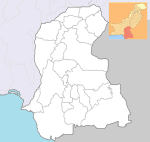
Excerpt: This post answers the questions “Which is the third largest city in Sindh Pakistan? Which is the third biggest city in Sindh Pakistan? What is the third largest city in Sindh Pakistan?”
Sindh, a province in southern Pakistan, is known for its rich cultural heritage, historical significance, and vibrant cities. Each city in Sindh has its own unique history, cultural identity, and economic role, contributing to the overall charm and significance of the province. In this blog post, we will explore the third largest city in Sindh, delving into its historical importance, cultural diversity, and modern developments.
Which is the third largest city in Sindh Pakistan?
The third largest city in Sindh, Pakistan, is Sukkur. According to the 2023 census, Sukkur has a population of approximately 563,851 people. Known for its strategic location along the banks of the Indus River, Sukkur serves as an important administrative and commercial hub in the province. The city’s rich history, cultural heritage, and continuous development make it a significant urban center in Sindh.
Sukkur – Sindh: An Overview

Historical Significance
Sukkur has a rich and storied history that dates back several centuries. The city is believed to have been established during the reign of the ancient Indus Valley Civilization, one of the world’s earliest urban cultures. The region’s strategic location along the Indus River made it an important center for trade and commerce.
During the medieval period, Sukkur came under the rule of various empires and dynasties, including the Ghaznavids, Ghurids, and Mughals. The city’s historical significance is evident in its numerous architectural landmarks and historical sites. One of the most iconic landmarks in Sukkur is the Lansdowne Bridge, built during the British colonial era. This engineering marvel, constructed in 1889, connects Sukkur with the nearby city of Rohri and remains a symbol of the city’s historical heritage.
Another notable historical site in Sukkur is the Sukkur Barrage, also known as the Lloyd Barrage. Constructed in the early 20th century, the barrage plays a crucial role in controlling the flow of the Indus River and providing irrigation water to the surrounding agricultural lands. The barrage is a testament to the city’s engineering prowess and its importance in the region’s agricultural development.
Cultural Diversity
Sukkur is a melting pot of diverse cultures, languages, and traditions. The city’s residents, known as Sukkurites, are known for their hospitality, warmth, and strong sense of community. The cultural diversity of Sukkur is celebrated through various festivals, events, and everyday life.
One of the most significant cultural events in Sukkur is the annual Urs of Syed Sadaruddin Shah, a revered Sufi saint whose shrine is located in the city. The Urs is a vibrant celebration that attracts devotees from all over the country, featuring music, dance, and spiritual gatherings. Other cultural festivals, such as Eid celebrations and Diwali, are also celebrated with great enthusiasm and joy.
Sukkur’s culinary scene is a testament to its diverse cultural influences. The city offers a wide range of delicious dishes, from traditional Sindhi cuisine to international flavors. Some of the must-try dishes in Sukkur include Sindhi Biryani, Sajji, and Pulao. The city’s bustling food streets and markets are a food lover’s paradise, offering a delightful culinary experience for locals and visitors alike.
Natural Beauty and Tourism
Sukkur is known for its stunning natural beauty and is a popular tourist destination in Sindh. The city’s picturesque landscapes, lush green fields, and serene riverbanks attract tourists from all over the country. The Indus River, which flows through Sukkur, adds to the city’s natural charm and provides opportunities for recreational activities such as boating and fishing.
One of the most popular tourist attractions in Sukkur is the Sukkur Barrage and the nearby Lab-e-Mehran Park. Lab-e-Mehran Park is a beautifully landscaped park located along the banks of the Indus River, offering stunning views and a peaceful environment. The park is a favorite spot for families and nature lovers, providing a perfect place for picnics and outdoor activities.
Another notable attraction in Sukkur is the Sadhu Bela Temple, located on an island in the Indus River. This Hindu temple complex is an important religious site and attracts pilgrims and tourists from all over the region. The temple’s serene surroundings and spiritual significance make it a must-visit destination in Sukkur.
For history enthusiasts, the nearby archaeological site of Mohenjo-Daro, one of the major cities of the ancient Indus Valley Civilization, offers a fascinating glimpse into the region’s ancient history. Mohenjo-Daro is a UNESCO World Heritage Site and provides valuable insights into the early urban culture and architectural achievements of the Indus Valley Civilization.
Modern Developments
In recent years, Sukkur has witnessed significant urbanization and infrastructure development, transforming it into a modern city. The city’s development projects include the construction of new roads, bridges, and commercial centers, aimed at improving connectivity and enhancing the quality of life for its residents.
One of the notable modern developments in Sukkur is the establishment of educational institutions and healthcare facilities. The city is home to several schools, colleges, and universities that provide quality education and contribute to the intellectual growth of the region. Institutions like the Sukkur IBA University and the Government Girls Degree College are among the prominent educational institutions in Sukkur.
The healthcare infrastructure in Sukkur has also seen significant improvements, with the establishment of modern hospitals, clinics, and healthcare centers. The Sukkur Civil Hospital is one of the leading healthcare facilities in the region, providing a wide range of medical services to the residents of Sukkur and the surrounding areas.
Sukkur’s recreational areas, such as parks, sports complexes, and cultural centers, provide residents with opportunities for leisure and entertainment, contributing to the overall well-being of the community.
Economic Importance
Sukkur’s strategic location and well-developed infrastructure make it an essential economic hub in Sindh. The city’s diverse economy includes various sectors, such as trade, manufacturing, agriculture, and services. Sukkur is known for its thriving agricultural sector, with the fertile land along the Indus River producing crops such as wheat, rice, and sugarcane.
The city’s bustling markets and commercial centers are major hubs of trade and commerce, attracting businesses and shoppers from all over Sindh. Sukkur’s strategic location along major transportation routes further enhances its economic significance, making it a vital center for trade and distribution.
Sukkur is also known for its handicrafts and traditional industries, such as pottery, weaving, and leatherwork. The city’s artisans and craftsmen produce a wide range of handmade products that are highly prized and sought after, both domestically and internationally.
Sukkur, the third largest city in Sindh, Pakistan, is a city of immense historical, cultural, and economic significance. Its rich heritage, stunning natural beauty, and continuous development make it a unique and dynamic urban center. By understanding and appreciating Sukkur’s unique attributes, we can gain a deeper insight into the overall beauty and diversity of Sindh and Pakistan. Whether you’re a history enthusiast, nature lover, or curious traveler, Sukkur has something special to offer for everyone.