Excerpt: This post answers the questions “Which is the smallest province of Pakistan by population? Which province of Pakistan is least populated? What is the smallest province of Pakistan by population?”
Pakistan is a country with a rich tapestry of landscapes, cultures, and languages. It is divided into four provinces, each with its unique characteristics and significance. In this blog post, we will explore the smallest province of Pakistan by population, uncovering what makes it special and noteworthy.
Which is the Smallest Province of Pakistan by Population?
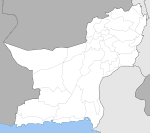
The smallest province of Pakistan by population is Balochistan. Despite being the largest province in terms of area, Balochistan has the smallest population compared to the other provinces. According to the most recent census, Balochistan has a population of approximately 14.89 million people. The province’s low population density is due to its vast deserts, mountains, and arid climate, which make large-scale habitation challenging.
Balochistan
Location and Composition
Balochistan is located in the southwestern region of Pakistan, sharing borders with Iran to the west, Afghanistan to the northwest, and the Arabian Sea to the south. It also borders the Pakistani provinces of Punjab and Sindh to the east and northeast, respectively. The provincial capital is Quetta, which serves as the administrative and commercial center of Balochistan.
Historical Significance
Balochistan has a rich and ancient history, with evidence of human habitation dating back thousands of years. The region has been influenced by various civilizations, including the Indus Valley Civilization, the Persian Empire, and the Islamic Caliphates. Balochistan has a unique cultural heritage, with a blend of indigenous Baloch traditions and influences from neighboring regions.
Economic Activities
Balochistan’s economy is primarily based on agriculture, livestock, and mining. The province’s arid climate and rugged terrain make agriculture challenging, but various crops such as wheat, barley, and fruits are still cultivated. Livestock farming is a significant source of income for many residents, with sheep, goats, and camels being reared for meat, milk, and wool.
Balochistan is also rich in natural resources, including minerals such as coal, natural gas, copper, and gold. The province’s vast mineral wealth has the potential to drive economic growth and development, although it remains underutilized due to various challenges, including lack of infrastructure and investment.
Educational Institutions
Balochistan is home to several reputable educational institutions that cater to the needs of its residents. The University of Balochistan, located in Quetta, is the largest and oldest higher education institution in the province, offering a range of academic programs. Other notable institutions include the Balochistan University of Information Technology, Engineering and Management Sciences (BUITEMS) and Sardar Bahadur Khan Women’s University. These institutions play a crucial role in the intellectual and professional development of the region’s population.
Natural Beauty and Tourism
Balochistan boasts a diverse and stunning natural landscape, featuring vast deserts, rugged mountains, and pristine coastline. The province’s natural beauty makes it an attractive destination for tourists and nature enthusiasts. Popular tourist spots include the Hingol National Park, which is home to unique wildlife and geological formations, and the Gwadar coastline, known for its pristine beaches and crystal-clear waters.
The region’s mountainous terrain is also home to various historical and cultural sites, such as the ancient rock carvings at Juniper Valley and the historic fortresses of Khuzdar and Kharan. These sites offer a glimpse into Balochistan’s rich history and cultural heritage.
Cultural Heritage
Balochistan is a cultural treasure trove, with a rich tapestry of traditions, music, dance, and handicrafts. The province is home to various ethnic groups, including Baloch, Pashtun, Brahui, and Hazara communities, each with its unique customs and traditions. Balochi music and dance, characterized by the use of traditional instruments such as the suroz and dambura, are integral parts of local life. Handicrafts, including intricate embroidery, pottery, and rugs, are also an essential aspect of Balochistan’s cultural heritage.
Festivals and fairs are celebrated with great enthusiasm, showcasing the region’s rich cultural diversity. Notable events include the Sibi Mela, a traditional festival featuring livestock shows, cultural performances, and handicraft exhibitions, and the Gwadar Expo, which highlights the province’s economic potential and promotes trade and investment.
Development and Infrastructure
In recent years, Balochistan has witnessed significant development in infrastructure. The construction of new roads, bridges, and public facilities has improved connectivity and enhanced the quality of life for residents. Key infrastructure projects include the development of the Gwadar Port, which aims to transform the region into a major trade and logistics hub, and the construction of the China-Pakistan Economic Corridor (CPEC), which seeks to boost economic growth and development in the province.
Despite these advancements, Balochistan still faces various challenges, including limited access to education and healthcare, lack of investment, and political instability. Addressing these issues is crucial for unlocking the province’s full potential and ensuring sustainable development.
In conclusion, Balochistan, the smallest province of Pakistan by population, offers a unique blend of historical significance, natural beauty, and cultural richness. Despite its low population density and vast geographic area, Balochistan plays a crucial role in the country’s history, culture, and economy. Each province in Pakistan has its distinct identity and contributes to the nation’s diverse tapestry. By exploring and understanding these provinces, we gain a deeper appreciation for Pakistan’s rich heritage and potential.
Source: To ensure the accuracy and authenticity of the information provided, the following sources were referenced:
- Balochistan- Pakistan Bureau of Statistics
- Balochistan Profile – Provincial Disaster Management
- Balochistan – Government of Balochistan Web Portal
- Balochistan – Wikipedia