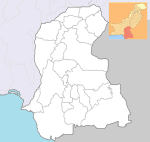
Excerpt: This post answers the questions “Which is the second largest city of Sindh Pakistan? Which is Sindh second biggest city? What is the second largest city of Sindh Pakistan?”
Sindh, a province known for its rich cultural heritage and historical significance, is home to many vibrant cities that play a crucial role in shaping the region’s identity. Each city in Sindh contributes uniquely to its cultural, economic, and social landscape. In this blog post, we will explore the second largest city in Sindh, delving into its historical importance, cultural diversity, and modern developments.
Which is the second largest city of Sindh Pakistan?
The second largest city of Sindh, Pakistan, is Hyderabad. According to the 2023 census, Hyderabad has a population of approximately 1,921,275 people. Known for its rich history, diverse culture, and economic significance, Hyderabad serves as a central hub in the province. The city’s unique blend of tradition and modernity makes it a significant urban center in Sindh.
Hyderabad – Sindh: An Overview

Historical Significance
Hyderabad has a storied history that dates back to the 18th century. It was founded in 1768 by Mian Ghulam Shah Kalhoro, a ruler of the Kalhora dynasty. The city was named after the historical city of Hyderabad in India. During the Kalhora and Talpur eras, Hyderabad served as the capital of Sindh and was a major center of trade, culture, and administration.
One of the most iconic landmarks in Hyderabad is the Pakka Qila, also known as the “Solid Fort.” Built by Mian Ghulam Shah Kalhoro, this fort played a significant role in the city’s defense and administration. The fort’s architecture reflects the grandeur and strength of the period, and it remains a symbol of Hyderabad’s historical heritage.
Another notable historical site in Hyderabad is the tombs of the Talpur Mirs, the rulers who succeeded the Kalhoras. The tombs, located in the Hirabad area, are known for their intricate tile work and architectural beauty. These historical landmarks provide a glimpse into the city’s rich past and cultural legacy.
Cultural Diversity
Hyderabad is a melting pot of diverse cultures, languages, and traditions. The city’s residents, known as Hyderabadis, are known for their hospitality, warmth, and strong sense of community. The cultural diversity of Hyderabad is celebrated through various festivals, events, and everyday life.
One of the most significant cultural events in Hyderabad is the annual Urs of Hazrat Shah Abdul Latif Bhittai, a revered Sufi saint whose shrine is located in the nearby town of Bhit Shah. The Urs is a vibrant celebration that attracts devotees from all over the country, featuring music, dance, and spiritual gatherings. Other cultural festivals, such as Eid celebrations and Diwali, are also celebrated with great enthusiasm and joy.
Hyderabad’s culinary scene is a testament to its diverse cultural influences. The city offers a wide range of delicious dishes, from traditional Sindhi cuisine to international flavors. Some of the must-try dishes in Hyderabad include Biryani, Sindhi Biryani, Pulao, and the famous Hyderabadi Karhi. The city’s bustling food streets and markets are a food lover’s paradise, offering a delightful culinary experience for locals and visitors alike.
Modern Developments
In recent years, Hyderabad has witnessed significant urbanization and infrastructure development, transforming it into a modern city. The city’s development projects include the construction of new roads, bridges, and commercial centers, aimed at improving connectivity and enhancing the quality of life for its residents.
One of the notable modern developments in Hyderabad is the establishment of educational institutions and healthcare facilities. The city is home to several schools, colleges, and universities that provide quality education and contribute to the intellectual growth of the region. Institutions like the University of Sindh, Liaquat University of Medical and Health Sciences (LUMHS), and Sindh Agriculture University are among the prominent educational institutions in Hyderabad.
The healthcare infrastructure in Hyderabad has also seen significant improvements, with the establishment of modern hospitals, clinics, and healthcare centers. The Liaquat University Hospital is one of the leading healthcare facilities in the region, providing a wide range of medical services to the residents of Hyderabad and the surrounding areas.
Hyderabad’s recreational areas, such as parks, sports complexes, and cultural centers, provide residents with opportunities for leisure and entertainment, contributing to the overall well-being of the community.
Economic Importance
Hyderabad’s strategic location and well-developed infrastructure make it an essential economic hub in Sindh. The city’s diverse economy includes various sectors, such as trade, manufacturing, agriculture, and services. Hyderabad is known for its thriving industrial sector, with numerous factories and industries producing textiles, chemicals, and consumer goods.
The city’s proximity to the Indus River and fertile agricultural land makes it a key agricultural region. Hyderabad produces crops such as wheat, sugarcane, and rice, supporting the local economy and contributing to the overall food supply of the region. The city’s bustling markets and commercial centers are major hubs of trade and commerce, attracting businesses and shoppers from all over Sindh.
Hyderabad is also known for its handicrafts and traditional industries, such as pottery, glass bangles, and weaving. The city’s artisans and craftsmen produce a wide range of handmade products that are highly prized and sought after, both domestically and internationally.
Tourism and Attractions
Hyderabad offers a range of attractions and activities for tourists and visitors. The city’s historical landmarks, such as the Pakka Qila, tombs of the Talpur Mirs, and the tomb of Mian Ghulam Shah Kalhoro, provide a glimpse into its rich heritage and vibrant culture.
For nature lovers, the nearby Rani Bagh and the Indus River provide a serene escape from the hustle and bustle of the city. The picturesque landscapes, lush green parks, and recreational activities make these destinations ideal for day trips and outdoor adventures.
Hyderabad’s cultural and historical landmarks, such as the Sindh Museum and the Institute of Sindhology, provide opportunities to explore the artistic and cultural heritage of the region. These institutions house a diverse collection of artifacts, photographs, and exhibits that showcase the history, culture, and development of Sindh.
The city’s shopping scene is equally diverse, with modern shopping malls like Boulevard Mall and traditional markets like Shahi Bazaar offering a wide range of products, from clothing and accessories to handicrafts and souvenirs.
Hyderabad, the second largest city of Sindh, Pakistan, is a city of immense historical, cultural, and economic significance. Its rich heritage, vibrant cultural scene, and continuous development make it a unique and dynamic urban center. By understanding and appreciating Hyderabad’s unique attributes, we can gain a deeper insight into the overall beauty and diversity of Sindh and Pakistan. Whether you’re a history enthusiast, food lover, or curious traveler, Hyderabad has something special to offer for everyone.