Excerpt: This post answers the questions “Which is the oldest forest in Pakistan? Which forest in Pakistan is the oldest forest in the country? What is the name of oldest forest in Pakistan?”
Pakistan is home to a variety of natural landscapes, from the soaring peaks of the Himalayas to the vast stretches of deserts and lush valleys. Among these diverse ecosystems lies a forest of remarkable antiquity, one that has witnessed the passage of millennia and stands as a testament to nature’s enduring resilience. This forest, renowned for its ancient trees and unique biodiversity, holds the distinction of being the oldest in Pakistan. Join us as we explore the wonders of this extraordinary forest.
Which is the Oldest Forest in Pakistan?
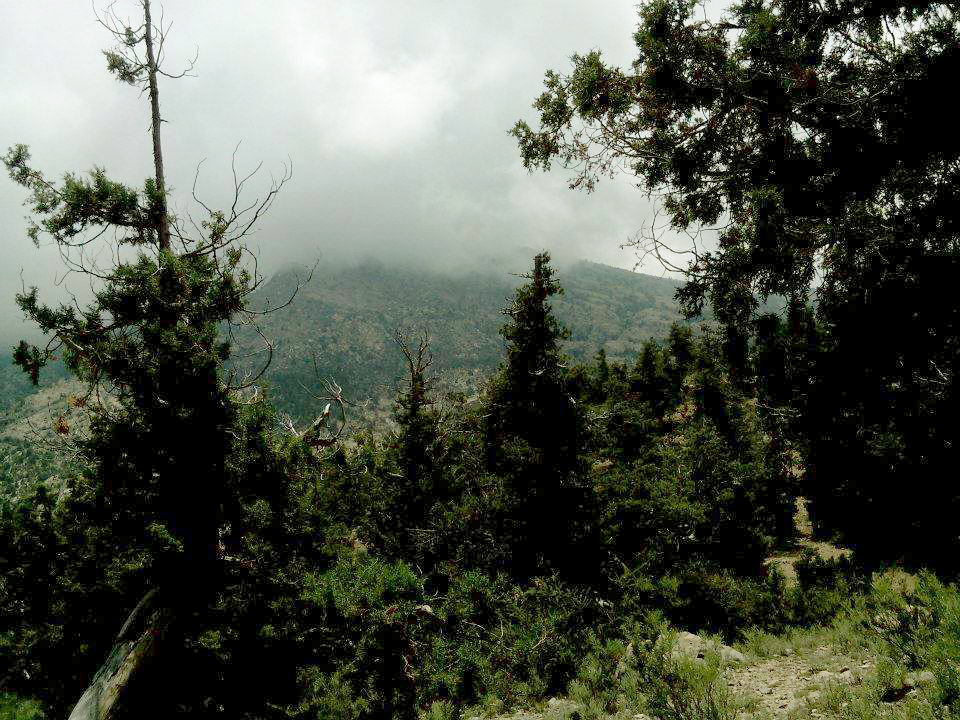
The oldest forest in Pakistan is the Ziarat Juniper Forest. Located in the Ziarat district of Balochistan, this forest covers approximately 110,000 hectares and is recognized as the world’s second largest juniper forest. The Ziarat Juniper Forest is home to some of the oldest living trees on the planet, with estimates suggesting that some juniper trees in this forest are over 5,000 years old. The longevity and historical significance of these trees make Ziarat Juniper Forest a natural wonder of immense value.
Unveiling Pakistan’s Ancient Green Gem: The Oldest Forest
Geographical Location and Natural Beauty:
Situated around 8,000 feet above sea level, the Ziarat Juniper Forest is nestled in the rugged terrain of the Ziarat district. The area is characterized by its mountainous landscape, with rolling hills and deep valleys creating a picturesque backdrop. The forest is predominantly composed of juniper trees, scientifically known as Juniperus excelsa polycarpos. These trees, with their gnarled trunks and dense foliage, add to the forest’s distinct and ancient appearance.
Ecological Significance:
The Ziarat Juniper Forest holds significant ecological importance. Junipers are drought-resistant trees that thrive in arid and semi-arid environments. They play a crucial role in preventing soil erosion, maintaining water balance, and providing habitat for various plant and animal species. The forest also serves as a carbon sink, helping to mitigate the effects of climate change by absorbing carbon dioxide from the atmosphere. The unique ecosystem of the Ziarat Juniper Forest supports a diverse range of flora and fauna, making it a vital component of the region’s biodiversity.
Biodiversity and Wildlife:
The Ziarat Juniper Forest is a haven for biodiversity. It provides a sanctuary for numerous wildlife species, including several that are rare and endangered. Birds such as the crested hawk-eagle, woodpeckers, and a variety of migratory species are commonly found in the forest. Mammals like jackals, foxes, and the elusive snow leopard have been reported in the area. The forest floor is adorned with a variety of shrubs, grasses, and wildflowers, thriving in the unique microclimate created by the junipers. The rich biodiversity of the Ziarat Juniper Forest highlights its importance as a conservation site.
Cultural and Historical Importance:
The Ziarat Juniper Forest holds deep cultural and historical significance for the local communities. The juniper tree, locally known as “Snoubar,” has been revered for its medicinal properties and is used in various traditional remedies. The forest is also closely tied to local traditions and folklore, contributing to the cultural heritage of the Ziarat region. The ancient trees are often seen as symbols of wisdom and longevity, reflecting the historical and spiritual connections of the communities with the forest.
Conservation Efforts:
Efforts to conserve and protect the Ziarat Juniper Forest are of paramount importance. The forest has been designated as a Biosphere Reserve by UNESCO, emphasizing its unique biodiversity and the need for sustainable management. Conservation initiatives focus on reforestation, preventing illegal logging, and raising awareness about the forest’s ecological value. Local communities are actively involved in these efforts, recognizing the importance of preserving this natural treasure for future generations. The conservation of the Ziarat Juniper Forest not only ensures the survival of ancient trees but also supports the overall health of the ecosystem.
Tourism and Economic Impact:
The Ziarat Juniper Forest is a popular destination for eco-tourism and nature enthusiasts. Visitors to the forest can enjoy guided tours, hiking trails, and peaceful picnics amidst the ancient trees. Tourism in the region has also led to the development of local businesses, including guesthouses, restaurants, and craft shops, providing livelihoods for the local population. Sustainable tourism practices are encouraged to ensure that the natural beauty and ecological integrity of the forest are maintained. The economic benefits of tourism highlight the importance of balancing conservation efforts with opportunities for community development.
The Ziarat Juniper Forest stands as a living testament to the resilience and beauty of nature. As the oldest forest in Pakistan, it offers a glimpse into the ancient past while serving as a vital component of the country’s natural heritage. The efforts to conserve and protect this remarkable ecosystem are not only crucial for the environment but also for the cultural and economic well-being of the region. By supporting these initiatives, we can ensure that the Ziarat Juniper Forest continues to thrive and inspire generations to come.
Sources: To ensure the accuracy and authenticity of the information provided, the following sources were referenced:
- UNESCO – Ziarat Juniper Forest
- Balochistan Wildlife Department
- Eco-Tourism in Ziarat