Excerpt: This post answers the questions “Which is the least populated district of Pakistan? Which district of Pakistan has least population? Which is Pakistan’s least populated district?”
Pakistan, a country known for its diverse culture, landscapes, and rich history, is divided into numerous administrative districts. Each district has its own unique characteristics, population, and significance. While some districts are densely populated and bustling with activity, others are sparsely populated and quieter. Understanding which district holds the title of the least populated can offer insights into the demographic and geographical variations within the country.
Which is the Least Populated District of Pakistan?
In terms of population, the least populated district in Pakistan is Harnai. Located in the province of Balochistan, Harnai is distinguished by its small population size, hardly 127,571 inhabitants and unique geographical features. This district, though lesser-known, plays a crucial role in the administrative structure of Pakistan.
Harnai District Balochistan
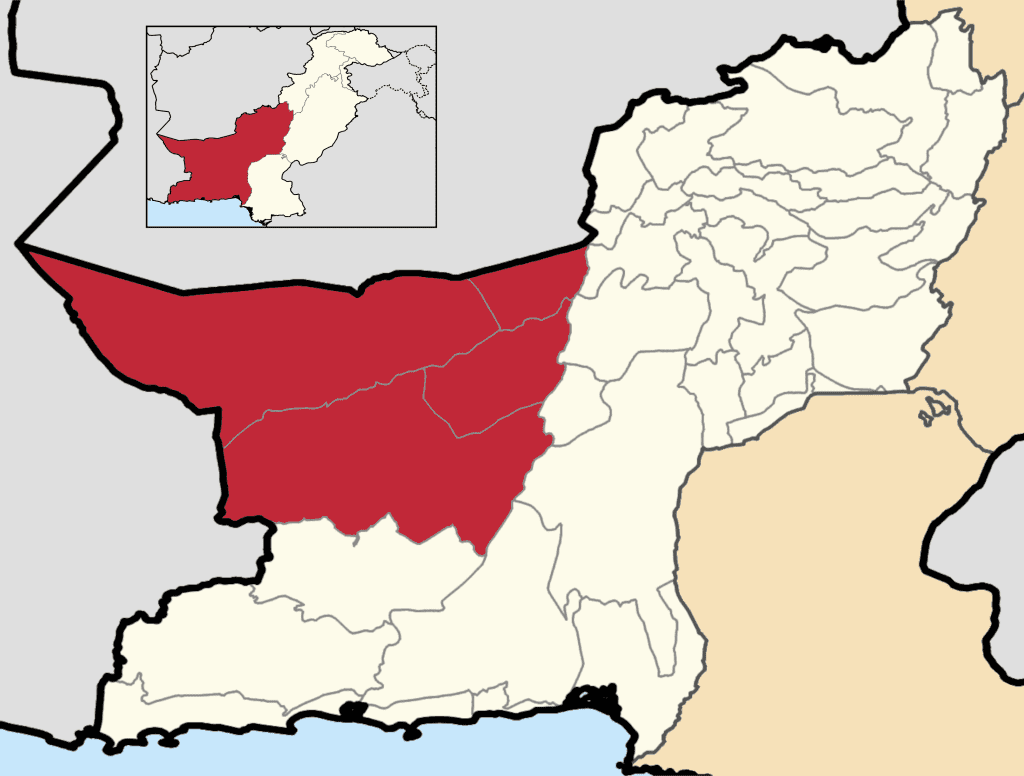
Geographic Location and Size
Harnai District is situated in the northeastern part of Balochistan. It shares borders with several other districts, including Ziarat, Sibi, and Loralai. The district’s terrain is predominantly mountainous, with rugged landscapes and a mix of natural beauty and challenging environments. The total area of Harnai District is relatively small compared to other districts in Pakistan.
Historical Significance
Harnai has a rich historical background, with influences from various civilizations and cultures over the centuries. The area has witnessed significant events and changes, contributing to its historical importance. The district is home to several archaeological sites and landmarks that reflect its past and attract historians and researchers.
Economy and Livelihood
The economy of Harnai District is primarily based on agriculture and mining. The fertile lands in certain areas support the cultivation of crops such as wheat and barley. Additionally, Harnai is known for its coal mines, which are a significant source of income and employment for the local population. Livestock farming is also a common livelihood in the district, with many families relying on cattle, goats, and sheep for sustenance.
Demographics and Culture
The population of Harnai District is small, making it the least populated district in Pakistan. The residents of Harnai are predominantly Baloch, with a mix of Pashtun communities. The local culture is influenced by traditional Balochi customs, including music, dance, and festivals. The people of Harnai are known for their hospitality and strong sense of community, maintaining a close-knit social structure.
Tourism and Attractions
While Harnai may not be a major tourist destination, it offers several attractions for those interested in exploring off-the-beaten-path locations. The district’s natural beauty, including its mountains and valleys, provides opportunities for trekking and hiking. Additionally, the archaeological sites in Harnai offer a glimpse into the region’s historical significance. Visitors can experience the local culture and traditions by interacting with the friendly residents and participating in traditional festivities.
Harnai District’s distinction as the least populated district in Pakistan highlights its unique position within the country’s administrative and geographical landscape. Despite its small population size, Harnai plays a significant role in the region’s economy, culture, and history. Understanding the least populated district provides valuable insights into the diverse and varied nature of Pakistan’s districts, each contributing to the country’s rich tapestry in its own way.
Source: To ensure the accuracy and authenticity of the information provided, the following sources were referenced:
- Harnai District – Wikipedia
- Harnai History – Balochistan High Court
- Harnai District – Pakistan Bureau of Statistics