Excerpt: This post answers the questions “Which is the largest river in Pakistan? What is the name of longest river of Pakistan? Which is Pakistan’s largest river?”
Rivers have always been the lifeblood of civilizations, providing water for drinking, agriculture, and industry. They serve as vital transportation routes, support rich ecosystems, and are a source of inspiration for culture and art. In Pakistan, one river stands out due to its immense size, historical importance, and critical role in the country’s development. This blog post will explore the fascinating details of this river, its significance, and its impact on the region.
Which is the Largest River in Pakistan?
The largest river in Pakistan is the Indus River. Spanning an impressive length and coursing through diverse landscapes, the Indus River is not only the longest river in Pakistan but also one of the most significant rivers in South Asia. It holds a pivotal place in the history, culture, and economy of Pakistan, and its influence extends far beyond its banks.
The Indus River: Lifeline Of Pakistan
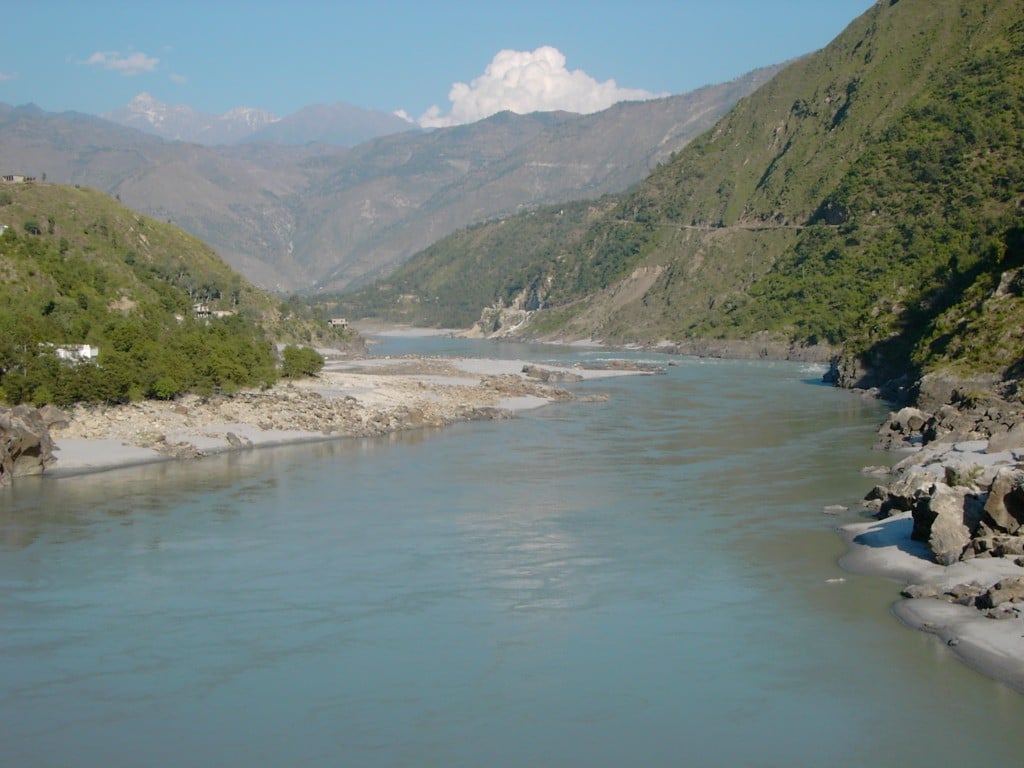
The Indus River originates in the Tibetan Plateau, near Lake Mansarovar. It flows through the region of Ladakh in India and then enters Pakistan, where it traverses the entire length of the country from the northern territories to the Arabian Sea. Covering approximately 3,180 kilometers (1,976 miles), the Indus River is a lifeline for millions of people.
Historical Significance
The Indus River has been central to the development of one of the world’s earliest civilizations, the Indus Valley Civilization. This ancient civilization, which flourished around 2500 BCE, was known for its advanced urban planning, architecture, and trade networks. The major cities of Harappa and Mohenjo-Daro, located along the banks of the Indus, are testament to the river’s role in shaping human history.
Throughout history, the Indus River has been a crucial waterway for trade, migration, and cultural exchange. It has witnessed the rise and fall of empires and has been a witness to numerous historical events that have shaped the region.
Cultural Importance
The Indus River holds immense cultural significance for the people of Pakistan. It is often referred to as the “father of rivers” and is deeply embedded in the folklore, traditions, and religious practices of the region. The river is celebrated in poetry, music, and art, and it continues to inspire generations of writers and artists.
Festivals and rituals are frequently held along the banks of the Indus, and it remains a symbol of cultural identity and pride for the people of Pakistan. The river also plays a role in the spiritual beliefs of various communities, who regard its waters as sacred.
Ecological Impact
The Indus River supports a rich and diverse ecosystem that includes various species of fish, birds, and other wildlife. The river’s delta, where it meets the Arabian Sea, is home to mangrove forests and wetlands that provide habitat for numerous plant and animal species.
However, the ecological balance of the Indus River is under threat due to pollution, over-extraction of water, and climate change. Efforts are being made to protect and preserve the river’s natural resources to ensure the sustainability of its ecosystem.
Economic Contribution
The Indus River is the backbone of Pakistan’s economy. It provides water for irrigation, which is crucial for the country’s agriculture sector. The fertile plains of the Indus basin are known as the “breadbasket” of Pakistan, producing crops such as wheat, rice, cotton, and sugarcane. The river’s water is also used for hydropower generation, contributing to the country’s energy needs.
In addition to agriculture and energy, the Indus River supports various industries, including fishing, transportation, and tourism. Its economic contributions are vital for the livelihoods of millions of people and for the overall development of the country.
Which is the longest river in Pakistan?
The longest river in Pakistan is also the Indus River. The 3,180 Kilometers long Indus River is the main source of irrigation and water supply for home use. Around two-thirds of water supplied for irrigation and in homes come from the Indus and its associated rivers.
In conclusion, the Indus River is not just the largest river in Pakistan; it is a lifeline that has shaped the history, culture, and economy of the region. Its waters have nurtured civilizations, supported rich ecosystems, and provided sustenance for generations. As we face the challenges of water management and environmental conservation, the Indus River serves as a reminder of the critical role that rivers play in sustaining life and fostering growth. Protecting and preserving the Indus River is essential for the continued prosperity of Pakistan and its people.
Sources: To ensure the accuracy and authenticity of the information provided, the following sources were referenced:
- Indus River – Encyclopedia Britannica
- Indus Valley Civilization – Ancient History Encyclopedia
- Rivers of Pakistan – Pakistan Water Gateway
- Ecological Significance of Indus River – WWF Pakistan
- Important Rivers of Pakistan – Ministry of Federal Education and Training
- List of Rivers of Pakistan – Wikipedia
- Indus River | Length, Map, History, Facts – Britannica