
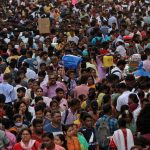
Excerpt: This post answers the questions “Which is the largest district of Khyber Pakhtunkhwa (KPK) by Population? Which is the most populated district of KPK? Which is Khyber Pakhtunkhwa biggest district by Population?”
Khyber Pakhtunkhwa (KPK), a province in the northwestern region of Pakistan, is known for its diverse landscapes, rich cultural heritage, and vibrant history. The province is divided into several districts, each unique in its own way. These districts contribute significantly to the overall population and socio-economic fabric of the province. Among these, one district stands out as the most populous, playing a pivotal role in the province’s development and culture. Let’s explore this district in detail, focusing on its population and other attributes.
Which is the largest district of Khyber Pakhtunkhwa (KPK) by Population?
Peshawar, the capital city of Khyber Pakhtunkhwa, holds the distinction of being the largest district in the province by population. This bustling metropolis, with its rich history and vibrant culture, is home to a diverse and growing population.
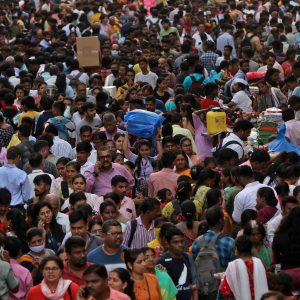
Population Statistics
The total population of Peshawar District as of 2023 report is 10,035,171, which makes it the most densely populated district in Khyber Pakhtunkhwa. The city’s population density is significantly higher compared to other districts, reflecting its importance as a major urban center. Peshawar’s strategic location, economic opportunities, and educational institutions contribute to its growing population.
Geographical Significance
Peshawar is situated in the northeastern part of KPK, near the eastern end of the Khyber Pass, close to the border with Afghanistan. The district’s geography is a blend of urban areas, fertile plains, and mountainous regions. The city’s proximity to the Khyber Pass has historically made it a key trading route between South Asia and Central Asia.
Historical Background
Peshawar is one of the oldest cities in South Asia, with a history that dates back over 2,000 years. It has been a center of various civilizations, including the Gandhara civilization, Persian Empire, and Mughal Empire. The city has seen numerous invasions and rulers, each leaving their mark on its culture and architecture.
The historical significance of Peshawar is evident in its many archaeological sites and monuments. Notable landmarks include the Bala Hissar Fort, a symbol of the city’s resilience, and the Peshawar Museum, which houses artifacts from the Gandhara period.
Peshawar District: An Overview
Economic Hub
Peshawar serves as the economic hub of Khyber Pakhtunkhwa. The city’s economy is diverse, with key sectors including trade, manufacturing, agriculture, and services. The bustling markets of Peshawar, such as Qissa Khwani Bazaar and Saddar Bazaar, are famous for their vibrant trade activities.
The city’s strategic location near the Khyber Pass makes it a crucial trade route, facilitating commerce between Pakistan and Afghanistan. Peshawar’s economy also benefits from its agricultural hinterlands, where crops like wheat, maize, and sugarcane are cultivated.
Educational and Health Facilities
Peshawar is a major educational center, home to numerous schools, colleges, and universities. The University of Peshawar, founded in 1950, is one of the oldest and most prestigious institutions in the province. Other notable institutions include Khyber Medical University and Peshawar Institute of Cardiology.
In terms of healthcare, Peshawar boasts several hospitals and medical facilities that cater to the needs of its large population. Lady Reading Hospital, one of the oldest hospitals in the region, provides a wide range of medical services. The city is also home to numerous private clinics and specialized healthcare centers.
Cultural Melting Pot
Peshawar is a cultural melting pot, reflecting the diverse heritage of its inhabitants. The city is known for its traditional Pashtun culture, which is characterized by hospitality, bravery, and strong social bonds. Pashto is the predominant language spoken, along with Hindko and Urdu.
The city’s cultural richness is evident in its festivals, music, and cuisine. Traditional events such as Jashn-e-Peshawar and cultural shows celebrate the city’s heritage. Peshawari cuisine, with its rich flavors and aromatic spices, is famous throughout Pakistan. Dishes like Chapli Kebab, Peshawari Naan, and Kabuli Pulao are local favorites.
Challenges and Opportunities
Despite its significance, Peshawar faces several challenges, including rapid urbanization, traffic congestion, and environmental issues. The city is working towards addressing these challenges through various development projects and infrastructure improvements.
At the same time, Peshawar offers numerous opportunities for growth and development. Its strategic location, vibrant economy, and cultural heritage make it an attractive destination for investment and tourism. The city’s potential for economic and social development is immense, provided that its challenges are effectively managed.
In conclusion, Peshawar stands as the largest district of Khyber Pakhtunkhwa by population, reflecting its vital role in the province’s socio-economic and cultural landscape. The city’s historical significance, economic importance, and diverse heritage make it a key player in the region. By understanding the unique attributes of Peshawar, we can appreciate its contribution to the overall development of KPK and Pakistan. As Peshawar continues to grow and evolve, it holds the promise of a bright and prosperous future.
Source: To ensure the accuracy and authenticity of the information provided, the following sources were referenced:
- KP Districts – Pakhtunkhwa Official Website
- Peshawar District – Wikipedia
- List of Districts in KPK – Wikipedia
- District at Glance – PBS

