Excerpt: This post answers the questions “Which is the largest desert in Pakistan? What is the name of largest desert area of Pakistan? Which is the largest desert in Pakistan?”
Pakistan is home to diverse landscapes, from towering mountains to vast plains, and picturesque coastal regions. Among these varied terrains are the country’s arid deserts, which hold historical, cultural, and geographical significance. One of these deserts stands out as the largest and most iconic in Pakistan, showcasing the unique beauty and challenges of desert life.
Which is the Largest Desert in Pakistan?
The largest desert in Pakistan is the Thar Desert, often known simply as the “Great Indian Desert” due to its expansive reach into both India and Pakistan. It spans over an area of 175,000 Square Kilometers and is the largest desert of Pakistan.
This desert is a remarkable geographical feature, rich in history and cultural significance. Let’s delve into the details of the Thar Desert and understand why it stands apart as the largest in Pakistan.
Thar; The Great Indian Desert
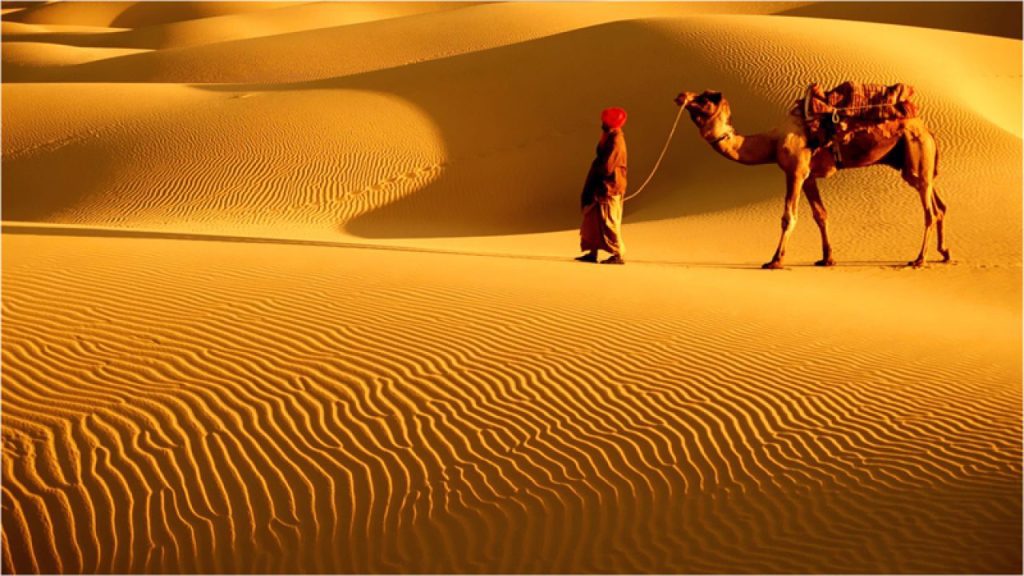
Geographical Extent and Location
The Thar Desert, also known as the Cholistan Desert within Pakistan, stretches across the southeast of the country, spanning the provinces of Punjab and Sindh. The desert covers an area of about 200,000 square kilometers. It forms a part of the larger Thar region, with its extensive sand dunes and arid landscapes extending into the Indian state of Rajasthan. Locally known as the Cholistan Desert, it spreads over 6,565 square kilometers within Pakistan, contributing to its title of the largest desert in the country.
Climate and Vegetation
The Thar Desert experiences an extreme climate, characterized by intense heat and little rainfall. Summers are scorching hot, with temperatures reaching as high as 50°C, while winters are relatively cooler but still dry. The desert receives an average annual rainfall of less than 250 mm, mostly during the monsoon season from July to September.
Despite its harsh conditions, the Thar Desert boasts a unique ecosystem with adapted flora and fauna. Vegetation consists of hardy shrubs, grasses, and occasional acacia trees that resiliently withstand the desert climate. This sparse vegetation not only supports the local wildlife but also the livelihoods of the indigenous communities.
Cultural and Historical Significance
The Thar Desert is not just a barren land; it is a region rich in culture and history. It is home to a vibrant mix of communities, each with its own traditions, customs, and way of life. The Cholistan Desert, in particular, is known for its annual Jeep Rally, which attracts participants and spectators from all over Pakistan and beyond.
Historically, the region has been a crossroads of various civilizations, from ancient trade routes to the Mughal Empire’s grand structures. The majestic Derawar Fort, a historic landmark, sits at the edge of the desert, serving as a reminder of the area’s historical importance.
Economic Activities
Despite the challenging environment, the Thar Desert supports a range of economic activities. The local population primarily engages in livestock farming, including raising camels, goats, sheep, and cattle. The livestock is well-suited to the desert climate and provides a source of income and sustenance for the desert dwellers.
In recent years, efforts have been made to harness the desert’s potential for renewable energy. Wind and solar power projects have been initiated in the Thar region to capitalize on its vast open spaces and abundant sunlight. These initiatives aim to provide sustainable energy solutions and contribute to the region’s development.
Tourism and Attractions
The Thar Desert’s unique landscape and rich heritage make it an intriguing destination for tourists. Eco-tourism and cultural tourism are on the rise, with visitors exploring the sand dunes, historical sites, and local culture. Camel rides, desert safaris, and traditional performances are some of the activities that attract tourists to this magnificent desert.
One of the notable attractions in the Cholistan Desert is the Cholistan Desert Rally, an annual event that showcases off-road racing. This event draws motorsport enthusiasts from across the globe, highlighting the desert’s adventurous side.
The Thar Desert stands as a testament to the resilience and beauty of nature in the face of adversity. It is the largest desert in Pakistan, offering a fascinating glimpse into the country’s diverse landscapes and rich cultural heritage. From its geographical spread to its historical significance and economic prospects, the Thar Desert is a vital part of Pakistan’s identity. Whether you are a traveler seeking adventure, a historian tracing ancient routes, or an environmentalist exploring renewable energy, the Thar Desert holds something unique for everyone.
Sources: To ensure the accuracy and authenticity of the information provided, the following sources were referenced:
- Thar Desert – Encyclopaedia Britannica
- Climate of Thar Desert – Pakistan Meteorological Department
- The Great Indian Desert (Thar) – UNESCO World Heritage Centre
- Cholistan Desert Wildlife Sanctuary – Punjab Wildlife