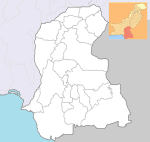
Excerpt: This post answers the questions “Which is the largest city in Sindh Pakistan? What is the largest city in Sindh Pakistan? Which is Sindh largest city?”
Sindh, a province known for its rich cultural heritage, diverse population, and historical significance, is home to some of Pakistan’s most bustling and vibrant cities. Each city in Sindh offers a unique blend of tradition and modernity, contributing to the province’s overall charm and significance. In this blog post, we will explore the largest city in Sindh, delving into its historical importance, cultural diversity, and modern developments.
Which is the largest city in Sindh Pakistan?
The largest city in Sindh, Pakistan, is Karachi. According to the 2023 census, Karachi has a population of approximately 18,868,021 people, making it not only the largest city in Sindh but also the largest city in Pakistan. Karachi is a city that offers a unique blend of historical landmarks, cultural festivities, and modern advancements, making it a significant urban center in the country.
Karachi: An Overview

Historical Significance
Karachi has a rich and storied history that dates back over a thousand years. It was originally a small fishing village known as Kolachi, which gradually grew into a bustling port city due to its strategic location along the Arabian Sea. The city’s historical significance is evident in its numerous architectural marvels, colonial-era buildings, and historical landmarks.
During the British colonial era, Karachi became an important administrative and commercial hub for the British Indian Empire. The construction of the Karachi Port and the establishment of various institutions and infrastructure projects transformed the city into a major center of trade and commerce. The influence of the British era is still visible in the city’s colonial architecture, such as the Frere Hall, Empress Market, and the Karachi Cantonment.
Karachi’s historical significance is also marked by its role in the creation of Pakistan. The city was the first capital of Pakistan after independence in 1947 and played a crucial role in the early development of the country. The Quaid-e-Azam’s Mausoleum, the final resting place of Pakistan’s founding father, Muhammad Ali Jinnah, is a prominent historical landmark in Karachi.
Cultural Diversity
Karachi is often referred to as the “City of Lights” and is renowned for its vibrant cultural diversity. The city is a melting pot of various ethnic groups, languages, and traditions, making it a true cosmopolitan city. The residents of Karachi, known as Karachiites, are known for their hospitality, warmth, and strong sense of community.
Karachi’s cultural diversity is celebrated through various festivals, events, and activities that take place throughout the year. One of the most prominent cultural events in Karachi is the Karachi Literature Festival, which attracts writers, poets, and intellectuals from around the world. The festival features literary discussions, book launches, and cultural performances, providing a platform for literary enthusiasts to engage and connect.
Another significant cultural event in Karachi is the Karachi Eat Food Festival, which showcases the city’s diverse culinary scene. The festival brings together food vendors, chefs, and food lovers to celebrate the rich flavors and culinary traditions of Karachi. From traditional Pakistani dishes to international cuisines, the festival offers a delightful gastronomic experience for attendees.
Karachi’s rich cultural heritage is also reflected in its music and arts scene. The city is home to numerous cultural institutions, art galleries, and music venues that promote and support local artists and performers. The National Academy of Performing Arts (NAPA) and the Pakistan National Council of the Arts (PNCA) are among the prominent cultural institutions in Karachi that contribute to the city’s vibrant arts scene.
Modern Developments
Karachi has undergone significant urbanization and infrastructure development over the years, transforming it into a modern metropolis. The city’s development projects include the construction of new roads, flyovers, and commercial centers, aimed at improving connectivity and enhancing the quality of life for its residents.
One of the notable modern developments in Karachi is the Karachi Metrobus System, which provides an efficient and affordable mode of transportation for the city’s residents. The metrobus system connects various parts of the city, making it easier for people to commute and explore Karachi.
Karachi is also a major economic hub, with a diverse economy that includes various sectors such as trade, manufacturing, services, and finance. The city’s industrial zones, commercial centers, and business districts attract investors and entrepreneurs, creating job opportunities and boosting the city’s economy. The Karachi Stock Exchange, one of the oldest and largest stock exchanges in Pakistan, plays a crucial role in the country’s financial market.
In addition to its economic significance, Karachi is home to several modern educational institutions, healthcare facilities, and recreational areas. The city boasts some of Pakistan’s most prestigious universities, colleges, and research centers, such as the University of Karachi, Aga Khan University, and the Institute of Business Administration (IBA). These institutions provide quality education and contribute to the intellectual growth of the nation.
The healthcare infrastructure in Karachi has also seen significant improvements, with the establishment of modern hospitals, clinics, and healthcare centers. The Aga Khan University Hospital and Jinnah Postgraduate Medical Centre are among the leading healthcare facilities in the city, providing a wide range of medical services to the residents of Karachi and beyond.
Karachi’s recreational areas, such as parks, shopping malls, and sports complexes, provide residents with opportunities for leisure and entertainment. Clifton Beach, with its scenic coastline and recreational facilities, is a popular destination for both locals and tourists. The city also offers a range of cultural and entertainment venues, including theaters, cinemas, and concert halls, catering to diverse interests and preferences.
Tourism and Attractions
Karachi’s unique blend of historical, cultural, and modern attractions makes it a popular destination for tourists from around the world. The city’s historical sites, such as the Quaid-e-Azam’s Mausoleum, Mohatta Palace, and the Karachi Port, offer visitors a chance to explore its rich heritage and history.
For nature lovers, the nearby Karachi Harbour and Manora Island provide a serene escape from the hustle and bustle of the city. The picturesque landscapes, clear waters, and recreational activities make these destinations ideal for day trips and outdoor adventures.
Karachi’s shopping scene is equally diverse, with modern shopping malls like Dolmen Mall and LuckyOne Mall offering a wide range of international and local brands. The city’s traditional markets, such as Saddar and Zainab Market, are perfect for those looking to buy traditional clothing, handicrafts, and souvenirs.
The city’s culinary scene is a highlight for food enthusiasts, with a wide range of restaurants, cafes, and food streets offering delectable dishes from around the world. From the famous Burns Road food street to upscale dining establishments, Karachi’s culinary offerings cater to diverse tastes and preferences.
Karachi, the largest city in Sindh, Pakistan, is a city of immense historical, cultural, and modern significance. Its rich heritage, vibrant cultural scene, and continuous development make it a unique and dynamic urban center. By understanding and appreciating Karachi’s unique attributes, we can gain a deeper insight into the overall beauty and diversity of Sindh and Pakistan. Whether you’re a history enthusiast, food lover, or curious traveler, Karachi has something special to offer for everyone.