Excerpt: This post answers the questions “Which is the coldest desert in Pakistan? What is the name of coldest desert of Pakistan? Which desert in Pakistan is the coldest desert?”
In the diverse landscape of Pakistan, where towering mountain ranges, lush valleys, and vast arid regions coexist, one might be surprised to find a desert that experiences extremely cold temperatures. Typically associated with scorching heat and endless sand dunes, deserts can also be home to unique climates, including frigid environments. Pakistan has such a remarkable desert that defies conventional desert traits by being notably cold.
Which is the Coldest Desert in Pakistan?
The coldest desert in Pakistan is the Katpana Desert. This desert is unique not only for its cold climate but also for its stunning features that make it a significant part of Pakistan’s natural heritage. Let’s explore the Katpana Desert more comprehensively to understand why it holds the title of the coldest desert in the country.
The Katpana Desert: An Overview
Geographical Location and Extent
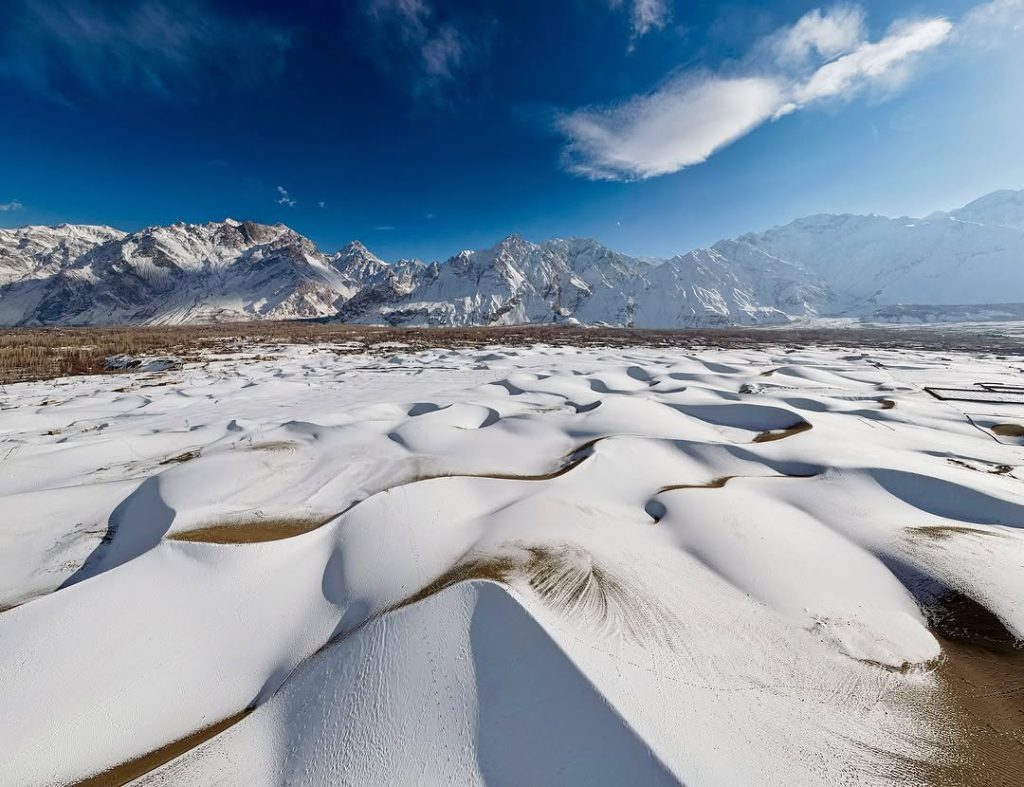
The Katpana Desert, also known as the Cold Desert, is situated in the northern region of Pakistan, near the city of Skardu in Gilgit-Baltistan. Nestled at an altitude of around 2,226 meters (7,303 feet) above sea level, this desert is one of the highest deserts in the world. It spans an area of several hundred square kilometers, characterized by vast sand dunes that give it a traditional desert appearance, but with a twist — these dunes often get covered in snow during the winter months.
Climate and Weather Conditions
Unlike typical deserts, the Katpana Desert experiences a cold desert climate. Winters are extremely harsh, with temperatures plummeting to as low as -25°C (-13°F), making it one of the most frigid deserts globally. The cold climate persists for most of the year, with only short summers providing a brief respite from the freezing temperatures. Precipitation is minimal, but the snowfall during the winter transforms the sandy landscape into a winter wonderland — a rare sight for a desert.
Flora and Fauna
The harsh climate and high altitude have led to the adaptation of unique flora and fauna in the Katpana Desert. Vegetation is sparse but includes hardy shrubs and grasses that can survive the cold and arid conditions. The fauna in this cold desert is just as interesting, with species such as snow leopards, ibex, and unique bird species finding refuge in this extreme environment. The desert’s ecosystem supports a delicate balance of life, adapted to the cold and inhospitable conditions.
Cultural and Historical Significance
The Katpana Desert holds cultural significance for the local communities living in and around Skardu. The area’s unique geography and climate have shaped the lifestyle and traditions of the inhabitants. The desert is a popular site for local festivals and activities, reflecting the vibrant culture of Gilgit-Baltistan.
Historically, the region has seen different civilizations use its geographical advantages. The ancient trade routes passing through Gilgit-Baltistan, including the Silk Road, have left a lasting influence on the cultural fabric of the area. The cold desert, with its unique landscape, has always been an integral part of this historical and cultural narrative.
Tourism and Attractions
The Katpana Desert’s unique blend of cold climate and desert landscape makes it a fascinating destination for tourists. It’s not every day that one gets to experience a desert covered in snow! The desert’s proximity to Skardu, a major tourist hub, makes it easily accessible to visitors looking for extraordinary natural beauty and adventure.
Popular activities in the Katpana Desert include jeep safaris, dune bashing, and camping under the clear sky. The desert also offers breathtaking views of the surrounding mountains and valleys, adding to the allure of the region. Nighttime in the Katpana Desert can be particularly mesmerizing, with stargazers having the opportunity to witness a stunning celestial display without light pollution.
Economic Activities
The harsh and cold environment of the Katpana Desert limits traditional economic activities, but the local communities have adapted to these challenging conditions. Livestock farming, particularly of yaks, sheep, and goats, is a common livelihood. These animals are well-suited to the climate and provide essential resources such as milk, meat, and wool.
In recent years, tourism has become an important economic driver for the region. The unique characteristics of the cold desert attract a growing number of visitors each year, boosting local businesses and creating employment opportunities. Efforts are ongoing to develop sustainable tourism that respects and preserves the delicate ecosystem of the Katpana Desert.
The Katpana Desert, with its title of the coldest desert in Pakistan, is a testament to the diverse and surprising landscapes that nature has to offer. Its unique climate, geographical features, and cultural significance make it a fascinating destination for travelers and a vital part of Pakistan’s natural heritage. Whether you’re seeking adventure in the snowy dunes or exploring the vibrant culture of Gilgit-Baltistan, the Katpana Desert offers an unforgettable experience.
Sources: To ensure the accuracy and authenticity of the information provided, the following sources were referenced:
- Katpana Cold Desert – Pakistan Tourism Development Corporation PTDC
- Climate of Katpana Desert – Pakistan Meteorological Department PMD
- Wildlife of Cold Deserts – World Wildlife Fund
- Katpana Desert – Wikipedia