Excerpt: This post answers the questions “Which is largest natural forest in Pakistan? Which is Pakistan’s largest natural forest? What is the name of largest natural forest of Pakistan?”
Pakistan is home to a vast array of natural wonders, from its towering mountain peaks to its expansive deserts and lush green valleys. Among these treasures lie some of the most awe-inspiring forests, each with its own unique ecological significance. Today, we’ll explore the largest natural forest in Pakistan, a pristine landscape teeming with flora and fauna, which plays a crucial role in the country’s biodiversity and ecological balance.
Which is the Largest Natural Forest in Pakistan?
The largest natural forest in Pakistan is the Sulaiman Forest. This forest is particularly famous for its extensive groves of Chilghoza pine (Pinus gerardiana) trees. Located in the Sulaiman Mountain range, the forest spans across regions of Khyber Pakhtunkhwa and Balochistan provinces, creating a vital green lung that supports a diverse ecosystem and provides essential resources to local communities.
Discovering Pakistan’s Largest Natural Forest
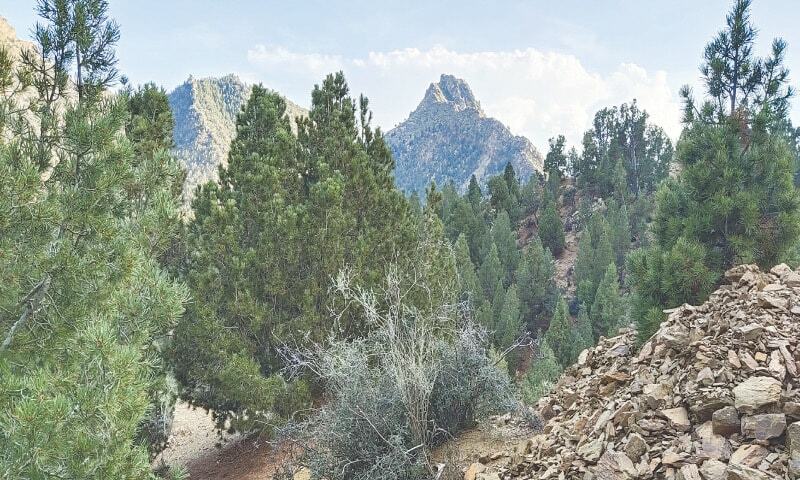
Geographical Location and Natural Beauty:
The Sulaiman Forest stretches across the rugged Sulaiman Mountains, which run between Pakistan and Afghanistan. This vast forest area is predominantly found in the provinces of Khyber Pakhtunkhwa and Balochistan. The forest’s terrain ranges from high mountain peaks to deep valleys, creating a mosaic of diverse habitats. The natural beauty of the Sulaiman Forest is characterized by its Chilghoza pine trees, which cover the hillsides and add to the picturesque landscape.
Ecological Significance:
The Sulaiman Forest is of immense ecological importance. The Chilghoza pine trees are a vital part of the region’s ecosystem. These trees are not only a source of food for wildlife but also act as a crucial part of the local economy. The pine nuts harvested from these trees are highly valued both nationally and internationally. Additionally, the forest plays a key role in soil conservation and water regulation, helping to maintain the environmental balance in the region.
Biodiversity and Wildlife:
The Sulaiman Forest is a haven for biodiversity. It supports a variety of wildlife, including several species of mammals, birds, and reptiles. The forest is home to animals such as leopards, wolves, wild goats, and porcupines. Birdwatchers will find a rich avian diversity here, with species like the Balochistan Monal Pheasant and various types of vultures and eagles. The forest’s flora also includes a variety of shrubs, grasses, and medicinal plants that thrive in the unique microclimate of the Sulaiman Mountain range.
Cultural and Economic Importance:
The Chilghoza pine nuts, collected from the Sulaiman Forest, hold significant economic value for the local communities. These nuts are a source of livelihood for many families in the region, providing income through both local sale and export. The forest is also deeply intertwined with the cultural practices of the indigenous tribes, who have historically relied on its resources for sustenance and medicine.
Conservation Efforts:
Given its ecological and economic importance, various conservation efforts are underway to protect the Sulaiman Forest. These initiatives aim to prevent deforestation, promote sustainable harvesting of pine nuts, and protect the habitat of the forest’s diverse wildlife. Community participation is at the heart of these efforts, with local residents being actively involved in conservation programs. Reforestation projects and the establishment of protected areas are also key components of the conservation strategy.
Tourism and Future Prospects:
The Sulaiman Forest has great potential as an ecotourism destination. Visitors can experience the stunning natural beauty, observe wildlife in their natural habitat, and enjoy hiking and trekking in the scenic mountains. Responsible tourism can bring economic benefits to local communities while ensuring the conservation of the forest. With proper management and sustainable practices, the Sulaiman Forest can continue to thrive and contribute to the well-being of future generations.
Comparison between Ziarat and Sulaiman Forest
The Ziarat Juniper Forest is indeed one of Pakistan’s most significant natural forests, both in terms of size and ecological importance. However, it is specifically noted for being the second largest juniper forest in the world, rather than the largest natural forest overall in Pakistan.
The largest natural forest in Pakistan, in terms of area and overall tree variety, is considered to be the Sulaiman Forest. This forest is renowned for its Chilghoza pine trees and spans a large area in the Sulaiman Mountains across Khyber Pakhtunkhwa and Balochistan provinces.
Conclusion
The Sulaiman Forest stands as a testament to Pakistan’s rich natural heritage and biodiversity. As the largest natural forest in the country, it plays an essential role in supporting wildlife, sustaining local economies, and maintaining ecological balance. Efforts to conserve and protect this precious natural resource are crucial for ensuring its longevity and the continued prosperity of the communities that depend on it. By fostering a deeper understanding and appreciation of the Sulaiman Forest, we can all contribute to its preservation and celebrate the remarkable beauty of Pakistan’s natural landscapes.
Sources: To ensure the accuracy and authenticity of the information provided, the following sources were referenced:
- Sulaiman Forest – Balochistan Forest Department
- The Sulaiman Forest – KP Wild Forest Conservation