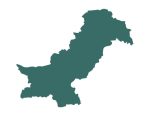
Excerpt: This post answers the questions “Which city is called Paris of Pakistan? Which city of Pakistan is known by the name Mini Paris of Pakistan? Which Pakistani city has the nickname Mini Paris of Pakistan?”
In the rich tapestry of Pakistan’s cities, there is one that has been compared to the famous European capital known for its elegance and charm. This city earned a special nickname during a period of significant cultural and economic growth. It became a symbol of modernity and cosmopolitanism, attracting people from all walks of life. Known for its vibrant atmosphere, architectural beauty, and cultural diversity, this city continues to hold a special place in the hearts of its residents and visitors. In this blog post, we will explore the city that was often referred to as the “Paris of Pakistan,” delving into its fascinating attributes and the reasons behind its esteemed title.
Which City is Called Paris of Pakistan?
The city that was often called the “Paris of Pakistan” till late 1970s is Karachi. Today, the city has lost all its beauty because of terrorism, communal conflicts and low to zero infrastructure development.
Located in the southern region of Pakistan, Karachi is the largest city and the financial hub of the country. Let’s take a closer look at the various aspects of Karachi that contributed to its reputation as the Paris of Pakistan during the 1960-70s.
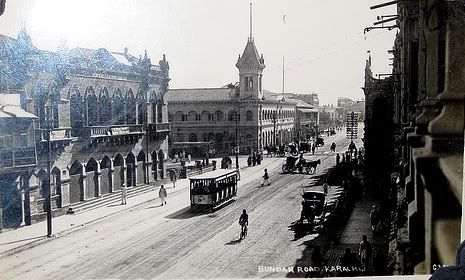
Historical Significance
Karachi has a rich history that dates back to ancient times. Originally a small fishing village, it transformed into a bustling port city during the British colonial era. Karachi served as the capital of Pakistan from 1947 to 1963 before the capital was moved to Islamabad. During this period, Karachi witnessed rapid development and modernization, becoming a center of commerce, culture, and education.
Cultural Hub
One of the key factors that contributed to Karachi’s reputation as the “Paris of Pakistan” was its vibrant cultural scene. The city was known for its thriving arts and entertainment industry, with numerous theaters, cinemas, and cultural institutions. The National Academy of Performing Arts (NAPA) and the Karachi Arts Council played a significant role in promoting the performing arts and cultural activities in the city. Karachi was also home to many literary figures, artists, and musicians, making it a cultural melting pot.
Architectural Beauty
Karachi’s architectural beauty was another factor that drew comparisons to Paris. The city boasted a blend of colonial-era buildings and modern infrastructure, creating a unique and picturesque urban landscape. Iconic landmarks such as the Frere Hall, the Mohatta Palace, and the Empress Market showcased the city’s architectural heritage. The Clifton Beach area, with its upscale neighborhoods and modern buildings, added to Karachi’s charm and elegance.
Economic Prosperity
During the 1960s, Karachi experienced significant economic prosperity. The city was the commercial and financial hub of Pakistan, attracting businesses and investors from around the world. The port of Karachi was a major gateway for international trade, contributing to the city’s economic growth. The establishment of industrial zones and business centers further boosted Karachi’s economy, making it a dynamic and thriving metropolis.
Cosmopolitan Lifestyle
Karachi’s cosmopolitan lifestyle was a defining feature of the city in the 1960s. The city was home to people from diverse ethnic, religious, and cultural backgrounds, creating a vibrant and inclusive society. This diversity was reflected in the city’s cuisine, festivals, and social life. Karachi’s restaurants, cafes, and nightclubs were bustling with activity, offering a wide range of culinary delights and entertainment options. The city’s fashion and shopping scene also flourished, with boutiques and markets offering the latest trends and styles.
Educational Institutions
Karachi was also known for its educational institutions, which played a significant role in shaping the city’s intellectual and cultural landscape. The University of Karachi, established in 1951, became a leading center of higher education and research. Other prestigious institutions, such as the Sindh Madressatul Islam University and the Dow University of Health Sciences, contributed to the city’s academic excellence. These institutions attracted students and scholars from across the country, further enhancing Karachi’s reputation as a center of learning.
Challenges and Resilience
Despite its many strengths, Karachi faced several challenges, including political instability, urbanization, and infrastructural issues. However, the resilience and determination of its residents helped the city overcome these challenges and continue to thrive. The spirit of Karachi’s people, known for their entrepreneurial drive and adaptability, played a crucial role in maintaining the city’s status as a vibrant and dynamic metropolis.
Modern Karachi
Today, Karachi remains a key economic and cultural hub of Pakistan. The city continues to grow and evolve, with ongoing investments in infrastructure, education, and technology. Karachi’s port remains a vital gateway for international trade, and the city’s diverse economy includes industries such as textiles, manufacturing, finance, and IT. The city’s cultural scene is as vibrant as ever, with numerous festivals, art exhibitions, and cultural events taking place throughout the year.
Future Prospects
Karachi’s future prospects look promising, with continued efforts to address the city’s challenges and promote sustainable development. The city’s strategic location, diverse population, and economic potential position it well for future growth and prosperity. Initiatives to improve infrastructure, enhance public services, and promote environmental sustainability are essential to ensuring Karachi’s continued success as a leading metropolis.
In conclusion, Karachi’s title as the “Paris of Pakistan” in the 1960s was well-deserved, given its cultural vibrancy, architectural beauty, and economic prosperity. The city’s rich history, cosmopolitan lifestyle, and resilience make it a unique and dynamic place. Whether you are interested in exploring its historical landmarks, experiencing its diverse culture, or understanding its economic significance, Karachi offers a fascinating and multifaceted experience. As the city continues to grow and develop, it remains a beloved destination that embodies the spirit of progress and modernity, much like the Paris of the East.
Source: To ensure the accuracy and authenticity of the information provided, the following sources were referenced:
- Karachi – Wikipedia