
Excerpt: This post answers the questions “Which cities are called twin cities in Pakistan? Which cities are commonly referred to as the twin cities in Pakistan? Which are twin cities in Pakistan?”
In Pakistan, there are two cities that are often mentioned together due to their close proximity, strong economic ties, and shared cultural and administrative significance. These cities, located in different provinces, function together as a major hub for politics, commerce, and tourism. Their intertwined histories and collaborative infrastructure make them unique in the context of Pakistan. In this blog post, we will explore the cities that are referred to as the “twin cities” in Pakistan, delving into their attributes and the reasons behind their esteemed title.
Which Cities Are Called Twin Cities in Pakistan?
The cities that are often called the “twin cities” in Pakistan are Islamabad and Rawalpindi. Located in close proximity to each other, these cities are known for their interconnectedness and mutual dependence. Let’s take a closer look at the various aspects of Islamabad and Rawalpindi that contribute to their reputation as the twin cities of Pakistan.
Geographical Proximity
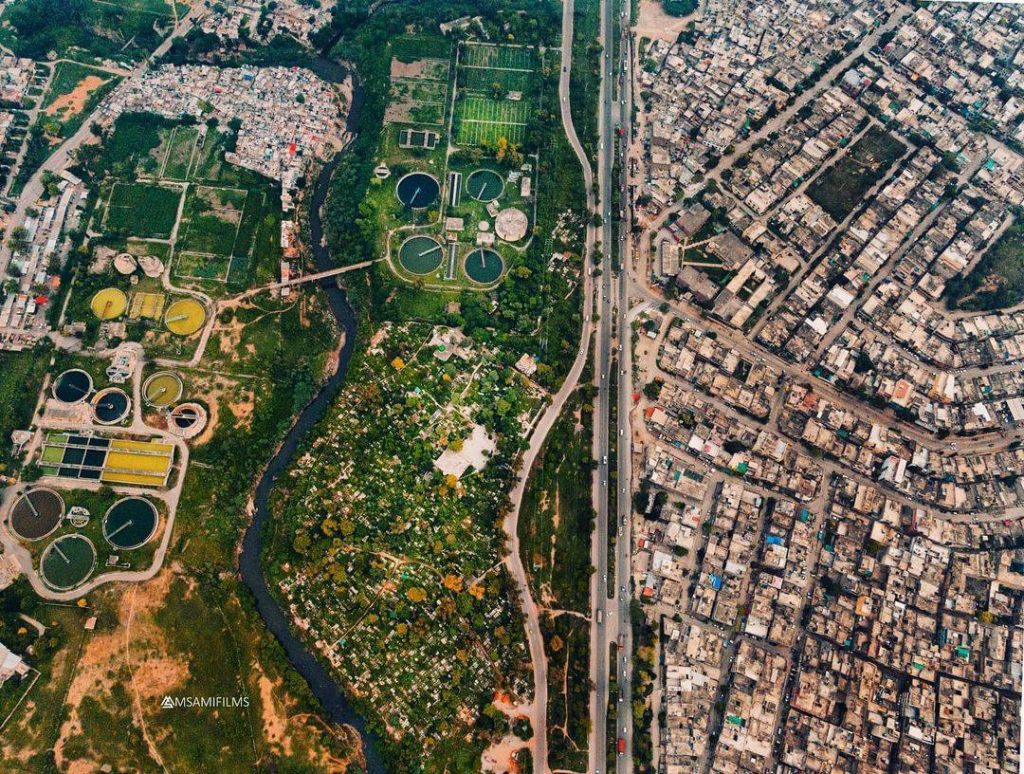
Islamabad and Rawalpindi are situated adjacent to each other, with a distance of just a few kilometers separating them. Islamabad is the capital city of Pakistan and is located in the Islamabad Capital Territory, while Rawalpindi is part of the Punjab province. Their geographical proximity allows for easy movement and connectivity between the two cities, making them functionally integrated.
Historical Significance
Rawalpindi, often referred to as Pindi, has a rich history that dates back to ancient times. It has been a significant center for trade and military activities for centuries. Rawalpindi served as the interim capital of Pakistan from 1959 to 1963 while Islamabad was being constructed. Islamabad, on the other hand, is a relatively new city, officially established in the 1960s as the purpose-built capital of Pakistan. The city’s design and layout were meticulously planned by the Greek architect and town planner, Constantinos Apostolou Doxiadis.
Administrative Significance
Islamabad serves as the political and administrative heart of Pakistan. It is home to the country’s federal government, including the Parliament House, the Supreme Court, and the President’s House. The city also hosts foreign embassies and diplomatic missions. Rawalpindi, though not the capital, plays a crucial role in the country’s military and administrative structure. The Pakistan Army’s General Headquarters (GHQ) is located in Rawalpindi, making it a key military hub.
Economic Interdependence
Islamabad and Rawalpindi share strong economic ties and interdependence. Islamabad, being the capital, hosts numerous government offices, international organizations, and businesses. Rawalpindi, with its bustling markets, industrial zones, and commercial centers, complements Islamabad’s economic activities. The presence of Rawalpindi’s thriving business community and industrial base supports Islamabad’s growing economy, creating a symbiotic relationship between the two cities.
Cultural Connections
Despite their differences, Islamabad and Rawalpindi share cultural connections that bind them together. Rawalpindi is known for its traditional bazaars, historic landmarks, and vibrant street life. The city’s rich cultural heritage is reflected in its festivals, crafts, and cuisine. Islamabad, being a planned city, offers a more modern and organized environment with wide tree-lined avenues, green belts, and parks. The city’s cultural institutions, such as the Pakistan National Council of the Arts (PNCA) and Lok Virsa Museum, promote arts, culture, and heritage.
Infrastructure and Connectivity
The infrastructure and connectivity between Islamabad and Rawalpindi are well-developed, facilitating easy movement of people and goods. The two cities are connected by major roads and highways, including the Islamabad Expressway and Murree Road. The Metro Bus Service, which runs between the two cities, provides efficient and affordable public transportation for commuters. The proposed Rawalpindi Ring Road and Islamabad-Rawalpindi Metro Rail project aim to further enhance connectivity and ease traffic congestion between the twin cities.
Educational Institutions
Both Islamabad and Rawalpindi are home to prestigious educational institutions that contribute to the region’s intellectual and cultural growth. Islamabad boasts some of the top universities and research centers in Pakistan, including:
- Quaid-i-Azam University: A leading institution in higher education and research, offering programs in science, humanities, and social sciences.
- International Islamic University: Providing education in various disciplines with an emphasis on Islamic studies and values.
- National University of Sciences and Technology (NUST): Known for its engineering and technology programs, one of the top-ranked universities in Pakistan.
Rawalpindi also hosts several renowned educational institutions, such as:
- Fatima Jinnah Women University: One of the leading universities for women’s education in Pakistan.
- Army Medical College (AMC): A prestigious medical institution affiliated with the National University of Medical Sciences (NUMS).
Future Prospects
The future prospects for Islamabad and Rawalpindi look promising, with ongoing investments in infrastructure, education, and economic development. The cities’ focus on sustainable urban planning and green initiatives ensures that they remain models of urban growth and environmental stewardship. Efforts to enhance connectivity, promote tourism, and support business activities are essential to maintaining the twin cities’ status as key hubs in Pakistan.
In conclusion, Islamabad and Rawalpindi’s title as the “twin cities” of Pakistan is well-deserved, given their geographical proximity, historical significance, and interconnectedness. The cities’ rich cultural heritage, modern infrastructure, and economic interdependence make them unique and dynamic places. Whether you are interested in exploring their historical landmarks, enjoying their green spaces, or understanding their cultural and administrative significance, Islamabad and Rawalpindi offer a fascinating and multifaceted experience. As the twin cities continue to grow and develop, they remain beloved destinations that embody the essence of collaboration and progress in Pakistan.
Source: To ensure the accuracy and authenticity of the information provided, the following sources were referenced:
- Rawalpindi Development Authority – RDA
- Rawalpindi – Wikipedia

