
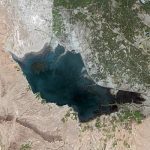
Excerpt: This post answers the questions “What is the source of Manchar Lake? How Manchar Lake gets its water? What is the water source of Manchar Lake?”
In the arid landscapes of southern Pakistan, there exists a vast freshwater lake that plays a crucial role in the region’s ecology and livelihoods. This lake, renowned for its scenic beauty and historical significance, is a vital source of water for both agricultural and domestic use. In this blog post, we will explore the source and depth of this remarkable lake, shedding light on its importance and the challenges it faces.
What is the Source of Manchar Lake?
Main source of Manchar Lake is Kirthar Mountains. It collects water from numerous small streams in the Kirthar Mountains. It was formed when a branch of the Indus River flowed from Kashmore. It also receives water from the river through a series of canals and distributaries. These include the Aral Wah, Danister Wah, and Rice Canal, which channel water into the lake, particularly during the flood season.
The monsoon rains also play a significant role in replenishing the lake’s water levels. During the rainy season, the catchment area around Manchar Lake receives substantial rainfall, which flows into the lake, contributing to its overall volume. This combination of river water and rainfall ensures that Manchar Lake remains a vital freshwater resource for the region.
Additionally, the lake is connected to the surrounding wetlands and marshes, which act as natural filters, purifying the water before it enters the lake. These wetlands also serve as habitats for various bird species, making Manchar Lake an important site for birdwatching and biodiversity conservation.

Environmental Challenges
Despite its significance, Manchar Lake faces several environmental challenges. One of the most pressing issues is pollution, primarily caused by industrial waste, agricultural runoff, and untreated sewage. These pollutants degrade the water quality, affecting both the ecosystem and the communities that rely on the lake for their livelihoods.
Another major challenge is the reduced inflow of water from the Indus River due to upstream water extraction and dam construction. This has led to a decline in the lake’s water levels, exacerbating the problem of salinity. High salinity levels not only harm aquatic life but also make the water unsuitable for irrigation and drinking.
Efforts are being made to address these challenges through better water management practices, pollution control measures, and conservation initiatives. However, sustained efforts are needed to restore and preserve the ecological balance of Manchar Lake.
What is the Depth of Manchar Lake?
Manchar Lake is relatively shallow compared to other freshwater lakes. The average depth of the lake varies depending on the season and water inflow, but it generally ranges between 2.5 to 4 meters (8 to 13 feet). During periods of heavy rainfall and high water inflow from the Indus River, the lake’s depth can increase, providing a more substantial water reserve.
The lake’s shallow depth makes it vulnerable to evaporation, particularly during the hot summer months. This further exacerbates the problem of reduced water levels, highlighting the need for effective water management strategies to ensure the lake’s sustainability.
Importance of Manchar Lake’s Depth
The depth of Manchar Lake plays a crucial role in maintaining its ecological balance and supporting the local communities. The lake’s waters are a lifeline for agriculture, providing irrigation for crops such as rice, wheat, and sugarcane. The lake also supports a thriving fishing industry, which is a primary source of income for many local residents.
Moreover, Manchar Lake serves as a critical habitat for various bird species, including migratory birds that visit the lake during the winter months. The shallow waters and surrounding wetlands provide ideal conditions for these birds to feed and nest, contributing to the region’s biodiversity.
Efforts to maintain and improve the depth of Manchar Lake are essential for preserving its ecological health and ensuring the well-being of the communities that depend on it. This includes measures to control pollution, regulate water extraction, and promote sustainable agricultural practices.
Manchar Lake, with its unique source and relatively shallow depth, is a vital freshwater resource in the Sindh province of Pakistan. Its importance extends beyond providing water for agriculture and domestic use; it also plays a crucial role in supporting local biodiversity and the livelihoods of countless communities. As we continue to explore and appreciate the natural wonders of Pakistan, it is essential to prioritize the conservation and sustainable management of Manchar Lake. By addressing the environmental challenges it faces, we can ensure that future generations will continue to benefit from and enjoy the tranquility and beauty of this remarkable lake.
Source: To ensure the accuracy and authenticity of the information provided, the following sources were referenced:
- Manchar Lake – Wikipedia
- Manchar Lake – Living Indus
- Manchar Lake – Sindh Irrigation Department

