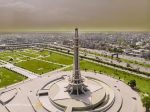
Excerpt: This post answers the questions “What is the second name of Minar-e-Pakistan? What is the other name of Minar-e-Pakistan? What is the nickname of Minar-e-Pakistan?”
In the heart of Lahore, a city known for its rich cultural heritage and historical significance, stands a towering symbol of national pride and resilience. This monument, with its intricate design and imposing height, has become synonymous with the aspirations and dreams of a nation. Erected at a site of monumental historical importance, this structure is not just a physical entity but a beacon of hope and unity for millions. Its name echoes in the hearts of Pakistanis, and its second name holds an equally significant place in the nation’s history.
What is the Second Name of Minar-e-Pakistan?
The second name of Minar-e-Pakistan is the “Tower of Pakistan” or“Liberty Tower of Pakistan.” This alternative name encapsulates the essence of the monument and its role in the nation’s history. Minar-e-Pakistan, or the Tower of Pakistan, stands as a testament to the Lahore Resolution of 1940, which was a critical milestone in the struggle for Pakistan’s independence. The resolution, passed on March 23, 1940, marked the formal demand for a separate homeland for the Muslims of the Indian subcontinent.
The Historical Significance of the Tower
The Lahore Resolution
The Lahore Resolution, also known as the Pakistan Resolution, was a pivotal event in the history of Pakistan. It was during the All India Muslim League’s annual session held at Minto Park (now Iqbal Park) in Lahore that the resolution was passed. This resolution called for the creation of independent states for Muslims in the north-western and eastern zones of India, where they were in the majority. The passing of this resolution laid the foundation for the eventual creation of Pakistan on August 14, 1947.
Design and Construction
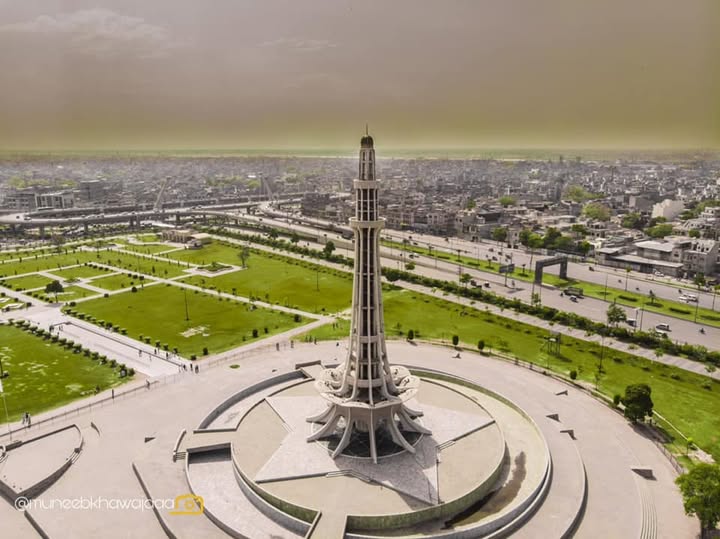
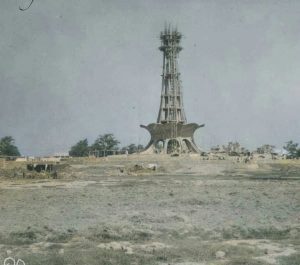
Minar-e-Pakistan was designed by the renowned architect Nasreddin Murat-Khan, and its construction began in 1960. The design of the tower incorporates elements of Mughal, Islamic, and modern architecture, symbolizing the blend of cultural heritage and contemporary aspirations. The base of the tower is shaped like a flower, representing the blossoming of a new nation. The construction of Minar-e-Pakistan was completed in 1968, and it stands at an impressive height of 70 meters.
Symbolism of the Tower
The Tower of Pakistan is more than just an architectural marvel; it is a symbol of the nation’s unity and resilience. The tower’s structure is divided into four stages, each representing different phases of Pakistan’s history. The base reflects the difficult times faced by the Muslims of India before independence. The middle stages signify the struggles and sacrifices made during the independence movement, while the upper stages represent the eventual realization of their dreams and the establishment of Pakistan as a sovereign state.
A Place of Reflection
Minar-e-Pakistan serves as a place of reflection and inspiration for the people of Pakistan. It is a reminder of the sacrifices made by countless individuals who fought for the nation’s independence. The tower’s location in Iqbal Park, named after the poet-philosopher Allama Iqbal, adds to its significance. Allama Iqbal’s vision of a separate homeland for Muslims played a crucial role in shaping the ideology behind the creation of Pakistan.
Cultural and Social Impact
A Symbol of National Pride
Minar-e-Pakistan stands as a proud symbol of Pakistan’s national identity. It is a place where citizens from all walks of life come together to celebrate their shared heritage and commemorate important national events. The tower is often illuminated during national holidays and significant occasions, creating a mesmerizing sight that fills the hearts of Pakistanis with pride and patriotism.
A Tourist Attraction
The Tower of Pakistan is also a popular tourist attraction, drawing visitors from across the country and around the world. Tourists are captivated by the tower’s stunning architecture and the historical significance it embodies. The surrounding Iqbal Park provides a serene environment for visitors to explore and learn about the nation’s history.
Educational Value
Minar-e-Pakistan holds immense educational value for the younger generations. School trips to the tower are common, where students learn about the Lahore Resolution, the independence movement, and the significance of the tower in Pakistan’s history. The monument serves as a tangible link to the past, helping students connect with the struggles and aspirations of their forefathers.
In conclusion, the second name of Minar-e-Pakistan, the “Tower of Pakistan,” reflects the monument’s profound significance in the nation’s history. Standing tall in the heart of Lahore, this iconic structure symbolizes the dreams, sacrifices, and resilience of a nation that fought for its independence. Minar-e-Pakistan is not just an architectural marvel but a beacon of hope and unity for millions of Pakistanis. Its legacy continues to inspire and remind us of the values and principles upon which the nation was founded.
Source: To ensure the accuracy and authenticity of the information provided, the following sources were referenced:
- Minar e Pakistan – Wikipedia