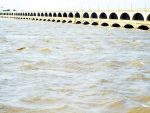
Excerpt: This post answers the questions “What is the real name of Sukkur Barrage? What is the original name of Sukkur Barrage? What is the old name of Sukkur Barrage?”
Barrages are vital hydraulic structures that play a crucial role in water management and irrigation. They help control river flow, provide irrigation water, and support flood control measures. One of the most important barrages in Pakistan is located on the Indus River, serving as a key infrastructure project for the region. This blog post will explore the real name of this barrage and provide detailed information about its significance and history.
What is the Real Name of Sukkur Barrage?
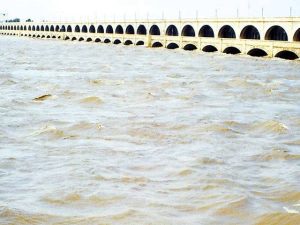
The real name of Sukkur Barrage is the Lloyd Barrage. It was built in 1923-32 and was named after Sir George Ambrose Lloyd, the then Governor of Bombay, who played a significant role in its construction and development. The barrage was later commonly referred to as the Sukkur Barrage due to its location near the city of Sukkur in the Sindh province of Pakistan.
Who was Lloyd?
Sir George Ambrose Lloyd: Sir George Ambrose Lloyd, 1st Baron Lloyd, was a British politician and colonial administrator who served as the Governor of Bombay from 1918 to 1923. Born on September 17, 1879, in London, England, Lloyd had a distinguished career in public service and played a pivotal role in several development projects during his tenure.
Role in Construction of the Barrage: As the Governor of Bombay, Sir George Lloyd recognized the need for an extensive irrigation system to support agriculture in the Sindh region. He was instrumental in advocating for the construction of the barrage on the Indus River, which would provide much-needed water for irrigation and help control floods in the area. The barrage was named in his honor to acknowledge his contributions to the project’s initiation and development.
Contributions and Legacy: Sir George Lloyd’s vision and efforts in promoting irrigation and water management projects left a lasting impact on the region. The Lloyd Barrage, now known as the Sukkur Barrage, remains a testament to his legacy and continues to play a vital role in supporting agriculture and water management in Pakistan.
Detailed Note on Sukkur Barrage
1. Historical Significance
Construction and Inauguration: The construction of the Sukkur Barrage began in 1923 and was completed in 1932. It was one of the most ambitious engineering projects of its time, designed to control the flow of the Indus River and provide irrigation water to the surrounding agricultural lands. The barrage was officially inaugurated by Sir George Ambrose Lloyd, further cementing its association with his name.
Engineering Marvel: The Sukkur Barrage was an engineering marvel of its era. It was constructed using advanced techniques and materials, featuring a series of gates and sluices to regulate water flow. The barrage spans approximately 1.6 kilometers (5,200 feet) and has 66 gates, each 18.3 meters (60 feet) wide. The structure’s design and construction set new standards for hydraulic engineering.
2. Importance and Impact
Irrigation and Agriculture: The primary purpose of the Sukkur Barrage is to provide irrigation water to the agricultural lands in the Sindh region. The barrage diverts water from the Indus River into seven major canals, which irrigate approximately 5 million acres of farmland. This irrigation system has transformed the region’s agriculture, enabling the cultivation of various crops and supporting the livelihoods of millions of people.
Flood Control: The Sukkur Barrage plays a crucial role in flood control by regulating the flow of the Indus River. During periods of heavy rainfall or increased river flow, the barrage’s gates can be adjusted to manage the water levels and prevent flooding in downstream areas. This flood control capability is essential for protecting lives, property, and agricultural lands from the devastating effects of floods.
Economic Impact: The Sukkur Barrage has a significant economic impact on the region. By providing reliable irrigation water, the barrage supports agricultural production and contributes to the local economy. The increased agricultural output has led to improved living standards for farmers and rural communities, enhancing overall economic development in the region.
3. Challenges and Future Prospects
Maintenance and Upgrades: Maintaining a large and complex structure like the Sukkur Barrage requires continuous monitoring and periodic upgrades. Over the years, efforts have been made to repair and upgrade the barrage to ensure its long-term sustainability. This includes addressing issues such as silt accumulation, structural integrity, and mechanical wear and tear.
Climate Change: Climate change poses challenges to water management projects like the Sukkur Barrage. Changing precipitation patterns, increased frequency of extreme weather events, and rising temperatures can affect water availability and the barrage’s operations. Adaptation measures and sustainable water management practices are essential to address these challenges and ensure the barrage’s continued functionality.
Future Projects: Several future projects aim to enhance the capabilities of the Sukkur Barrage and improve water management in the region. These projects include modernizing the existing infrastructure, expanding the canal system, and implementing advanced water management technologies. The goal is to ensure a reliable water supply for agriculture and other uses, even in the face of changing environmental conditions.
In conclusion, the real name of the Sukkur Barrage is the Lloyd Barrage, named in honor of Sir George Ambrose Lloyd, who played a crucial role in its construction and development. The barrage is a vital infrastructure project in Pakistan, providing irrigation water, flood control, and economic benefits to the Sindh region. Despite facing challenges such as climate change and maintenance requirements, the Sukkur Barrage remains a cornerstone of Pakistan’s water management system, supporting sustainable agricultural practices and contributing to the region’s prosperity.
Source: To ensure the accuracy and authenticity of the information provided, the following sources were referenced:
- Sukkur Barrage – Wikipedia
- Sukkur Barrage – Sindh Irrigation Department
- Lansdowne Bridge at Sukkur – Wikipedia