
Excerpt: This post answers the questions “What is the old name of Charsadda? What was Charsadda called before? What is the original name of Charsadda?”
In the heart of a historically rich and culturally diverse region lies a city that has witnessed the rise and fall of ancient civilizations. Known for its fertile lands, vibrant culture, and strategic location, this city has been a cradle of history for thousands of years. It has played a significant role in shaping the historical and cultural narratives of the region. Its roots are deeply embedded in antiquity, and it holds an old name that reflects its glorious past. This old name carries the essence of the city’s heritage and its importance in the ancient world.
What is the old name of Charsadda?
The old name of Charsadda is Pushkalavati. Derived from the Sanskrit language, Pushkalavati translates to “Lotus City.” The lotus, a symbol of purity and enlightenment, signifies the city’s importance in ancient times. Pushkalavati was the capital of the Gandhara civilization, an ancient kingdom that flourished in what is now northern Pakistan and parts of Afghanistan.
Pushkalavati was the capital of Gandhara from about the 6th century BC to the 2nd century AD. Even after the capital moved to Peshawar, Pushkalavati remained a centre of pilgrimage until the 7th century, thanks to the presence of an important Buddhist shrine.
The city of Pushkalavati is mentioned in historical texts and ancient records, showcasing its significance as a thriving urban center during the Gandhara era. It was a key hub for trade, culture, and learning, connecting South Asia with Central Asia and beyond.
Historical Significance of Pushkalavati
Pushkalavati was a prominent city during the Gandhara civilization, which existed around 6th century BCE to 11th century CE. The Gandhara kingdom was renowned for its art, culture, and Buddhism, and Pushkalavati was at its center. The city was strategically located near the confluence of the Swat and Kabul rivers, making it a vital trading hub along the ancient Silk Road.
The ruins of Pushkalavati, located in modern-day Charsadda, tell the story of a prosperous and advanced society. Archaeological excavations have uncovered remnants of ancient structures, including stupas, monasteries, and residential buildings, which reflect the architectural brilliance of that time. The city was also known for its role in spreading Buddhism, with monks and scholars traveling to and from Pushkalavati to exchange ideas and teachings.
Transition from Pushkalavati to Charsadda
Over the centuries, the region saw the rise and fall of various empires, including the Mauryans, Kushans, and Mughals. Each era brought changes to the city’s identity, yet the essence of Pushkalavati remained alive. The city eventually came to be known as Charsadda, named after the four main tribes that resided in the area.
Despite the change in name, Charsadda has retained its historical and cultural significance. The region continues to be a symbol of resilience and continuity, honoring its past while embracing modernity.
Modern Charsadda and Its Heritage
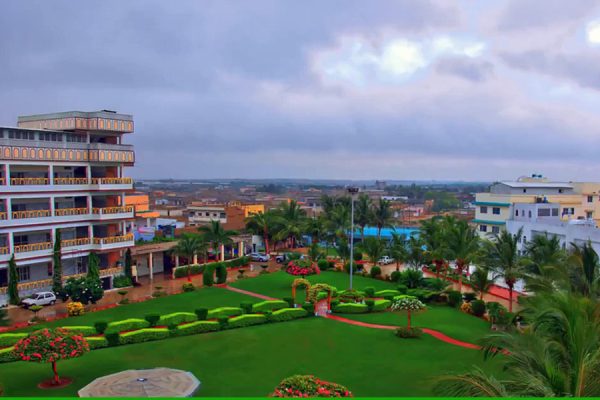
Today, Charsadda stands as a vibrant city that celebrates its historical roots. The ruins of Pushkalavati attract archaeologists, historians, and tourists from around the world, offering a glimpse into the rich history of the Gandhara civilization. The city also takes pride in its agricultural produce, particularly sugarcane and tobacco, which contribute to its economic growth.
Charsadda is not just a city of the past; it is a city that thrives in the present while keeping its ancient heritage alive. Its people are proud of their history, and their warm hospitality reflects the values passed down through generations.
The old name of Charsadda, Pushkalavati, serves as a reminder of the city’s glorious past and its role as a beacon of culture and learning in the ancient world. From its roots as the capital of the Gandhara civilization to its modern identity as Charsadda, the city has evolved while preserving the essence of its historical legacy. By exploring the ruins of Pushkalavati, we can connect with a time when this city was at the heart of a thriving civilization, shaping the cultural and intellectual fabric of the region.
Charsadda, with its ancient roots and modern charm, continues to stand as a testament to the enduring legacy of history and heritage. It is a city that inspires us to cherish the past while looking forward to the future.