Excerpt: This post answers the questions “What is the nickname of Peshawar? What is the second name of Peshawar? What is Peshawar called?”
Located at the crossroads of ancient trade routes, a city stands as one of the oldest living cities in South Asia, holding immense historical, cultural, and economic importance. With its bustling bazaars, rich culinary heritage, and a vibrant history that spans thousands of years, this city has long been a beacon of cultural diversity and resilience. Nestled in a region known for its breathtaking natural beauty, this city has a charm that captures the hearts of both residents and visitors alike. Among its many attributes, it has earned a poetic and beautiful nickname that reflects its historical and natural significance.
What is the nickname of Peshawar?
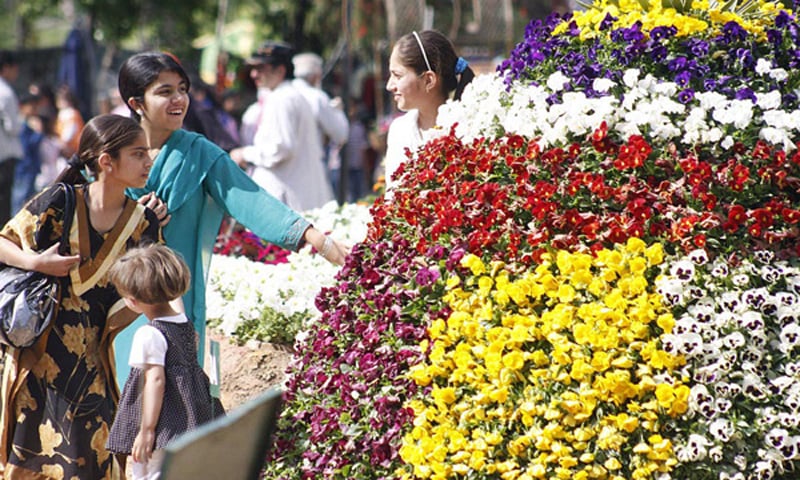
The nickname of Peshawar is “City of Flowers.” This name carries a deep-rooted symbolism that highlights the city’s beauty, its legacy, and its cultural history. The nickname is a reflection of the era when Peshawar was renowned for its lush gardens, blooming flowers, and natural splendor. While the city has evolved into a bustling urban center over the years, the essence of this nickname continues to resonate with its identity.
Why is it called the “City of Flowers”?
Peshawar’s title as the “City of Flowers” originates from its historical gardens and floral diversity. During the Mughal era, this city flourished as a center of art, culture, and beauty. The Mughals, who were known for their love of architecture and gardens, adorned Peshawar with stunning gardens like the Shahi Bagh (Royal Garden). These gardens were once filled with vibrant flowers, creating a picturesque environment that was unparalleled in its beauty.
The city’s fertile soil and favorable climate allowed a wide variety of flowers to bloom, earning it this endearing nickname. Even today, the local flora reflects the city’s legacy, as residents continue to cherish the beauty of nature.
Historical Significance of Peshawar
Peshawar has a rich and diverse history that dates back over 2,000 years. It served as a key trading hub on the ancient Silk Road, connecting Central Asia to the Indian subcontinent. The city has been influenced by a myriad of cultures, from Persians and Greeks to Mughals and the British. Each civilization that passed through this region left its mark, shaping the city’s identity.
The gardens and flowers for which Peshawar is known became symbolic of its hospitality, warmth, and cultural richness. Travelers and historians from centuries past wrote about the city’s beauty, making it a renowned destination in the region.
Modern Peshawar and Its Charm
Today, while urbanization has transformed much of the landscape, the spirit of the “City of Flowers” lives on. Peshawar’s residents take pride in their heritage and have preserved pockets of greenery and gardens that reflect the city’s history. Shahi Bagh, though modernized, remains a testament to the city’s love for natural beauty.
In addition to its gardens, the city’s bustling bazaars, such as Qissa Khwani Bazaar, showcase its vibrant culture. The traditional crafts, aromatic spices, and mouthwatering cuisine make Peshawar a city that continues to captivate its visitors.
Conclusion
Peshawar, the “City of Flowers,” is more than just a name—it is a reflection of the city’s soul. The nickname symbolizes the beauty, resilience, and cultural richness of a place that has stood the test of time. While modern life may have changed the city’s appearance, the essence of its floral heritage continues to bloom in the hearts of its people. From its historical gardens to its vibrant bazaars, Peshawar is a city that honors its past while embracing the future.
Whether you are drawn to its rich history, its delicious food, or its warm hospitality, Peshawar truly lives up to its nickname—a city that continues to blossom in every sense of the word.