Excerpt: This post answers the questions “What is the nickname of Multan? What is the other name of Multan? What is the second name of Multan?”
Multan is a historic city in Pakistan’s Punjab province that has witnessed centuries of human civilization. This ancient metropolis has a rich cultural heritage and has been an important center of trade, politics, and religion for millennia. The city is renowned for its unique architecture, bustling bazaars, and vibrant festivals. Visitors from around the world come to explore its ancient ruins, majestic mosques, and the serene atmosphere that envelops this historic locale.
What is the Nickname of Multan?
Multan is affectionately known as the “City of Saints.” This nickname stems from the city’s long association with Sufism and its status as a major center for the spread of Islam in South Asia. Multan has been a spiritual haven for countless Sufi saints and mystics who have left an indelible mark on the city’s cultural and religious fabric. These saints not only brought spiritual teachings but also contributed to the social and economic development of the region.
The city’s atmosphere is imbued with a sense of tranquility and spirituality, largely due to the numerous tombs and mausoleums that dot its landscape. These sacred sites are the resting places of revered Sufi saints who have attracted devotees for centuries. The presence of these saints has given Multan a reputation as a place of spiritual solace and enlightenment.
Tombs and Mausoleums of Saints
The Legacy of Sufi Saints in Multan
Multan’s identity as the “City of Saints” is closely tied to its rich history of Sufism. Sufism, a mystical branch of Islam, emphasizes the inward search for God and the direct personal experience of the divine. Sufi saints, or “pirs,” are highly respected figures who guide their followers on the spiritual path and are believed to possess divine wisdom and powers.
The Tomb of Shah Rukn-e-Alam
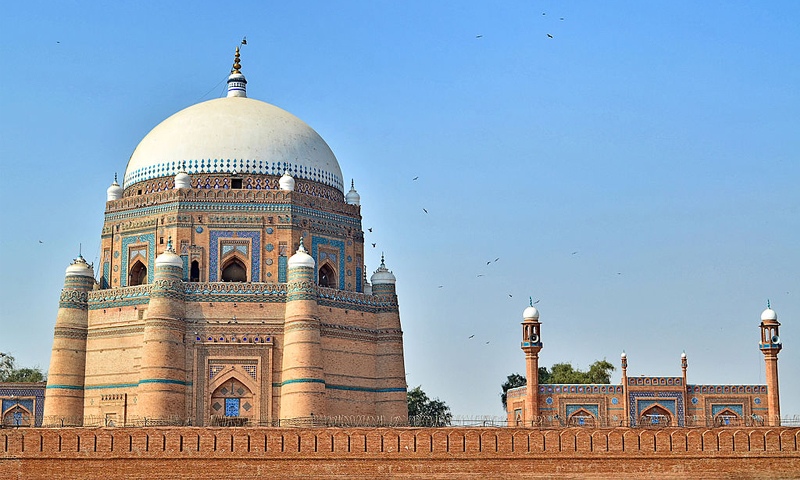
One of the most prominent and revered tombs in Multan is that of Shah Rukn-e-Alam. This magnificent mausoleum is an architectural masterpiece and a symbol of the city’s spiritual heritage. Built in the 14th century, the tomb features intricate tile work, a massive dome, and a strikingly beautiful facade. Shah Rukn-e-Alam was a renowned Sufi saint who played a significant role in spreading Islam in the region. His tomb attracts thousands of visitors and pilgrims who come to pay their respects and seek blessings.
The Shrine of Bahauddin Zakariya
Another iconic site in Multan is the shrine of Bahauddin Zakariya, a famous Sufi saint and scholar. Bahauddin Zakariya established a Sufi order in Multan and was instrumental in promoting Islamic teachings. His mausoleum, with its grand architecture and serene ambiance, is a place of pilgrimage for devotees from all over the world. The shrine is a testament to the saint’s enduring legacy and the deep spiritual roots of the city.
The Mausoleum of Shams Tabriz
The mausoleum of Shams Tabriz is another significant spiritual site in Multan. Shams Tabriz was a Sufi mystic and poet who is said to have had a profound influence on the famous Persian poet Rumi. The mausoleum, with its simple yet elegant design, exudes an aura of peace and spirituality. Devotees visit the site to seek spiritual guidance and to pay homage to the saint who has inspired generations of seekers.
The Tomb of Mai Maharban
The tomb of Mai Maharban is a lesser-known yet equally important site in Multan. Mai Maharban was a revered female saint who dedicated her life to spiritual pursuits and helping the needy. Her tomb, though modest in comparison to others, holds great significance for her followers. The site reflects the inclusive nature of Sufism and its emphasis on compassion and service.
In conclusion, Multan’s nickname as the “City of Saints” is a testament to its profound spiritual heritage and its enduring legacy of Sufism. The city’s numerous tombs and mausoleums of revered Sufi saints stand as symbols of its rich cultural and religious history. These sacred sites continue to attract devotees and visitors, offering them a glimpse into the spiritual heart of Multan. As a place of tranquility, wisdom, and enlightenment, Multan remains a beacon of spiritual solace for all who seek it.
Source: To ensure the accuracy and authenticity of the information provided, the following sources were referenced:
- Our History | Multan – Punjab Government Web Portal
- Multan – Wikipedia