Excerpt: This post answers the questions “What is the nickname of Islamabad? What is the other name of Islamabad? What is the second name of Islamabad?”
Pakistan’s capital city is renowned for its serene beauty, modern infrastructure, and well-planned layout. Nestled against the backdrop of the Margalla Hills, the city is an epitome of urban planning and natural harmony. Since its establishment, the city has grown to be a symbol of Pakistan’s progress and vision for the future. It is celebrated not only for its administrative significance but also for its captivating landscapes and lush greenery. This city, unlike many others, is often recognized by its charming nickname that perfectly captures its essence.
What is the Nickname of Islamabad?
Islamabad is affectionately known as the “Green City”. This nickname is a testament to the city’s abundant greenery, well-maintained parks, and tree-lined streets. The city’s planners prioritized the incorporation of natural elements into the urban environment, resulting in a city that boasts an impressive blend of modernity and nature. The nickname “Green City” reflects Islamabad’s commitment to environmental sustainability and its reputation as one of the most beautiful capitals in the world.
Islamabad is also often affectionately referred to as “Isloo” by its residents and those familiar with the city. This charming nickname adds a touch of endearment and familiarity to the capital city, reflecting the close-knit community and the deep affection people have for it. The term “Isloo” is commonly used in casual conversations and social media, highlighting the warmth and camaraderie among the residents of Islamabad.
The Greenery and Beauty of Islamabad
The Natural Landscape
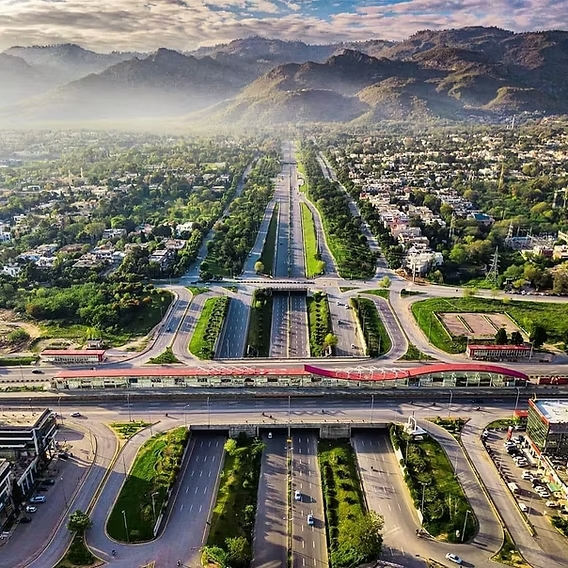
Islamabad’s natural landscape is a crucial element of its beauty. The city is located at the northern edge of the Pothohar Plateau and is surrounded by the picturesque Margalla Hills. These hills not only provide a stunning backdrop but also offer numerous recreational opportunities for residents and visitors alike. Hiking trails, picnic spots, and scenic viewpoints are some of the attractions that draw nature enthusiasts to the Margalla Hills. The lush greenery of the hills extends into the city, creating a seamless connection between urban life and nature.
Parks and Recreational Spaces
One of Islamabad’s most notable features is its well-planned parks and recreational spaces. The city is home to numerous parks, each offering a unique experience. The largest and most famous park in Islamabad is the Fatima Jinnah Park (F-9 Park). Spanning over 750 acres, this park is a haven for nature lovers, joggers, and families seeking a peaceful retreat. The park’s vast green spaces, walking trails, and play areas make it a popular destination for outdoor activities.
Another iconic green space is the Shakarparian National Park, which offers panoramic views of the city and the surrounding hills. The park is also home to the Pakistan Monument, a symbol of national unity and heritage. The meticulously maintained gardens and walking paths make Shakarparian a favorite spot for both locals and tourists.
Tree-Lined Streets and Avenues
Islamabad’s tree-lined streets and avenues are a defining characteristic of the city. The Capital Development Authority (CDA) has made concerted efforts to plant and maintain trees throughout the city, creating a refreshing and aesthetically pleasing environment. The main avenues, such as Constitution Avenue and Jinnah Avenue, are adorned with a variety of trees, including Amaltas, Gulmohar, and Jacaranda. These trees not only provide shade but also enhance the city’s beauty with their vibrant colors and seasonal blooms.
Environmental Sustainability
Islamabad’s commitment to environmental sustainability is evident in its urban planning and development initiatives. The city has implemented various green practices, including waste management, recycling programs, and the promotion of green building standards. Additionally, the CDA has launched campaigns to raise awareness about the importance of preserving the city’s natural environment. These efforts have contributed to Islamabad’s reputation as a model city for sustainable urban living.
Architectural Beauty
In addition to its natural beauty, Islamabad boasts impressive architectural landmarks that add to its charm. The Faisal Mosque, one of the largest mosques in the world, is an architectural marvel that blends modern design with traditional Islamic elements. Its iconic structure, set against the backdrop of the Margalla Hills, is a symbol of the city’s spiritual and cultural heritage.
Another significant landmark is the Pakistan Monument, which represents the four provinces and three territories of the country. The monument’s design is inspired by the petals of a blooming flower, symbolizing the unity and growth of the nation. These architectural gems, along with the city’s modern buildings and infrastructure, contribute to Islamabad’s unique character.
Islamabad’s nickname, the “Green City,” is a reflection of its dedication to preserving its natural environment and enhancing its urban beauty. The city’s lush landscapes, well-maintained parks, tree-lined streets, and sustainable practices make it a true gem among capital cities. Islamabad’s harmonious blend of modernity and nature creates a tranquil and inviting atmosphere for its residents and visitors. As the city continues to grow and evolve, its commitment to greenery and environmental sustainability remains unwavering, ensuring that Islamabad will always be cherished as the “Green City.”
Source: To ensure the accuracy and authenticity of the information provided, the following sources were referenced:
- Islamabad – Wikipedia