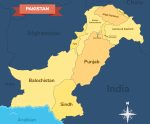
Excerpt: This post answers the questions “What is the national musical instrument of Pakistan? What is Pakistan’s national instrument? What is the name of national musical instrument of Pakistan?”
Music has always been a powerful medium to express emotions, convey cultural narratives, and bring people together. Different regions and countries have their unique musical traditions and instruments that reflect their heritage and identity. Pakistan, with its rich and diverse cultural tapestry, is no exception. In this blog post, we will explore the national musical instrument of Pakistan, examining its characteristics, history, and cultural significance.
What is the national musical instrument of Pakistan?
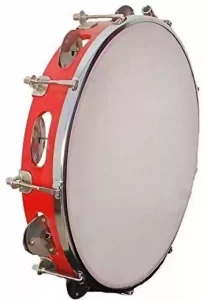
The national musical instrument of Pakistan is the Daf. The Daf is a traditional percussion instrument that holds a special place in Pakistani music and culture. It is also called as Riq. It is a Middle Eastern instrument used both in popular and classical music in South and Central Asia. Traditionally it has a round wooden frame with jingles and a thin, translucent head made usually of goat-skin. This large frame drum is known for its rhythmic versatility and deep, resonant sound, which can evoke a wide range of emotions and atmospheres.
Characteristics of the Daf
The Daf is a circular frame drum made from a wooden frame, typically covered with goat or fish skin on one side. The frame is often adorned with metal rings or jingles, which produce a distinct sound when the drum is played. The size of the Daf can vary, but it is generally quite large, with a diameter ranging from 20 to 28 inches.
The sound of the Daf is produced by striking the drumhead with the hands, fingers, or a mallet. The instrument is capable of producing a variety of sounds, from deep, booming tones to sharp, rhythmic beats. The metal rings or jingles add a unique texture to the sound, creating a rich and dynamic musical experience.
History and Origins of the Daf
The Daf has a long and storied history that dates back thousands of years. It is believed to have originated in ancient Persia and spread to various regions, including the Middle East, Central Asia, and the Indian subcontinent. The Daf has been used in a wide range of musical traditions, from classical and folk music to religious and ceremonial performances.
In Pakistan, the Daf has been embraced as a symbol of the country’s musical heritage. The instrument is particularly popular in Sufi music, where it is used to accompany devotional songs and dances. The rhythmic patterns played on the Daf are believed to induce a trance-like state, allowing performers and listeners to connect with the divine.
Cultural and Musical Significance
The Daf holds a special place in Pakistani culture and music. It is often used in traditional folk music, where it accompanies songs and dances that celebrate various aspects of life, from harvest festivals to weddings. The instrument’s rhythmic versatility makes it an essential component of Pakistani musical ensembles, adding depth and richness to the overall sound.
In addition to its role in folk music, the Daf is also a prominent feature in Sufi music and Qawwali performances. Sufi music is a spiritual genre that seeks to transcend the physical world and connect with the divine. The daf‘s deep, resonant tones and rhythmic patterns play a crucial role in creating the meditative and ecstatic atmosphere that is characteristic of Sufi performances.
The Daf is also used in various religious and cultural ceremonies in Pakistan. It is often played during celebrations and gatherings, where it brings people together and fosters a sense of community and unity. The instrument’s powerful sound and rhythmic energy create an atmosphere of joy and reverence, making it an integral part of Pakistani cultural traditions.
Learning and Playing the Daf
Learning to play the Daf requires practice, dedication, and a deep appreciation for the instrument’s cultural significance. Aspiring musicians often seek guidance from experienced Daf players, who pass down their knowledge and techniques through hands-on instruction and oral traditions.
The process of learning the Daf involves mastering various playing techniques, such as striking the drumhead with different parts of the hand and creating rhythmic patterns with the metal rings or jingles. Musicians also learn to play traditional rhythms and compositions, which are essential components of the Daf‘s musical repertoire.
The art of Daf making is another important aspect of preserving the instrument’s legacy. Skilled craftsmen in Pakistan continue to create Dafs using traditional methods and materials, ensuring that the instrument’s rich sound and cultural heritage are maintained for future generations.
Contemporary Influence and Global Reach
The Daf‘s influence extends beyond Pakistan’s borders, with the instrument gaining recognition and appreciation on the global stage. Many renowned musicians and ensembles from around the world have incorporated the Daf into their performances, showcasing its unique sound and versatility.
The Daf has also been featured in various international music festivals, recordings, and collaborations, where it continues to captivate audiences with its enchanting rhythms and tones. The instrument’s global reach has helped to raise awareness about Pakistan’s rich musical heritage and the cultural significance of the Daf.
In conclusion, the Daf, with its deep, resonant tones and rich cultural heritage, stands as the national musical instrument of Pakistan. This traditional frame drum is a symbol of the country’s musical identity and has played a significant role in shaping Pakistan’s cultural and artistic landscape. The Daf‘s history, characteristics, and significance make it a cherished and celebrated part of Pakistan’s musical traditions. As musicians and craftsmen continue to preserve and promote the Daf, its legacy will endure, inspiring future generations and bringing the beauty of Pakistani music to the world.
Source: To ensure the accuracy and authenticity of the information provided, the following sources were referenced:
- National Symbols of Pakistan – Wikipedia