

Excerpt: This post answers the questions “What is the national flower of Pakistan? What is Pakistan’s national flower? What is the name of national flower of Pakistan? Which is the national flower of Pakistan? What is the national plant of Pakistan?”
Flowers are often symbolic representations of a nation’s culture, beauty, and heritage. They hold special meanings and play significant roles in various ceremonies, traditions, and celebrations. In this blog post, we will explore the national flower of Pakistan, delving into its characteristics, significance, and role in the country’s cultural and natural landscape.
What is the national flower of Pakistan?
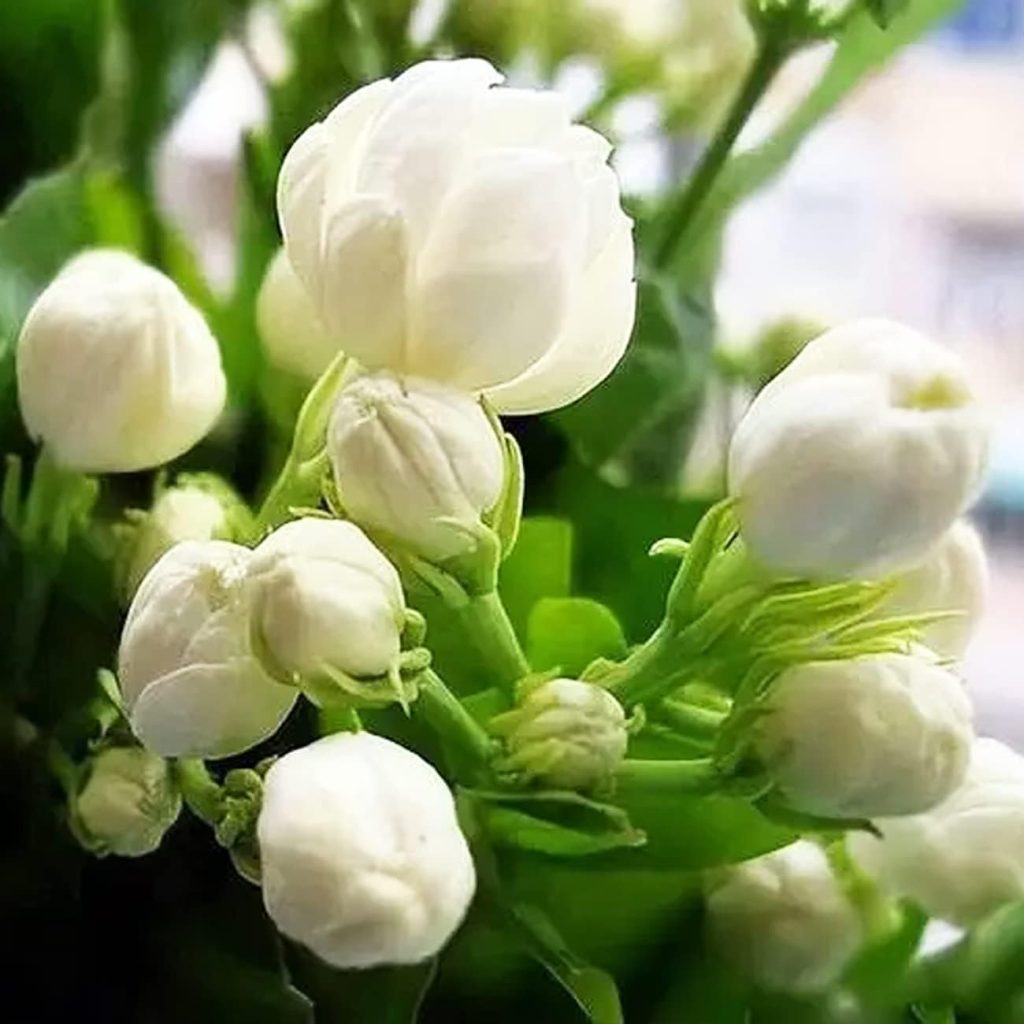
The national flower of Pakistan is the Jasmine (چنبیلی). Known for its delicate white petals and enchanting fragrance, the Jasmine, also called Chambeli or Yasmin (GIFT FROM GOD) in Urdu, is a symbol of purity, simplicity, and modesty. Locally it is called Motia. This beautiful flower holds a special place in the hearts of Pakistanis and is widely celebrated for its elegance and cultural importance.
Characteristics of the Jasmine
The Jasmine plant is a flowering shrub or vine that belongs to the genus Jasminum. It is characterized by its small, star-shaped flowers that usually bloom in clusters. The flowers are predominantly white, although some species can be yellow. The plant’s leaves are typically dark green and glossy, providing a striking contrast to the bright white blossoms.
One of the most remarkable features of the Jasmine is its captivating fragrance. The flowers emit a sweet, pleasing scent that becomes more pronounced during the evening and night, attracting pollinators such as bees and butterflies. This enchanting aroma makes Jasmine a popular choice for gardens, perfumes, and traditional ceremonies.
Habitat and Distribution
Jasmine is a versatile plant that thrives in a variety of climates and soil conditions. It is native to tropical and subtropical regions and can be found growing abundantly in Pakistan, particularly in the warmer parts of the country. The plant prefers well-drained soil and plenty of sunlight, making it well-suited to Pakistan’s diverse climate.
In Pakistan, Jasmine can be seen adorning gardens, parks, and homes, adding beauty and fragrance to the surroundings. The plant is also commonly grown in pots and containers, making it a popular choice for urban gardens and balconies.
Cultural and Historical Significance
Jasmine holds a special place in the cultural and historical heritage of Pakistan. It is often associated with purity, love, and beauty, and is commonly used in various traditional ceremonies and celebrations. The flower’s delicate appearance and sweet fragrance make it a popular choice for weddings, where it is used to adorn bridal garlands, floral arrangements, and decorative elements.
In addition to its use in weddings, Jasmine is also an integral part of religious and cultural festivals in Pakistan. The flower is often used in garlands and offerings during religious ceremonies and is believed to bring blessings and good fortune.
The significance of Jasmine extends beyond its cultural and ceremonial uses. The flower is also a symbol of national pride and identity. It is featured in various forms of art, literature, and poetry, where it represents the beauty and resilience of the Pakistani people.
Medicinal and Economic Importance
Jasmine is not only valued for its beauty and fragrance but also for its medicinal properties. The plant has been used in traditional medicine for centuries, particularly in South Asia. Jasmine flowers and leaves are known for their anti-inflammatory, antiseptic, and soothing properties. They are often used to treat skin conditions, respiratory issues, and anxiety.
The essential oil extracted from Jasmine flowers is highly prized in the perfume industry. The oil, known for its rich and exotic fragrance, is used in high-end perfumes, cosmetics, and aromatherapy products. Jasmine tea, made from the dried flowers, is also popular for its calming effects and health benefits.
In Pakistan, Jasmine cultivation and trade contribute to the local economy. The flower is grown commercially for its essential oil, which is exported to various countries. Jasmine plants and flowers are also sold in local markets, providing income to small-scale farmers and gardeners.
Conservation and Preservation
While Jasmine is a resilient and adaptable plant, it faces challenges due to habitat loss, pollution, and climate change. Efforts are being made to conserve and preserve this national treasure, ensuring that future generations can continue to enjoy its beauty and benefits.
Various organizations and government agencies in Pakistan are working to promote sustainable cultivation practices and protect natural habitats. Public awareness campaigns and educational programs are also being conducted to highlight the importance of conserving Jasmine and other native plant species.
In conclusion, the Jasmine, with its delicate white petals and enchanting fragrance, stands as the national flower of Pakistan. This beautiful flower symbolizes purity, simplicity, and cultural heritage, playing a significant role in the country’s traditions and celebrations. Its captivating aroma, medicinal properties, and economic value further enhance its importance to Pakistan. The conservation and preservation of Jasmine are essential to maintaining the nation’s natural beauty and cultural identity. By appreciating and protecting this national treasure, Pakistan can continue to celebrate the elegance and significance of Jasmine for generations to come.
Source: To ensure the accuracy and authenticity of the information provided, the following sources were referenced:
- National Symbols of Pakistan – Wikipedia

