

Excerpt: This post answers the questions “What is the national color of Pakistan? What is Pakistan’s national color? What are the national colors of Pakistan?”
Colors play a crucial role in representing the identity and culture of a nation. They are often imbued with deep symbolism and historical significance, reflecting the values and aspirations of the people. National colors, in particular, serve as powerful symbols of unity and pride, evoking a sense of belonging and patriotism. For Pakistan, a country with a rich cultural heritage and diverse traditions, its national color holds a special place in the hearts of its citizens.
What is the National Color of Pakistan?
The Symbolic Significance of the Color
The national color of Pakistan is green. This vibrant and refreshing hue is not only visually striking but also holds profound symbolic meaning. Green is often associated with nature, growth, and prosperity. It signifies renewal and harmony, reflecting Pakistan’s aspirations for a peaceful and prosperous future.
Green is also deeply rooted in Islamic culture, which plays a significant role in Pakistan’s national identity. In Islamic tradition, green is considered a sacred color, symbolizing paradise, peace, and spirituality. It is often used in Islamic art and architecture, further emphasizing its cultural and religious importance.
The Role of Green in Pakistan’s Flag
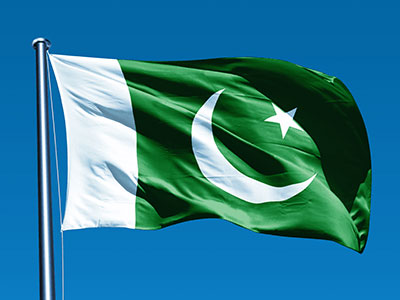
The national flag of Pakistan prominently features the color green, making it a central element of the country’s identity. The flag consists of a green field with a white vertical stripe on the hoist side. In the center of the green field is a white crescent moon and a five-pointed star. The green color represents the Muslim majority in Pakistan, while the white stripe symbolizes religious minorities and the desire for peace and harmony among all citizens.
The crescent moon and star are also significant symbols in Islamic culture. The crescent moon represents progress and the waxing moon, while the star symbolizes light and knowledge. Together, these elements convey Pakistan’s commitment to progress, enlightenment, and unity.
Green in Pakistan’s Natural Landscape
Green is not only a symbolic color in Pakistan but also a reflection of the country’s natural beauty. Pakistan boasts diverse landscapes, ranging from lush green valleys and fertile plains to majestic mountains and serene forests. The green fields of Punjab, the terraced hillsides of Swat Valley, and the picturesque meadows of Kashmir are just a few examples of the country’s verdant beauty.
These green landscapes are a testament to Pakistan’s agricultural richness and biodiversity. The fertile soil supports a wide range of crops, including wheat, rice, and cotton, which are essential to the country’s economy. The abundance of green spaces also provides habitats for various wildlife species, contributing to the overall ecological balance.
Cultural and Historical Context
Green holds significant cultural and historical importance in Pakistan. It is often used in traditional attire, festivals, and celebrations, reflecting the country’s heritage and values. During national events, such as Independence Day and Republic Day, the streets and homes are adorned with green flags, lights, and decorations, creating a festive and patriotic atmosphere.
The use of green in Pakistan’s cultural practices is not limited to national events. It is also a common color in everyday life, from clothing and textiles to architecture and art. Green is often seen in the intricate patterns of traditional Pakistani clothing, such as shalwar kameez and sarees, as well as in the vibrant designs of carpets and pottery.
The Importance of Green in Religious Practices
As a predominantly Muslim country, Pakistan places great importance on Islamic traditions and practices. Green is a color that holds special significance in Islam and is often associated with the Prophet Muhammad (peace be upon him). It is believed that the Prophet’s favorite color was green, and it is often used in religious contexts, such as mosque decorations and Islamic calligraphy.
During religious festivals, such as Eid-ul-Fitr and Eid-ul-Adha, green is a prominent color in decorations and attire. It is also used in religious processions, where people carry green flags and banners to symbolize their faith and devotion.
Green in Modern Pakistan
In contemporary Pakistan, green continues to be a powerful symbol of national pride and unity. It is embraced by people of all ages and backgrounds, serving as a reminder of the country’s heritage and aspirations. Green is prominently featured in national monuments, government buildings, and educational institutions, reinforcing its importance in the collective consciousness of the nation.
The color green is also used in various forms of media and entertainment, including films, music, and literature. It is a recurring theme in patriotic songs and poetry, celebrating Pakistan’s natural beauty and cultural richness. Green is a color that resonates with the people of Pakistan, evoking a sense of belonging and pride in their national identity.
The national color of Pakistan, green, is a symbol of the country’s heritage, culture, and aspirations. It represents growth, prosperity, and harmony, reflecting the values that Pakistan holds dear. Green is deeply rooted in Islamic tradition and is prominently featured in the national flag, cultural practices, and natural landscapes. As Pakistan continues to evolve and progress, the color green remains a powerful reminder of the nation’s unity, strength, and enduring spirit.
Source: To ensure the accuracy and authenticity of the information provided, the following sources were referenced:
- National Symbols of Pakistan – Wikipedia

