
Excerpt: This post answers the questions “What is the national coat of arms of Pakistan? What is Pakistan’s national coat of arms? What is the state emblem of Pakistan?”
Nestled between the majestic peaks of the Himalayas and the vast expanse of the Arabian Sea lies a country steeped in history, culture, and tradition. This country, with its diverse landscapes and rich heritage, holds a special emblem that represents its identity and values. This emblem is not just a symbol but a testament to the nation’s journey and aspirations.
What is the National Coat of Arms of Pakistan?
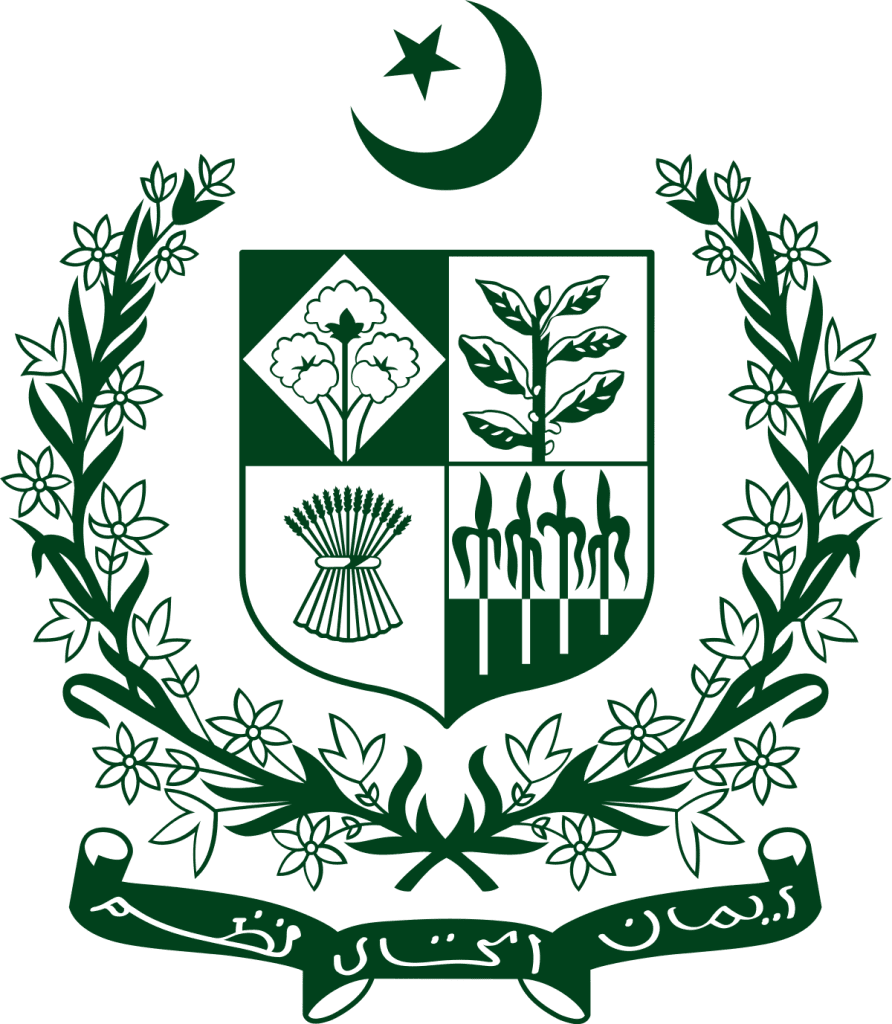
The national coat of arms of Pakistan is a powerful symbol that encapsulates the essence of the nation. Adopted shortly after the country gained independence, this emblem is a visual representation of Pakistan’s ideals, ambitions, and cultural heritage. It serves as a reminder of the country’s past struggles, present achievements, and future aspirations.
Historical Background
The coat of arms of Pakistan was officially adopted in 1954. This date is significant as it marks the Republic Day of Pakistan, a day when the country transitioned from a Dominion to a Republic. The emblem was carefully designed to reflect the core values and cultural elements that define the Pakistani nation.
Design and Symbolism
The national coat of arms of Pakistan is a meticulously crafted emblem, rich in symbolism and meaning. Each element within the emblem has been thoughtfully chosen to represent specific aspects of the country’s identity.
- Shield: At the heart of the coat of arms is a green shield, divided into four sections. The color green is deeply associated with Islam, the majority religion in Pakistan, and symbolizes peace and prosperity. The four sections of the shield contain important symbols:
- Cotton Plant: Representing the country’s agricultural heritage and its significance to the economy.
- Tea Plant: Symbolizing the agricultural sector and the importance of cash crops.
- Wheat Plant: Reflecting the staple food and the agrarian backbone of Pakistan.
- Jute Plant: Highlighting the importance of jute in the country’s agricultural and industrial sectors.
- Crescent and Star: Above the shield, there is a white crescent and a five-pointed star, which are iconic symbols of Islam. The crescent represents progress, while the star signifies light and knowledge. Together, they emphasize the guiding principles of the nation.
- Wreath: Surrounding the shield is a wreath of flowers, specifically the Jasmine, which is the national flower of Pakistan. The wreath symbolizes the beauty and cultural richness of the country, as well as the resilience and unity of its people.
- Scroll with Motto: Below the shield, there is a scroll that bears the national motto of Pakistan in Urdu: “ایمان ، اتحاد ، نظم” (Faith, Unity, Discipline). These three words encapsulate the guiding principles upon which the nation was founded and continue to be its moral compass.
Significance
The national coat of arms of Pakistan is not just an emblem but a reflection of the country’s identity. It serves as a source of pride and inspiration for the people of Pakistan. The emblem is prominently displayed on official documents, government buildings, and currency, reinforcing its importance in the daily lives of the citizens.
Contemporary Relevance
In today’s rapidly changing world, the national coat of arms continues to hold immense relevance. It reminds the citizens of their shared heritage and collective aspirations. It is a symbol that unites the diverse population of Pakistan, fostering a sense of national pride and belonging.
The national coat of arms of Pakistan is a powerful and evocative symbol that represents the country’s rich cultural heritage, values, and aspirations. Through its intricate design and profound symbolism, it tells the story of a nation that has overcome challenges and continues to strive for a brighter future. As Pakistan moves forward, this emblem will remain a steadfast reminder of the nation’s identity and the principles that guide it.
Source: To ensure the accuracy and authenticity of the information provided, the following sources were referenced:
- National Symbols of Pakistan – Wikipedia