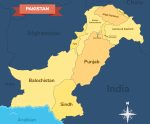
Excerpt: This post answers the questions “What is the national aquatic marine mammal of Pakistan? What is Pakistan’s national aquatic marine mammal? What is the name of national aquatic marine mammal of Pakistan? Which is Pakistan’s national aquatic marine mammal? Which is the national mammal animal of Pakistan?”
Pakistan, a land of diverse landscapes, is home to a myriad of species that thrive in its unique ecosystems. From the majestic mountains in the north to the vast deserts in the south, the country boasts a rich biodiversity. Amidst this natural bounty, one remarkable aquatic mammal stands out as a symbol of Pakistan’s commitment to preserving its natural heritage. This elusive creature, inhabiting the waters of the Indus River, plays a crucial role in maintaining the balance of its aquatic ecosystem.
What is the national aquatic marine mammal of Pakistan?
The National Aquatic Marine Mammal of Pakistan
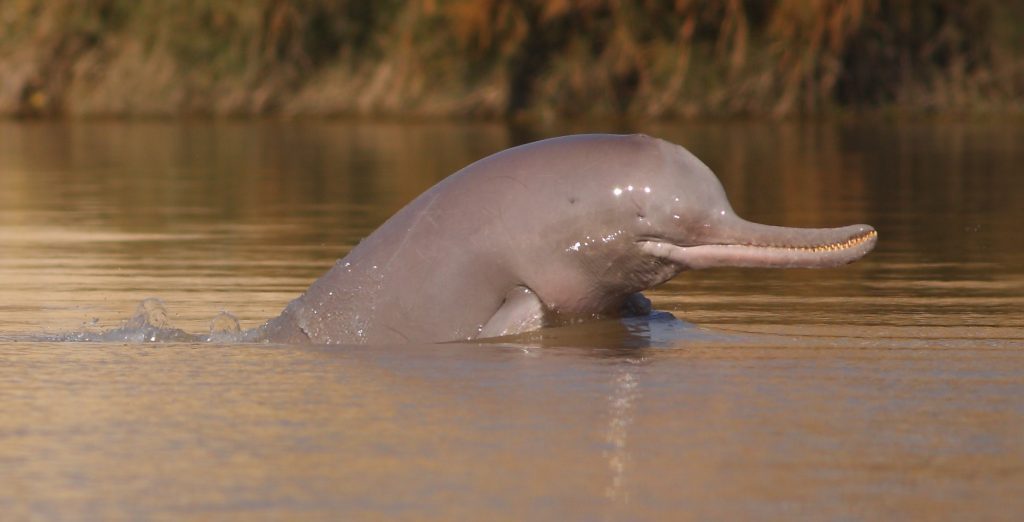
The national aquatic marine mammal of Pakistan is the Indus River dolphin (Platanista gangetica minor), commonly known as the Bhulan. This extraordinary creature is one of the few freshwater dolphins in the world and holds a special place in Pakistan’s natural history.
Physical Appearance
The Indus River dolphin is easily distinguishable by its unique appearance. It has a long, slender snout that curves slightly upward, giving it a distinct profile. The dolphin’s body is sleek and streamlined, covered in smooth, grayish-brown skin. Unlike most dolphins, the Indus River dolphin is nearly blind and relies on echolocation to navigate and hunt for prey. Its small, beady eyes and pronounced forehead further add to its distinctive look.
Habitat and Distribution
Indus River dolphins are found exclusively in the freshwater river systems of the Indus River in Pakistan. Their habitat stretches across several regions, including the Sindh and Punjab provinces. These dolphins prefer the deeper channels of the river, where the water flow is steady, and there is ample prey to sustain them. They are highly adapted to living in the river’s murky waters, where visibility is limited.
Diet and Hunting Behavior
As opportunistic feeders, Indus River dolphins have a varied diet that includes fish, crustaceans, and other small aquatic organisms. Their reliance on echolocation allows them to detect prey even in the turbid waters of the Indus River. By emitting a series of clicks and listening for the returning echoes, these dolphins can accurately locate and capture their prey. They are solitary hunters, often foraging alone or in small groups.
Conservation Status
The Indus River dolphin is classified as endangered by the International Union for Conservation of Nature (IUCN). Several factors contribute to their declining population, including habitat degradation, water pollution, and water extraction for agriculture. Additionally, accidental entanglement in fishing nets poses a significant threat to their survival. Efforts to protect and conserve these dolphins are critical to ensuring their continued existence.
Conservation Initiatives
In recent years, Pakistan has implemented various conservation initiatives to safeguard the Indus River dolphin population. The Indus Dolphin Reserve, established in 1974, is a protected area that spans a significant portion of the dolphins’ habitat. This reserve aims to provide a safe environment for the dolphins, free from human interference. Additionally, organizations such as the World Wildlife Fund (WWF) and the Pakistan Wetlands Program are actively involved in conservation efforts, including monitoring dolphin populations, raising awareness, and promoting sustainable fishing practices.
Cultural Significance
The Indus River dolphin holds a special place in the cultural and spiritual heritage of the communities living along the Indus River. Known as the “Bhulan” in local languages, this dolphin is often regarded as a symbol of resilience and adaptability. Local folklore and traditions are rich with stories and legends about the Bhulan, highlighting its importance in the region’s cultural fabric.
The Role of Local Communities
Successful conservation of the Indus River dolphin requires the active involvement of local communities. Community-based conservation programs, eco-tourism initiatives, and educational campaigns play a vital role in raising awareness about the dolphins’ plight and fostering a sense of stewardship among the local population. By engaging communities in conservation efforts, these initiatives help create a harmonious coexistence between humans and wildlife.
The Indus River dolphin, as the national aquatic marine mammal of Pakistan, symbolizes the country’s dedication to preserving its unique natural heritage. This remarkable and endangered creature, inhabiting the waters of the Indus River, serves as a reminder of the importance of conservation efforts. By protecting the Indus River dolphin, Pakistan is not only safeguarding an iconic species but also ensuring the health and vitality of its freshwater ecosystems for future generations.
Source: To ensure the accuracy and authenticity of the information provided, the following sources were referenced:
- National Symbols of Pakistan – Wikipedia
- National Marine Mammal Foundation